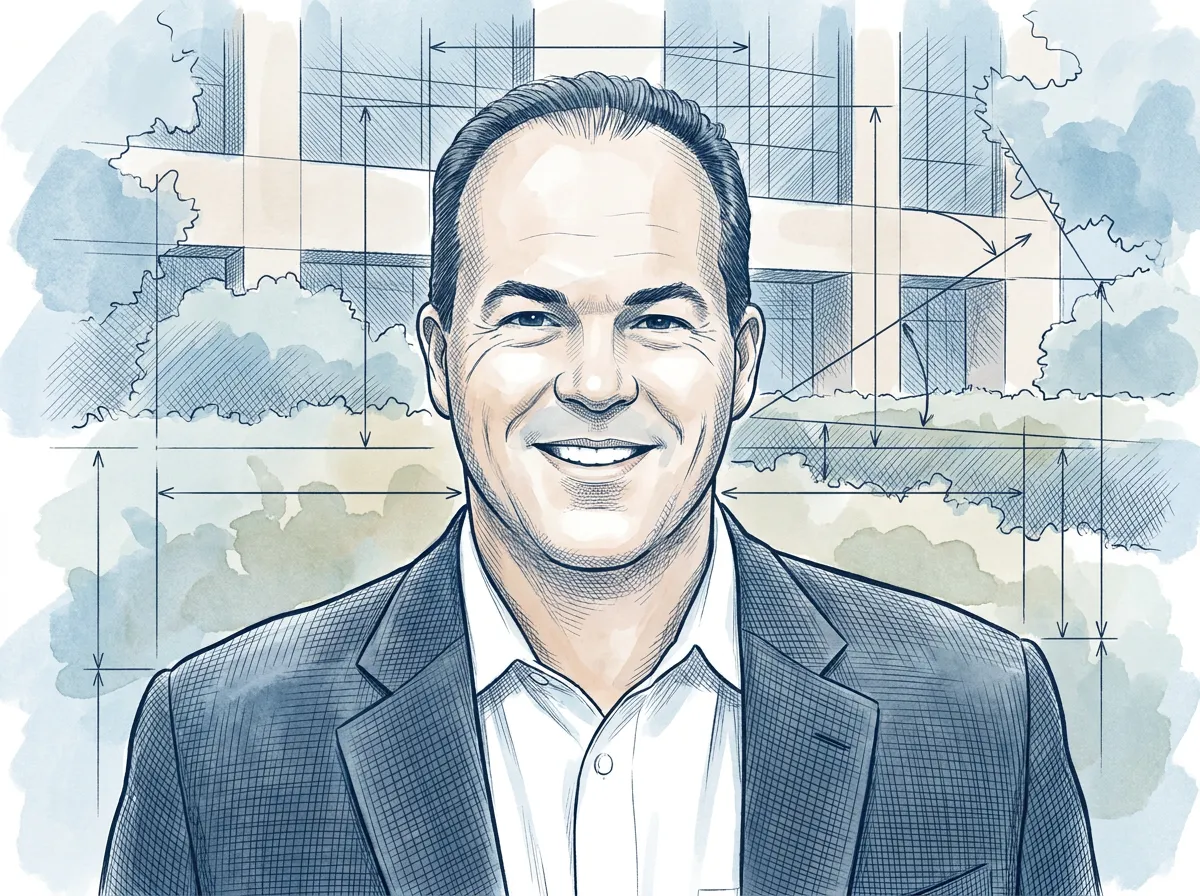
Most families don’t start thinking about senior living until they have to. By then, the decisions feel urgent, the options feel overwhelming, and it’s hard to know what actually separates a community worth trusting from one that just photographs well. Shawn Tacey, CEO of Vineyard Park Senior Living, has spent more than 15 years inside the operational and legal infrastructure of senior care — and what he’s learned about how communities are built, staffed, and sustained offers a clearer lens for families trying to get this decision right.
Design Signals Intention
When a senior living community is designed with care in mind from the beginning, it shows — and when it isn’t, that shows too. This is especially true in memory care, where the stakes of poor design are highest. Dementia and Alzheimer’s care isn’t a service that can be layered onto a standard assisted living floor plan after the fact. The layout, the flow, the sensory environment — these have to be thought through before construction begins, because they directly shape how residents with cognitive decline experience safety, orientation, and daily life. The best operators treat design as a care decision, not an aesthetic one.
That distinction matters, though it’s worth keeping in perspective. Newer architectural innovations in memory care, like sensory-friendly environments, reduced-disorientation layouts, and thoughtful common spaces, can meaningfully enhance quality of life for residents with cognitive decline, and they’re worth asking about on any visit. But purpose-built design isn’t the be-all and end-all of what makes a community worth trusting. Many established communities have adapted their spaces thoughtfully over time and deliver exceptional care within buildings that weren’t originally designed with memory care in mind. Design is one useful signal among several — what it reveals is how a community thinks about residents. The fuller picture only emerges when you layer it alongside staffing, culture, financial transparency, and the quality of communication you experience from the very first conversation.
Culture Outlasts Marketing
A senior living community can look exceptional on a website and feel entirely different in person. The gap between the two usually comes down to culture — the values and behaviors that persist when no one is being evaluated. For families, this is one of the hardest things to assess and one of the highest-stakes. A well-marketed community with weak internal culture will eventually show it, often at the moments that matter most: a health decline, a staffing shortage, an unexpected transition. What holds a community together under that kind of pressure isn’t branding. It’s whether the people working there feel connected to the work and supported in doing it well.
That connection also shows up in operational discipline — the kind that is easy to overlook but matters enormously over time. Managing labor carefully, tracking schedules precisely, making sure frontline staff feel supported enough to stay — these aren’t back-office concerns. They affect whether a resident sees familiar faces, whether care routines stay consistent, and whether the community is financially stable enough to keep improving rather than cutting. When you visit, notice whether staff seem to know residents by name and whether they talk about their work like it means something. Longevity and engagement at the staff level are among the most reliable indicators of a community worth trusting.
Affordability Shapes Options
One of the least discussed realities of senior living is that price and quality don’t always move in the same direction — but access does. What a family can afford shapes not just where a loved one lives, but what kind of care is available to them and for how long. The senior living industry has historically skewed toward higher-income residents, and that gap is expected to widen. Earlier baby boomers, who had more time to benefit from market gains and financial preparation, are generally better positioned. Those aging through later in the decade have had less runway, and the financial security of that cohort is meaningfully different. Families who begin the search before a crisis forces the timeline will find more options, more flexibility, and more room to make a decision that actually fits.
Understanding the financial structure of a community before committing to it is equally important. Some communities operate across multiple price points, including options for residents who rely on Medicaid, while others serve only private-pay residents and offer little flexibility if financial circumstances change. Asking directly how a community handles a resident whose funds are depleted is an uncomfortable question — and an essential one. The answer reveals whether a community is built around long-term relationships or short-term transactions, and few things will matter more if a loved one’s needs or finances shift over time.
Slow Decisions, Better Outcomes
The instinct when facing a senior living decision under pressure is to move quickly — to find something available, get a loved one settled, and exhale. That instinct is understandable, but the pattern that emerges among families who take more time tells a different story. Those who visit multiple communities, ask harder questions, and return more than once before deciding tend to find better fits — and their loved ones transition more successfully and stay longer. Families who move quickly, by contrast, often face complications or shorter stays. The research process, when treated as preparation rather than inconvenience, is part of what makes the eventual move work.
That timeline is complicated by the fact that many of the people making these decisions aren’t local. Adult children coordinating care from different states are navigating the process with limited firsthand access, relying on phone calls, virtual tours, and secondhand impressions. That makes the quality of a community’s communication during the inquiry process a meaningful signal in itself. How a community responds when you’re still just asking questions — how thorough, how patient, how honest — reflects how it will respond when you’re a resident’s family and something goes wrong. The sales process, in other words, is a preview. Treat it like one.
About the Expert: Shawn Tacey is CEO of Vineyard Park Senior Living, with more than 15 years of experience in the operational and legal infrastructure of senior care. His focus is on senior living community development, operations, and care delivery across the assisted living and memory care segments.
This article is based on information provided by the expert source cited above. It is intended for general informational purposes only and does not constitute legal, financial, or real estate advice. Readers should conduct their own research and consult qualified professionals before making any real estate or financial decisions.