

Home purchases in Denver are increasingly collapsing just before closing, as buyers lose jobs in sectors once considered stable. This pattern is shifting the main barrier to homeownership fr...

First-Floor Primary Suites Take Center Stage as Accessibility Features Drive Mainstream Buyer Demand

Written by:
Date:
05 Jan 2026
Share via Facebook

Share via Linkedin

Share via X

Copy to clipboard

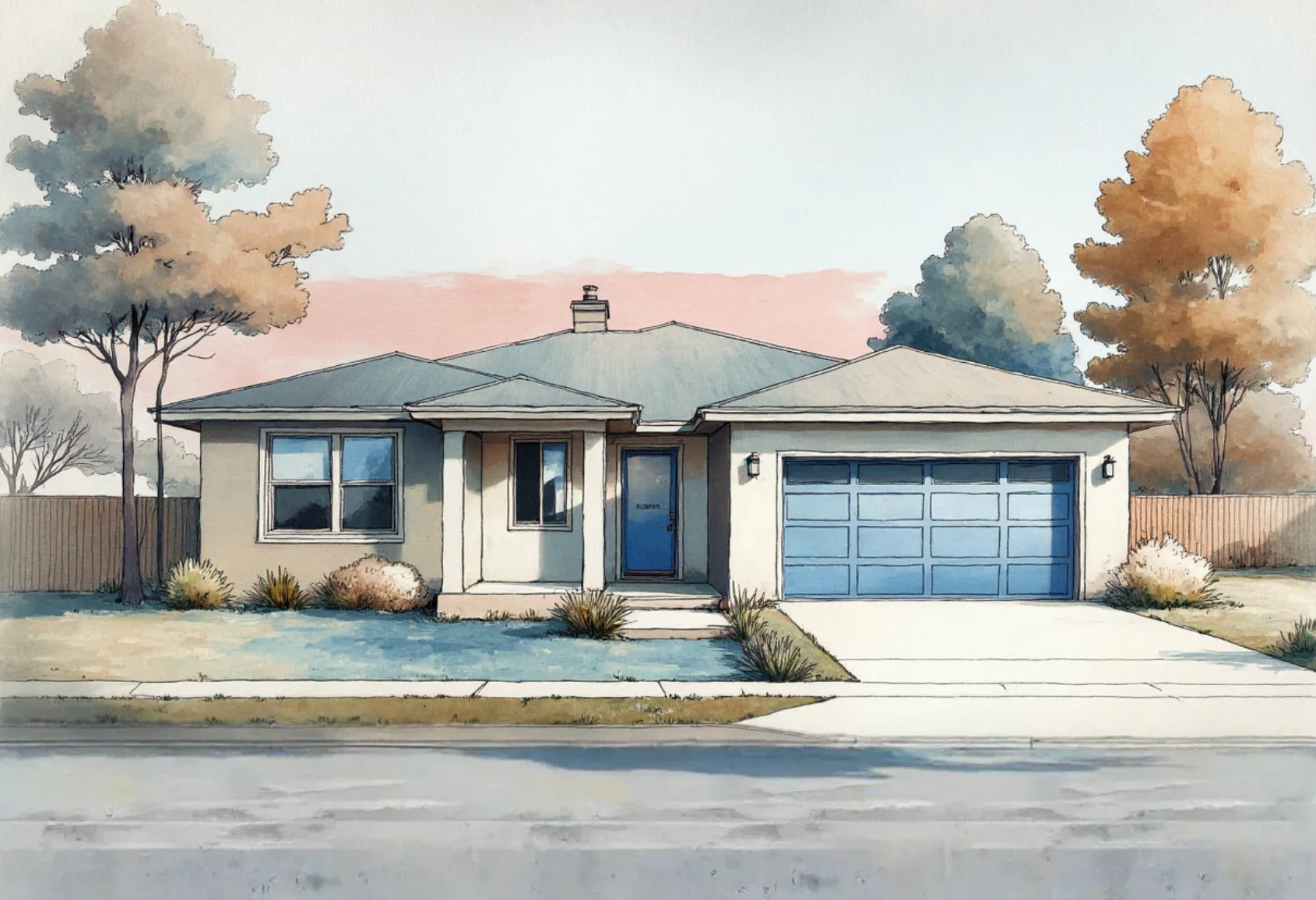
Buyer preferences are changing rapidly in residential real estate, with first-floor primary suites—bedroom, bathroom, and closet space located on the main level—now driving demand among multiple buyer segments. Sarah Peters, Team Leader at eXp Luxury Realty, says these features have moved beyond their origins as accessibility accommodations to become mainstream selling points that influence pricing and marketability.
“Any home that is either a ranch or has a first-floor primary suite—a bedroom, bathroom, and closet space on the first floor—is very, very appealing for a lot of different people,” Peters says. “They appeal to first-time home buyers, but really a lot of the baby boomers who are attracted to that first-floor lifestyle at this phase in their lives—those are really popular properties.”
Cross-Generational Demand for Accessibility
Peters’ experience shows that accessibility-driven design is no longer limited to older buyers. Her team, which closed 76 transactions totaling over $50 million in 2025, has observed that first-floor primary suites have attracted strong interest from both young first-time buyers and baby boomers.
This broad appeal challenges traditional assumptions about who values single-story living. Younger buyers in their twenties and thirties are expressing the same interest in easy-access primary bedrooms as retirees planning for aging in place. Peters attributes this to practical lifestyle advantages: “We’re seeing major trends with baby boomers right now,” she notes, “but it’s not just about age. Avoiding stairs with groceries or laundry, or just having daily routines made easier, appeals to everyone.”
Impact on Pricing and Market Performance
The demand for first-floor primary suites is strong enough to directly affect pricing and days on market. In Bucks County, Pennsylvania, where Peters’ team operates, homes with these layouts are selling faster and often at higher prices than similar properties with primary bedrooms upstairs.
“We’re able to educate our sellers by saying, here’s the national trends that don’t really apply to us. Here’s the hyper-local trends that apply within three miles of your property or even within your neighborhood,” Peters explains. “Because of the amount of sales we do, we really can predict buyer behavior going into a weekend.”
With transaction volume placing her team in the top 1% locally, Peters says they see clear evidence that homes with first-floor primary suites generate more interest during their first weekend on the market and typically sell more quickly. This pattern informs the advice her team provides to sellers on renovations and pricing.
Renovation Considerations for Sellers
For homeowners without a first-floor primary suite, the question is whether to invest in adding one or adjust expectations on price and market time. Peters says most luxury sellers budget 1–2% of the purchase price for pre-market upgrades, but some go much further.
She cites a recent example: “We had a seller last year choose to remove the stucco off of their property because sometimes that’s an issue in our area, and they chose to replace it with Hardy board siding. Most people don’t go that far.”
Adding a first-floor primary suite is a much larger project than cosmetic updates like refinishing floors or updating bathrooms. Construction costs and space requirements can be significant, but in specific price ranges and neighborhoods, Peters says the faster sales and higher prices may justify the investment.
Design Implications for Builders and Existing Homes
The growing popularity of first-floor primary suites has implications beyond individual sales. If this feature is now a mainstream preference, traditional two-story layouts—especially the colonial styles common in suburban developments—may lose resale appeal over time.
Builders and architects may need to update standard floor plans to include main-level primary suites in new construction. At the same time, existing homes without this feature could face longer market times or require deeper price cuts, especially as buyers become more selective.
Peters’ team addresses this by helping buyers find properties that fit their needs and budgets. “There are parts of northern Bucks County and southern Bucks County where pricing tends to be more affordable,” she says. “We’re able to find communities that are a little up and coming, that almost replicate some of the quaintness and the proximity, but are still within reach.”
Is the Trend Temporary or Permanent?
It remains to be seen whether the demand for first-floor primary suites reflects a lasting shift or a temporary response to current demographics. However, Peters believes the appeal is broad enough to suggest a long-term change in how buyers evaluate home layouts.
For real estate professionals, this trend highlights the need to distinguish between merely attractive features and those that give a home a clear market advantage. Peters’ team’s high transaction volume supports their claim that recognizing and acting on these shifts early can lead to better outcomes for sellers.
Looking Ahead: Industry Implications
The broader question is whether other markets are experiencing similar trends and if the premium for first-floor primary suites will persist as interest rates fall and inventory levels rise in 2026. For now, the evidence in Bucks County suggests buyers are willing to pay more and move quickly for homes that offer main-level living.
Agents and sellers who adapt to these preferences—by either marketing existing first-floor primary suites or considering renovations—stand to benefit in a competitive landscape. As buyer expectations continue to evolve, understanding which design features matter most will remain critical for success in residential real estate.
Similar Articles
Explore similar articles from Our Team of Experts.