Indiantown has halted new development after determining its aging water system has reached full capacity, even as residential builders propose projects that could significantly expand the c...

Why Timeless Design Is Risk Management, Not Aesthetics

Written by:
Date:
31 Dec 2025
Share via Facebook

Share via Linkedin

Share via X

Copy to clipboard

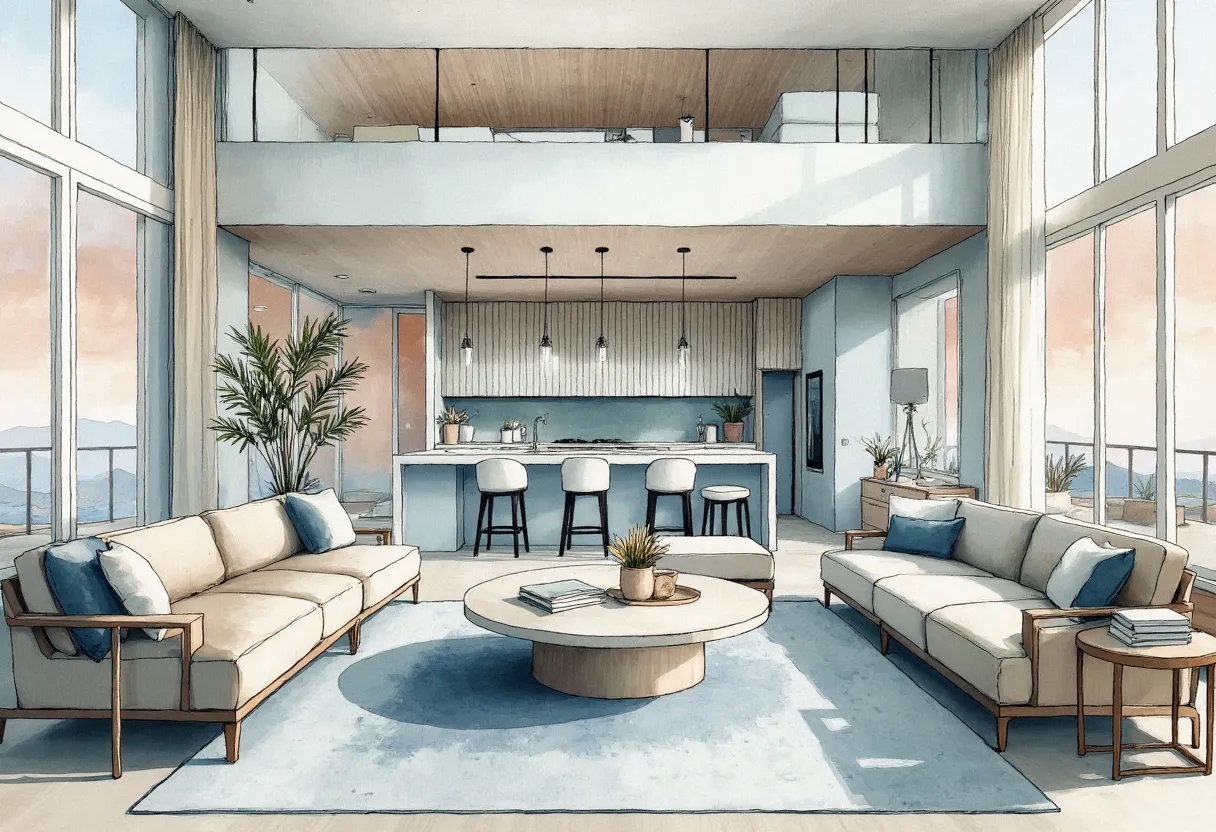
RAL Companies president Spencer Levine says that avoiding trend-driven design is now a critical survival strategy for developers, as project timelines grow longer and market cycles become less predictable.
Real estate development faces a timing challenge that most in the industry avoid discussing, according to Levine. Projects that take three to five years from conception to delivery are almost sure to encounter different market conditions by the time they are completed. Developers who rely on current design trends risk ending up with inventory that no longer fits buyer preferences when the project finally hits the market.
“Delivering really quality, timeless design is essential to the success of any project,” Levine says. “You might not make the profits that you thought you were going to make in the end, but you’ll be able to move those units because you haven’t done something that is just pigeonholed into a time period.”
Levine credits this philosophy to his father, Robert Levine, the company’s founder, who established RAL Companies 45 years ago. The firm treats design durability as a core risk management tactic, not just a matter of taste.
The Industrial Design Trap
Levine points to specific pitfalls in following design trends. “Industrial was so prominent at a certain point,” he notes. “We’ll do hints of it, and we’ll do the essence of it, but we’re not going to do something that in three years is going to look dated.”
For Levine, resisting trends is not about being conservative in design, but about recognizing the unpredictability of development economics. When a project encounters a market downturn or a shift in buyer taste during construction or pre-sale, the ability to sell units at all becomes more important than aiming for maximum prices.
This approach is especially relevant for luxury residential and hospitality projects, which often have the most extended development timelines and are most sensitive to market changes. Levine says RAL’s experience, from affordable housing to high-end condominiums in Brooklyn, has reinforced the importance of design durability across all market segments.
“We’re developing projects to live with them,” Levine explains. “Even if it’s a condominium we’re selling out, we’re involved in that project. We relinquished control of the board at Quay Tower long ago, and we remain involved. The board will seek our input on how they should proceed with the lobby. We live with our projects.”
Why Developers Can’t Predict Completion Conditions
The timing risk Levine describes has become more pronounced as projects increasingly require complex entitlements, community board approvals, and phased construction. These factors can easily extend timelines well beyond initial projections. Each additional delay raises the likelihood that early design choices will feel outdated by the time the project is ready for sale.
Levine argues that most developers approach design with an eye toward current trends, rather than considering what project economics actually demand. “The idea is that we learn from our projects and we correct them on the next one,” he says. “If there’s something that we don’t like about what we did, that next project will be an iteration.”
This learning-driven approach, Levine says, means accepting that not every project will achieve maximum profitability if market timing is unfavorable. The trade-off is a higher likelihood that units will sell, even in harsh conditions.
The Hospitality Influence
Levine says RAL’s hospitality work has been especially influential in shaping this risk management strategy. “There’s something really unique about hospitality work,” he notes. “Every person that comes into that lobby, because you have this constant turnover, every person is a unique perspective on the work that you deliver.”
Hotel and resort projects must appeal to a broad range of guests and remain relevant over time, since every guest experiences the same environment. “You could sit in the lobby and just look at people’s reactions as they walk through the door,” Levine says. “You don’t really get that with any other building type.”
RAL’s current hospitality portfolio includes development management for the Mandarin Oriental Grand Cayman, a 67-acre project where Levine says site planning and landscape design are central to long-term value. The company is also developing Roan, a 21-townhome project in Steamboat Springs, Colorado, where the design must appeal to different buyer groups and adapt to changing market conditions.
The Broader Market Implication
Levine’s outlook suggests a structural challenge for the development industry. As entitlement and construction timelines lengthen, the gap between design decisions and market delivery continues to widen. Developers who focus on current trends or try to time market peaks may be exposing themselves to greater inventory risk. Those who prioritize design durability, even at the expense of peak returns, may be better able to withstand market volatility.
“There’s a lot of personal commitment and passion that goes into what we do,” Levine says. “That timeless nature of it, and that ability to grow with and live with those projects—that’s really what makes our process special.”
The extent to which other developers adopt similar strategies may depend on how the current market cycle unfolds and whether projects built for long-term appeal demonstrate more consistent performance across changing conditions.
Similar Articles
Explore similar articles from Our Team of Experts.