
The public construction industry faces a pricing disorder that surpasses the confusion of pre-Internet real estate, according to one industry insider. While residential homebuyers once strug...

From Mediterranean to Coastal Contemporary: How Luxury Design Preferences Are Changing

Written by:
Date:
16 Dec 2025
Share via Facebook

Share via Linkedin

Share via X

Copy to clipboard

A former international fashion designer argues that luxury real estate marketing often misses what affluent buyers are truly seeking. Laura Pearson, a real estate advisor with Premier Sotheby’s International Realty in Sarasota and a veteran of 25 years in international fashion design, says the move toward coastal contemporary design is not just about changing tastes, but about fulfilling a deeper psychological need for sensory calm.
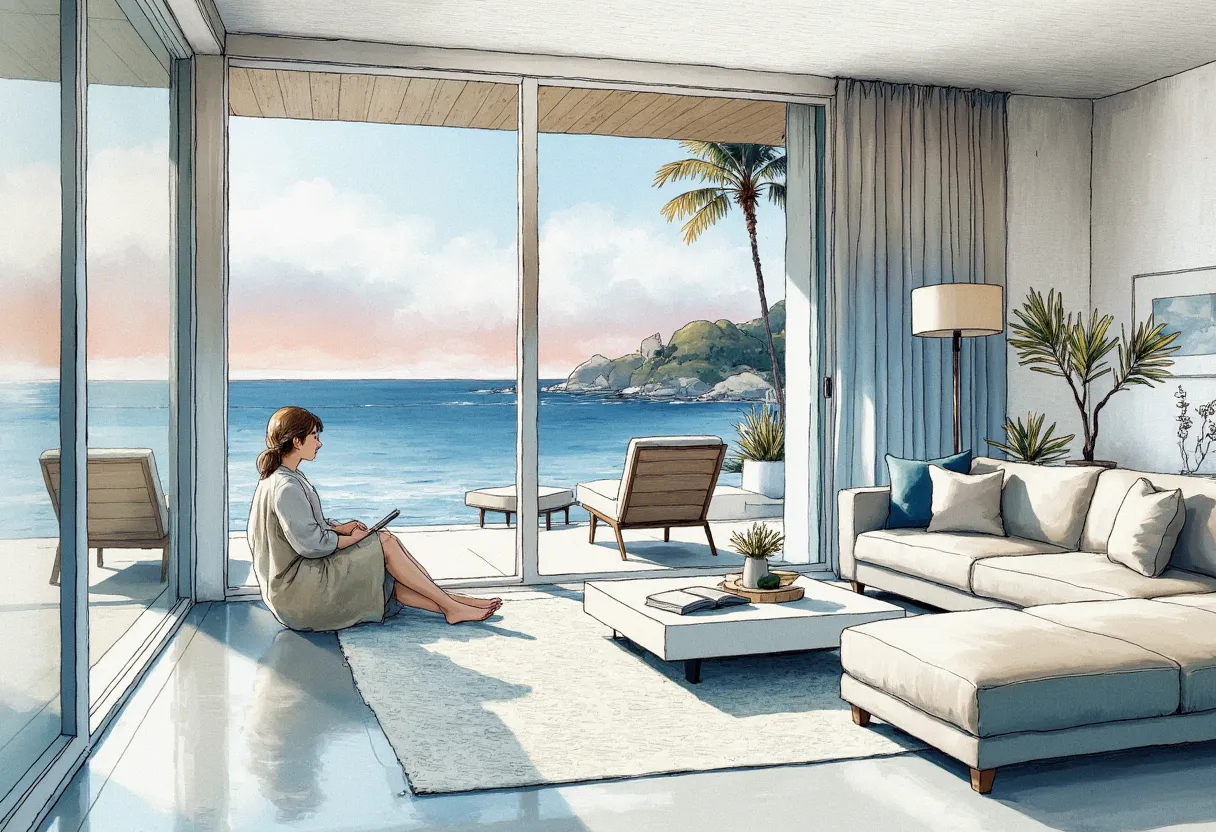
Mediterranean and traditional styles once defined the luxury market, characterized by heavy ornamentation and darker color palettes. Pearson says buyer preferences have shifted toward coastal contemporary homes, which emphasize openness, light tones, and strong connections to outdoor views. These properties typically feature expansive windows, white and sand-colored finishes, and natural materials such as light wood. “Everything feels open and airy,” Pearson says.
The Psychology of Arrival
Pearson says luxury buyers are responding less to square footage and more to how a space feels on arrival. Design choices that shape views, outdoor access, and transitions between spaces are meant to create an immediate sense of calm. It is the “subtle details,” she explains, that ultimately shape that emotional response.
Pearson frames the goal as creating an immediate emotional shift when a buyer arrives home. Elements such as natural sound, outdoor proximity, and visual simplicity are designed to trigger relaxation at a subconscious level. The aim, she says, is for the space to “calm you instantly.”These subconscious details calm you instantly.”
This psychological focus drives the design choices that define coastal contemporary homes. Minimal color palettes, large windows, and warm-toned flooring are all selected to produce immediate sensory calm, not just visual impact.
The Mediterranean Rejection
The move away from Mediterranean and traditional styles is a response to buyer fatigue with visual complexity and excess ornamentation. Pearson says buyers increasingly want simplified, calming spaces that remove, rather than add, architectural elements.
“The Mediterranean style popular in the 80s and 90s isn’t as favored now,” Pearson says. “When people see those homes, they want to simplify them—take away the pillars and create a calmer design with subtle details.”
This preference is especially evident at the ultra-luxury level. Pearson points to recent waterfront properties near the Ringling Museum, valued at $18 to $22 million, that feature walls of glass and contemporary design. These homes, she notes, avoid the cold, impersonal feel that can come with minimalism.
“They did a beautiful job with their waterfront properties—there’s lots of space, but each area has a purpose and a mood, and the views are spectacular,” Pearson notes. “The flooring is often sand-toned, grounding the space and adding natural warmth.”
The Marketing Implication
Drawing on her fashion background, Pearson insists that real estate marketing must communicate lifestyle and emotional resonance, not just a list of features. The visual presentation, especially the first photograph, is critical in capturing the buyer’s attention.
“I always say the visuals have to be top-notch. You have a second to captivate a global audience,” Pearson says. “That first image must have something magical—the feeling that makes you want to see the next picture. That’s the most important thing.”
For Pearson, staging is about telling a clear story of who the buyer could be and what their daily life would feel like in the space. Generic feature lists are insufficient; buyers can see those for themselves.
“I don’t like to waste the reader’s time. It’s about giving them real information about what they’re actually buying. Their eyes can see the features, but the way you stage a home is everything. That’s how you tell the story in the picture,” she explains.
The Emerging Standard
Whether this psychological approach to luxury design and marketing becomes the norm depends on whether it can be taught and adopted by agents without a design background. For now, Pearson continues to refine her methods, recently developing a new marketing concept for a client that applies these principles in a way she believes changes how the property is perceived and positioned.
The shift toward sensory-driven design and emotionally resonant marketing is already visible in new listings and buyer preferences, especially at the highest price points. As affluent buyers prioritize calm, simplicity, and meaningful experience over traditional markers of opulence, the industry will need to adapt its strategies to meet these expectations.
Pearson’s approach underscores a broader reality in luxury real estate: success now depends on understanding and delivering not just what buyers can see, but what they want to feel the moment they walk through the door.
Similar Articles
Explore similar articles from Our Team of Experts.