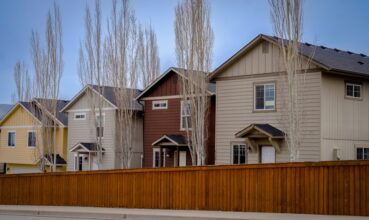

Home prices in Winter Haven have dropped about 3% to 4% over the past year, and the average listing now remains on the market for 74 days before selling. For buyers who have been priced out ...

Winter Haven Homes Are Sitting Longer – But Well-Priced, No-HOA Properties Still Attract Bidding Wars

Written by:
Date:
08 Jan 2026
Share via Facebook

Share via Linkedin

Share via X

Copy to clipboard


Home prices in Winter Haven have dropped about 3% to 4% over the past year, and the average listing now remains on the market for 74 days before selling. For buyers who have been priced out of Central Florida in recent years, the current slowdown may finally offer an entry point.
However, not every home is struggling to find a buyer. Specific properties—especially those without homeowners association (HOA) fees—are still attracting multiple offers and selling quickly. The contrast comes down to particular factors that buyers are prioritizing in today’s market.
What Buyers Are Seeing Right Now
Open houses in Winter Haven now often draw far fewer visitors than they did two years ago. Homes initially listed at peak prices routinely see price reductions of $20,000 or more after several weeks without offers. Buyers are once again requesting seller-paid closing costs, and inspection contingencies—previously waived in competitive bidding—are now standard.
Yet, when a home is priced correctly, lacks HOA restrictions, and features amenities like a pool, demand surges. At a recent open house, 30 prospective buyers visited a well-priced, no-HOA home, resulting in multiple offers. The following week, another similar listing saw the same outcome. Many buyers cited a desire to avoid HOA rules and fees, preferring the flexibility to park RVs, store boats, or make property changes without seeking approval.
Patricia de Graaff, broker associate with RE/MAX Heritage Professionals in Winter Haven, has observed this trend firsthand. “If you price it right and there’s no HOA, it’s gone,” she says.
Three Key Factors Shaping the Market
Three main forces are driving the current market dynamics in Winter Haven.
First, rising mortgage rates have reduced buyers’ purchasing power. Over the past year, rates climbed from around 6% to 7.5%. As a result, a buyer who could afford a $600,000 home last year now qualifies for about $540,000. Sellers are responding by lowering prices to meet the new reality, rather than waiting indefinitely for higher offers.
Second, inventory has increased significantly. In Polk County, there are now 18 to 20 months of supply in the manufactured home and land category, which includes many 55-and-over communities. This is a sharp reversal from the tight inventory of 2021 and 2022, when nearly every listing attracted immediate interest.
Third, the rising cost of homeownership is putting financial pressure on both buyers and sellers. Homeowners insurance premiums have doubled or tripled for some properties, especially older homes or those near water. Property taxes are higher, and general living expenses have climbed. “Life has gotten expensive,” de Graaff says. “People are getting more distressed financially.”
This financial strain is particularly evident among seasonal buyers. Some who previously maintained a primary residence up north and a winter home in Florida are now choosing one or the other, reducing demand in the 55-plus communities that once attracted many snowbirds.
More Extended Closings and New Deal Breakers
Transactions that previously closed in three to four weeks are now taking longer, with contract extensions becoming more common. Buyers often need more time to secure financing, and lenders are requesting additional documentation. De Graaff notes an increase in last-minute deal cancellations due to financing issues discovered late in the process.
Homeowners’ insurance has become a critical issue early in negotiations. Buyers often expect to pay the same insurance premiums as sellers, but this is rarely the case. For example, a 16-year-old roof that met the previous owner’s policy requirements may not qualify under the buyer’s new policy. De Graaff now recommends that buyers obtain insurance quotes during the inspection period to avoid surprises that could derail the transaction.
Advice for Buyers and Sellers
Buyers should take advantage of the slower pace and increased inventory. There is less competition than two years ago, so rushing is unnecessary. Request home inspections, negotiate for repairs, and consider offering below asking price if a home has been listed for more than three weeks. Most importantly, obtain homeowners insurance quotes early, ideally during the inspection window, to ensure the deal remains viable.
Sellers need to price their homes realistically from the outset. Overpricing leads to extended days on market and eventual price cuts. Homes in HOA communities or those needing updates now face competition from new construction with buyer incentives. Staging, professional photography, and a willingness to offer closing-cost credits or minor-repair concessions can help close deals in this environment.
What’s Next for Winter Haven
De Graaff anticipates that the market correction will continue for another four to six months before stabilizing. By late 2025 or early 2026, she expects Winter Haven to return to a healthier pattern, with annual price increases of 5% to 8%, rather than the 15% to 40% spikes seen during the pandemic.
“We went too fast,” she says. “This correction is just the aftermath of that.”
For now, the Winter Haven market is in a period of adjustment. Buyers and sellers who understand the current dynamics and adapt their strategies will find real opportunities.
This article provides information about local real estate conditions. It is not legal, financial, or investment advice.
Similar Articles
Explore similar articles from Our Team of Experts.