South Florida’s real estate market has never been easy to read from the outside. National headlines tend to paint it in broad strokes, either a pandemic boomtown or a market cooling un...

Building Relationships Through Market Cycles: A Florida Agent’s Long-Term Approach to New Construction Sales

Written by:
Date:
12 Dec 2025
Share via Facebook

Share via Linkedin

Share via X

Copy to clipboard

The Florida Panhandle’s real estate market has shifted dramatically in recent years, moving from the COVID-driven surge of unprecedented demand to a more balanced, cautious environment. For professionals with experience navigating multiple market cycles, the current landscape presents both obstacles and openings that require steady, informed strategies.
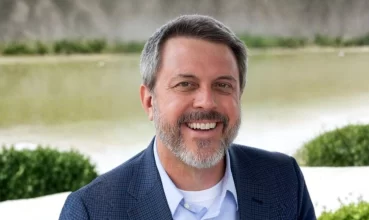
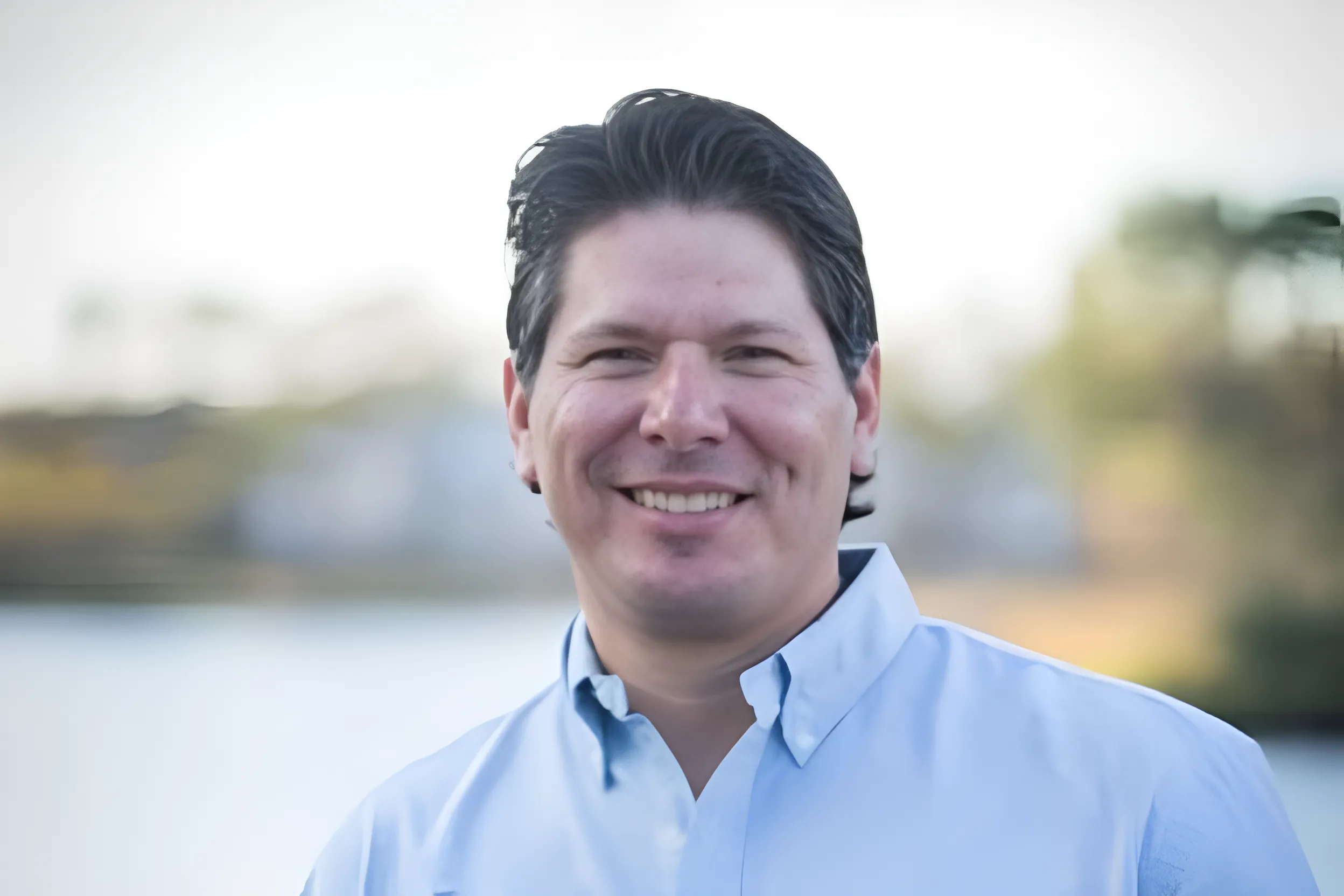
Randy Rintala, associate broker with Berkshire Hathaway HomeServices Beach Properties of Florida, has spent 23 years specializing in new construction sales throughout the Destin-30A corridor. His career began in the early 2000s through a chance meeting at a restaurant, but it was his resilience during the 2008 market crash that shaped his reputation and business approach.
Surviving the Market Crash Through Service
When the subprime mortgage crisis hit, real estate activity in the Panhandle and across the nation stalled. Rintala was one of about 20 agents working with local builders at the time. As the market collapsed, most agents left, but Rintala stayed, taking on property management for unsold developer inventory.
“They basically said, ‘If you take care of our properties, we can’t sell—manage them, look after them, and try to sell them—we’ll remember you,’” Rintala says. “And they did.”
This willingness to handle unsold properties during the downturn paid off when the market began to recover around 2012–2013. The same builders who had struggled during the crash returned to Rintala as new developments launched. “They said, ‘Hey, we’re starting a new development. Are you ready to be our agent?’ And I was by myself, I wasn’t a big agent… I was just at Randy Rintala Real Estate.”
A Hands-On Approach to New Construction
Rintala’s involvement with new construction extends beyond standard sales. He collaborates on home design, handles material selections, and remains deeply engaged throughout the building process. “I’m just not a salesman. I design homes, I do selections. I wanted to be so involved because I don’t like middlemen,” he says.
This hands-on approach includes ongoing customer service, even years after a sale. Recently, he joined builders to address a roof leak in a home sold five years earlier. Although the warranty had expired, they covered the repair. “That’s the type of person I am. I want to be around those types of people, because we owe that to the client. There’s a relationship there, and trust has to be built.”
Current Market Dynamics: A Buyer’s Market Reality
The 30A corridor is now firmly a buyer’s market, a reversal from the frenzied activity of the pandemic years. Rintala attributes this to inflated expectations and a wave of inexperienced agents who entered the field during the boom.
“All these people moved to Florida, and no one was prepared for it. Real estate agents were popping up everywhere, and people were buying properties without thinking it through,” he observes.
Rental properties, in particular, were affected by unrealistic income projections. During COVID restrictions, some homes achieved near 100% occupancy, but these figures were not sustainable. “They were giving you numbers with 100% occupancy because of COVID. In a true market, you’d be making half of that,” Rintala says.
Professional Standards in a Challenging Environment
As demand has cooled, the market has exposed differences in agent professionalism and expertise. “We’re in a true real estate market now. Before, anything would sell, and anybody could sell real estate. Now, can you sell it in these conditions? That’s what weeds out a lot of people who weren’t really professionals,” Rintala explains.
He believes effective representation in new construction means focusing on the transaction itself, not just one party. “The best thing about my job is that I don’t represent anybody. I represent the deal. When you represent the deal, you have nothing to hide.”
This philosophy includes providing honest assessments, even if it means advising clients not to buy. “You’re willing to tell people that it’s probably not a good buy. You’re not chasing a paycheck,” he says.
Regional Advantages and Infrastructure Development
The Panhandle’s appeal goes beyond its beaches, offering advantages that support long-term growth. Improved airport access, including direct flights to major cities like New York, has made the area more accessible. “When people come to our area, they’re surprised it exists,” Rintala notes.
Safety and a family-friendly atmosphere further distinguish the region from other Florida markets. “There aren’t many places where you can let your kids go out and not worry about them,” he says, emphasizing the area’s draw for families and retirees.
Water access is another major attraction. “A lot of people grew up on lakes, fishing in creeks and ponds. We have every type of water you could want, especially with the Gulf of Mexico,” Rintala adds.
Price Projections and Market Outlook
Rintala predicts price stability over the next year, with little movement expected until 2026. “I think they’re going to be even Steven. I think 2026 will be better because new policies and tax savings will come into play,” he says.
His conservative outlook is shaped by the volatility of the past few years. “During the COVID years, you shouldn’t have 20%, 30%, 50% appreciation between contract and closing. That’s dangerous for everybody.”
He emphasizes the importance of a long-term perspective for buyers. “If you’re not buying for at least five years, you shouldn’t be buying. If you plan on selling within five years, good luck making any money or even breaking even.”
Master-Planned Community Development
Rintala is currently focused on Water Sound Origins, a large master-planned community that highlights significant infrastructure investment in the Panhandle. “They’re basically building a city before your eyes. It’s a city a mile from some of the most beautiful beaches that millions of people come to see,” he explains.
The development features a town center with retail, dining, and essential services, creating a suburban environment that appeals to buyers from major metropolitan areas. “Having a town center with a grocery store, shops, and restaurants is something people from larger cities can relate to,” Rintala says.
Looking Forward
Despite the slower pace of the general market, Rintala remains confident in the resilience of new construction. “Even in a slow general real estate market, new construction is steady Eddie,” he says.
His success relies on deep market knowledge, long-term relationships, and a commitment to honest representation. For agents facing uncertain conditions, Rintala’s approach underscores the value of prioritizing service and relationships over short-term gains.
The Florida Panhandle’s shift from a tourism destination to a primary residence market continues, supported by new infrastructure and quality-of-life advantages. For buyers and investors who are prepared to hold for the long term, today’s market conditions may offer opportunities not seen during the pandemic’s rapid run-up.
Similar Articles
Explore similar articles from Our Team of Experts.