
The self storage industry is grappling with an evolving competitive landscape as emerging storage alternatives threaten traditional feasibility metrics based solely on population density and...

Manhattan’s New Construction Slowdown Reshapes Luxury Market Dynamics

Written by:
Date:
24 Nov 2025
Share via Facebook

Share via Linkedin

Share via X

Copy to clipboard

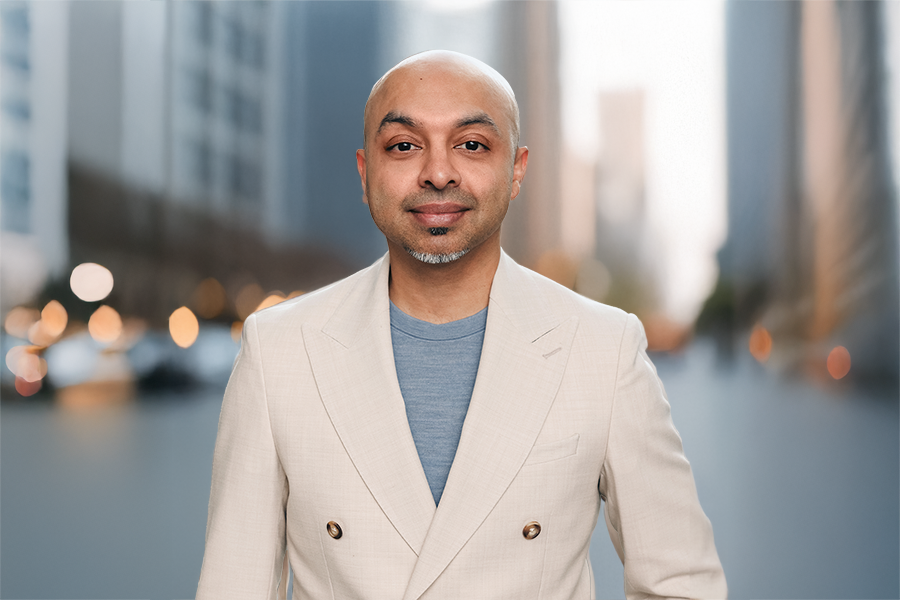
Manhattan’s luxury real estate market is undergoing a significant adjustment as higher interest rates and escalating construction costs force developers to pause or reconsider new projects. This slowdown is shifting buyer attention to the outer boroughs and altering what affluent buyers prioritize in their home searches. As the most expensive housing market in the country recalibrates, both developers and buyers are adapting to new constraints and opportunities.
From Personal Experience to Professional Mission
Mukul Lalchandani’s career in New York real estate began with a family setback that revealed gaps in the city’s property services, especially for international buyers. When his parents bought a property from overseas, the process was far more difficult than their experiences in Hong Kong.
“We were promised the world, and we were not given it,” Lalchandani recalls. His parents ended up needing two mortgages to close on the property, with the second mortgage carrying a steep 16% interest rate. “We had no other choice but to do it. Otherwise we would have lost our deposit.”
The closing process lasted six hours, and the agent’s indifference was clear. “The agent walked in, never heard from the agent, never saw the agent. He walks in with his fur coat, picked up a six-figure check, and walks right out, does not apologize.”
This experience shaped Lalchandani’s approach to serving international and high-net-worth buyers. After more than 15 years with established firms, he launched Undivided in 2023, focusing on what he describes as “undivided loyalty, attention and service to our clients.”
Development Pipeline Faces Economic Headwinds
Since 2022, Manhattan’s new construction sector has slowed sharply due to rising development costs and higher interest rates. Lalchandani, who specializes in new developments, says the economics have become prohibitive for many projects.
“The cost of money is expensive for developers now when they want to get investments. It’s very expensive to the point that it just is not feasible to build,” he explains. Pandemic-driven increases in material costs have compounded the problem, making it difficult for developers to launch new projects profitably.
As a result, the volume of new development has dropped. “There are still smaller developments coming and popping up all across the city, but there’s certainly no trend happening or no real up and coming neighborhoods,” Lalchandani notes. This stands in stark contrast to the years before COVID-19, when entire new neighborhoods and luxury towers regularly appeared on the Manhattan skyline.
Buyer Preferences Shift Toward Functionality
Affluent buyers in Manhattan are now prioritizing practical features over traditional luxury amenities. The pandemic changed what buyers expect from their homes, with work-from-home arrangements and health concerns driving demand for more adaptable living spaces.
“Before pre-COVID, buyers wanted the standard one or standard two bed. Today, consumers want a home office space where they can convert a room for Zoom calls,” Lalchandani observes. Outdoor space, once a “nice to have,” is now a frequent requirement, as are homes that can accommodate lifestyle changes over the past few years.
His clients—primarily professionals in technology, medicine, finance, and consulting—are increasingly looking for homes with space for in-home gyms. “A lot of high net worth buyers want an in-home gym. They want a room they can convert into a gym,” he says. The popularity of in-home fitness equipment like Peloton has led to a broader demand for self-contained living environments. “They don’t want to have to leave the home, so you have to have all the services available in the home,” Lalchandani adds.
NAR Settlement Alters Agent-Buyer Relationships
The recent settlement involving the National Association of Realtors (NAR) changed how buyer agents are compensated, raising questions in the industry about its impact. Lalchandani says the change has actually improved the quality of agent-buyer relationships.
“Now that the buyer’s agent has these consultation conversations with the buyer, it helps to weed out the buyers that are not serious and just looking versus the ones that are actually ready to get a deal done,” he explains.
The new compensation model has also benefited experienced agents financially. “As a buyer’s agent, I’m actually able to get more commission now than I was before, because now I put it in the contract that I have to get my guaranteed 3% commission,” he says.
Outer Boroughs Attract Attention as Manhattan Inventory Tightens
With fewer feasible new developments in Manhattan and prices remaining high, buyers and developers are increasingly turning to the outer boroughs. Lalchandani points to several neighborhoods in Brooklyn, Queens, and the Bronx where he expects strong activity over the next 12 to 24 months.
“Manhattan has really taken a beating since interest rates have happened,” he says. “I would say the outer boroughs—places like Brooklyn, much further in Brooklyn, so below Prospect Park, neighborhoods like Flatbush, Prospect Lefferts Garden, Windsor Terrace, Kensington.”
He also highlights Queens neighborhoods such as Long Island City and Astoria, and notes that Mott Haven in the Bronx is attracting new investment and buyers. These areas offer relatively better value and more development opportunities as Manhattan’s supply remains limited and cost-prohibitive for many.
Political Changes and Misconceptions in the Luxury Market
Recent political shifts in New York have caused anxiety among some luxury property owners, particularly regarding potential changes to rent laws and property taxes. The election of Zohran Mamdani as mayor has fueled concerns about increased regulation of high-end properties.
“A lot of my clients worry that someone like that is going to freeze rent rates for their properties and increase property taxes,” Lalchandani notes. After reviewing the new administration’s policies, he reassures clients that luxury condos and free-market homes are unlikely to be affected. “This is really going to affect rent-stabilized homes, lower income housing,” he says, emphasizing that most high-end properties will not see direct policy impacts.
Technology and Market Education
Lalchandani has adopted YouTube as a core tool for reaching and educating potential buyers. He focuses on providing educational content tailored to the needs of his target market, rather than promotional material.
“Unlike other social media platforms, YouTube, people go there to learn,” he explains. By producing videos that address common questions and concerns, he positions himself as a trusted resource for international and high-net-worth clients. “If a consumer is searching for certain key terms that are specific to my target market, and they keep seeing my videos show up again and again, they will immediately connect me with what they’re looking to purchase or sell.”
Looking Forward
The Manhattan luxury market remains in flux as developers slow new construction and buyers reconsider what matters most in a home. While the pace of new projects has diminished, buyers willing to look beyond Manhattan’s traditional boundaries or wait for the right opportunity may find better value and more customized inventory.
For buyers at the high end, the current environment offers some advantages: more focused agent relationships, homes that better match post-pandemic lifestyles, and emerging opportunities in Brooklyn, Queens, and the Bronx. Success in today’s market depends on working with professionals who understand both the regulatory complexities and the evolving demands of luxury buyers.
As Lalchandani puts it, his clients “want the newest, flashiest homes, but they want it at value. They don’t want to overpay.” Navigating Manhattan’s luxury real estate market now requires patience, expertise, and a willingness to adapt to new realities.
Similar Articles
Explore similar articles from Our Team of Experts.