Few real estate markets in New Jersey operate quite like Princeton. With one of the country’s most recognized universities at its center, a cluster of major pharmaceutical and technolo...

Paso Robles Wine Country Real Estate Faces Pricing Reset, Draws Strategic Investors

Written by:
Date:
21 Nov 2025
Share via Facebook

Share via Linkedin

Share via X

Copy to clipboard

The Paso Robles wine country real estate market is undergoing a significant pricing reset, forcing sellers to recalibrate expectations while opening the door for strategic investors seeking long-term opportunities. After the record-breaking prices of 2021–2022, buyers and sellers now face a market defined by increased inventory, more selective demand, and a return to fundamentals.
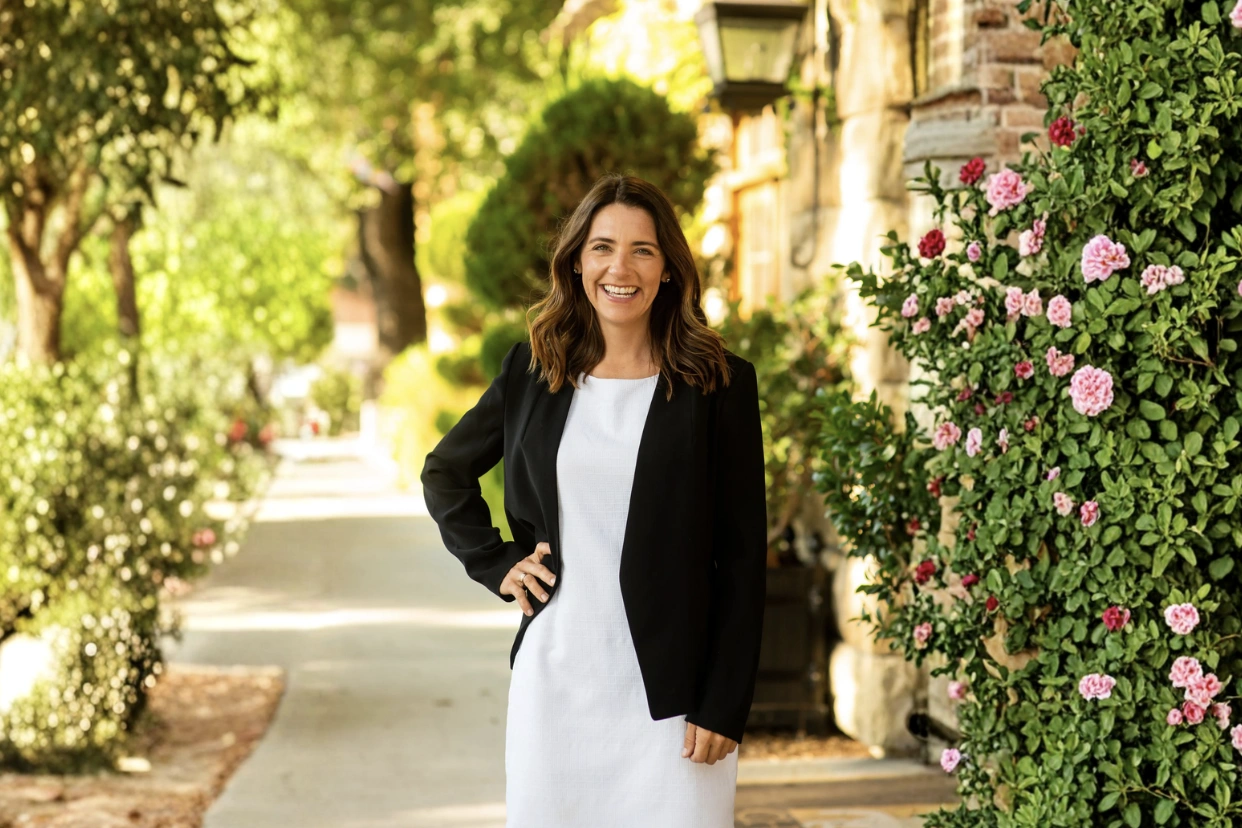
Brittany Malone Thompson, a broker at Vineyard Professional Real Estate with 15 years of winemaking and viticulture experience, offers a technical perspective on these changes. Her expertise in wine production and vineyard management allows her to guide institutional investors and high-net-worth clients through complex transactions that require thorough understanding of both agricultural and real estate factors.
From Winemaker to Real Estate Advisor
Thompson’s transition from winemaking to real estate was rooted in longstanding ambition. “At 16 years old, on my PSAT test, it says ‘What do you want to be when you grow up?’ My response was a real estate broker,” she recalls. After earning degrees in agribusiness marketing and viticulture from Cal Poly and spending more than a decade in wine production, Thompson shifted to real estate as she started her family. Her technical background in vineyard operations, water rights, and hospitality has become a distinct advantage in a market where success depends on expertise beyond traditional residential real estate.
Market Dynamics and Today’s Buyers
The buyer pool in Paso Robles remains dominated by high-net-worth individuals and institutional investors. The region’s appeal lies in its combination of agricultural investment potential and lifestyle allure. “Paso has this ability to provide the viticulture, the industry side, the agribusiness side, but we marry that with this lifestyle component,” Malone explains.
Despite the market correction, Paso Robles’ economic fundamentals are solid. The region generates $2.8 billion in annual economic impact, supports nearly 9,000 jobs, and draws about 2.5 million visitors each year, who contribute $485 million in local tourism spending. These figures highlight the area’s resilience as both an investment destination and a lifestyle choice, even as pricing adjusts.
Pricing Realities: Sellers Face Downward Pressure
The current market reflects a marked departure from the peak valuations of recent years. “We definitely have sellers that are still hoping and wanting pricing that we were receiving in 2021 and 2022, and we’re not even remotely close to that market,” Thompson notes. Sellers who continue to anchor to last year’s prices are seeing their properties linger, while those who price realistically are finding buyers.
This widening gap between seller expectations and market reality is creating both challenges and opportunities. For motivated sellers, realistic pricing and thorough property preparation are now essential. For investors, the recalibration phase offers access to premium vineyard properties that were previously out of reach.
With increased inventory across vineyard lifestyle properties, operating wineries, and luxury estates, buyers have more options and greater leverage. The market has shifted decisively in favor of buyers, requiring sellers to differentiate their offerings with clear documentation, well-maintained infrastructure, and competitive positioning.
Investment Strategy and Key Considerations
Institutional investors are actively seeking properties with strong fundamentals, such as reliable cash flow and solid infrastructure. “Investors can walk into a property that is cash flowing positively and then step into that equity piece as our region continues to grow,” Thompson says.
Water resources remain a central factor in investment decisions. In California, where water scarcity is a persistent concern, properties with secure water rights and robust infrastructure command premiums and attract the most serious buyers. Investors scrutinize water documentation, well data, and distribution systems as closely as vineyard yields or tasting room revenues.
Paso Robles offers a unique advantage over more established wine regions like Napa Valley: room for growth. While Napa is largely built out, Paso Robles still has significant development capacity. “We still have a lot of growth to happen. Should someone want to build their own estate, their own project, there is still so much land here that can happen,” Thompson emphasizes. This development potential is a draw for investors seeking to create new winery projects or expand existing operations.
Industry Headwinds and Adaptive Strategies
The wine industry faces pressure from shifting consumer preferences and heightened competition. Thompson notes, “Our consumer preferences are changing, and they also have a lot of choice. Trying to stick out as a brand, creating something different than all the other wineries, is challenging.” The proliferation of wineries and alternative beverage options has made it harder for new brands to establish themselves and for existing operations to maintain market share.
Additionally, a segment of consumers is reducing or eliminating alcohol consumption, which impacts wine sales and, by extension, vineyard property values. The industry is responding with innovative approaches, such as regenerative farming practices that appeal to health-conscious consumers and support long-term sustainability. “There was a massive organic push and adoption with organic farming, which was a great first step. This is kind of a next level step, really ensuring that we’re taking care of the soil health and the people involved with farming,” Thompson explains.
Off-Market Transactions and Privacy Demands
A notable share of high-value transactions in Paso Robles occurs off-market, driven more by privacy concerns than market uncertainty. “A lot of times with our clientele, they are not ready to go public with their properties being for sale. We take that confidentiality very seriously,” Thompson says. While off-market deals offer discretion, Thompson often recommends public listings for maximum exposure and higher sale prices, depending on the seller’s goals and circumstances.
Seller Strategies: Preparation and Transparency
In today’s market, thorough preparation and transparency are critical for sellers. Thompson advises, “Make sure your financials are clear and reported in a way that can be interpreted. Make sure you have your contracts in place, especially if you’re a vineyard seller.” Well-documented grape contracts, detailed water rights, and comprehensive infrastructure records significantly increase the likelihood of a successful sale. Buyers are conducting extensive due diligence, and inadequate documentation can derail transactions or reduce valuations.
Looking Ahead: Long-Term Outlook
Paso Robles’ strong tourism base, ongoing development potential, and wave of innovative winemakers contribute to a positive long-term outlook, even as the market corrects from unsustainable highs. Thompson points to a “second wave” of young winemakers who bring new energy and ideas to the region, complementing the established foundations of the area’s wine industry.
For investors willing to conduct thorough due diligence and take a patient approach, the current market reset presents opportunities to acquire quality vineyard and winery assets at more sustainable prices. Success in this market requires both agricultural knowledge and real estate expertise – a combination that professionals like Thompson bring to the table.
As Paso Robles wine country real estate continues to adjust to post-boom realities, the need for specialized guidance is greater than ever. Investors and sellers alike must recognize that today’s environment rewards preparation, realism, and a deep understanding of the unique interplay between agriculture and property value. Those who adapt to these demands are best positioned to benefit from the region’s next phase of growth.
Similar Articles
Explore similar articles from Our Team of Experts.