

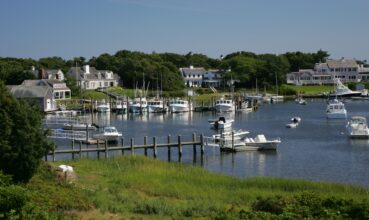
Cape Cod, Massachusetts is often viewed as a classic vacation home market where towns slow down in winter and many properties remain vacant for extended periods. However, Jack Bohman, Lead A...

Sunny Isles Market Faces Condo Crisis as Reserve Requirements Take Effect

Written by:
Date:
06 Nov 2025
Share via Facebook

Share via Linkedin

Share via X

Copy to clipboard


The South Florida luxury market is experiencing a pronounced split, with single-family waterfront properties outperforming older condominiums, which are now facing a crisis due to new reserve requirements and increasing assessments. Ruth Abeckjerr, broker-owner of Miami Connections Realty LLC, describes the condo market as “flat” and challenged by regulatory changes that could lead to further price declines in 2026.
“The older buildings, you can see that the sales are so much more difficult. There’s so many on the market, and then when you do the comparables to see what’s sold, there’s no sales,” said Abeckjerr, who brings 39 years of experience in the Aventura and Sunny Isles markets. The result is two distinct segments: single-family homes remain strong, while older condos struggle under different conditions.
The Sunny Isles condo market has seen a significant increase in inventory and few sales, putting downward pressure on prices as sellers compete for a limited number of buyers willing to take on the financial responsibilities of aging buildings.
Abeckjerr identifies several regulatory and financial factors fueling the current market distress. The most significant is Florida’s new reserve requirement, which mandates that every condominium building maintain a fully funded 10% reserve account. Many buildings delayed compliance in 2025 by passing their budgets in 2024, but this option disappears next year.
“Now, come 2026 there’s no way around it, and I think they’re going to see even more of a drop,” Abeckjerr explained. Buildings must now fund both major renovations through special assessments and substantial reserve accounts, creating a double financial burden for unit owners.
The state is offering zero-percent interest loans for assessments, but owners are still responsible for repayment. “A lot of people are struggling. So I’ve seen people like, for example, my building, where my office is, people are downscaling. They’re selling their two bedrooms and buying a one bedroom,” Abeckjerr noted.
The financial strain has led to significant lifestyle changes among condo owners. Abeckjerr observes residents selling larger units to purchase smaller ones within the same building, using the price difference to offset rising fees. However, this tactic is less effective as “the two bedrooms sell for the same price that the one bedrooms used to be selling for.”
This shift reflects a broader market adjustment as owners seek to remain in desirable locations while minimizing exposure to increasing costs. It highlights how regulatory changes are not only affecting pricing but also altering living arrangements in South Florida’s luxury condo market.
For investors, Abeckjerr sees opportunities in distressed buildings facing major assessments. She cites a building in Bal Harbour where units are priced below $1 million despite being oceanfront, with visible maintenance issues signaling future expenses.
“I would buy that because I can rent it while I wait for a developer to knock on the door. That’s what I call a decent investment,” she explained. This approach involves targeting buildings likely to attract developer buyouts while generating rental income during the holding period.
The 2026 compliance deadline is a pivotal moment for South Florida’s older condo inventory. Buildings unable to fund required reserves through assessments may face further financial strain, potentially speeding up developer acquisitions and redevelopment.
Abeckjerr’s analysis indicates the crisis will continue to divide financially stable buildings from those with deferred maintenance and insufficient reserves, resulting in distinct market segments with significantly different pricing and investment prospects.
Similar Articles
Explore similar articles from Our Team of Experts.



Perspectives, Real Estate Investment, Industry News, Commercial Real Estate, Market Analysis & Policy
Major institutional investors are increasingly targeting Southeast agricultural properties, driven by growing concerns over food security and the region’s abundant natural resources, a...

