
Richmond, Virginia’s real estate market has changed dramatically over the past century, moving from post-Civil War construction to today’s technology-driven industry. At the center of th...

How Property Technology Is Shifting From TV Service to Smart Building Integration

Written by:
Date:
20 Oct 2025
Share via Facebook

Share via Linkedin

Share via X

Copy to clipboard

The property technology sector is undergoing a significant transformation as traditional service providers expand beyond their original offerings to become comprehensive technology integrators. This shift reflects broader changes in how commercial real estate operators approach technology investments, moving from individual solutions to integrated platforms that serve multiple functions across their properties.
From Television Provider to Systems Integration
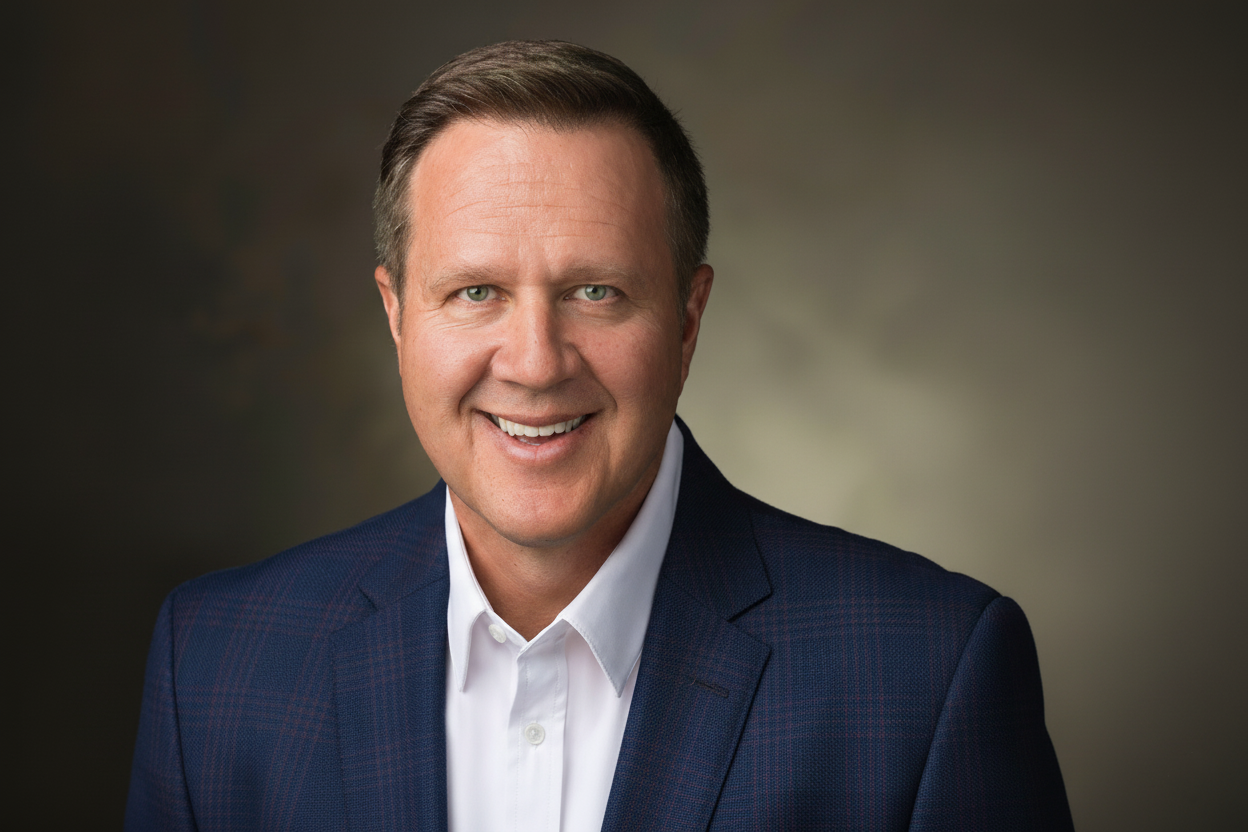
Lance Platt’s experience with Groove Technology Solutions demonstrates this industry evolution. What started nearly 20 years ago as a television service provider for hospitality and senior living has grown into a systems integrator serving various property types.
“The evolution really took place with television service moving away from traditional cable infrastructure or satellite-based infrastructure into more of an IPTV type service,” Platt explains. “As television moved towards networking-based delivery mechanisms, it shifted our company into needing to be a network-based company, supporting network activities.”
This transition enabled new opportunities. As properties needed robust networks for IPTV, they also required support for Voice over IP telephone systems, Wi-Fi infrastructure, and eventually smart building technologies. Groove now serves hospitality, healthcare including senior living and hospitals, multifamily properties, and student housing, sectors where integrated technology solutions benefit multiple residents or guests.
The Value of a Single Technology Partner
The complexity of today’s property technology brings challenges for operators managing multiple vendors. Without integrated providers, property managers often coordinate separate companies for networking, television services, security systems, and smart building technologies.
“There’s a lot of finger pointing that goes on in our industry,” Platt notes. “If you’re delivering IPTV service and something’s wrong with the network and you didn’t provide it, there’s that kind of finger pointing to the network provider.”
Groove focuses on improving the customer experience through long-term partnership and proactive support. “Our value proposition is really built around how we respond and how we show up when something goes wrong,” Platt emphasizes, acknowledging that technology challenges are inevitable with complex systems, but how a provider handles them makes all the difference.”
Trends in Technology Adoption by Sector
Different property sectors are at varying stages of technology adoption, driven by operational needs and guest expectations. Hospitality leads in networking infrastructure because reliable Wi-Fi is essential for guest satisfaction but lags in IoT implementation compared to multifamily properties.
“When was the last time you went to a hotel and used a physical key to open the door?” Platt asks, highlighting how hotels have widely adopted keyless entry systems while many apartment buildings still rely on physical keys. However, multifamily properties are advancing quickly in smart building technologies, adding features like smart thermostats, locks, and leak detection systems.
Senior living is in the middle, recognizing the value of managed Wi-Fi while gradually adopting additional technologies. “All of these industries are at different points along that journey based on the value proposition for their either guests or residents,” Platt observes.
Capital Constraints and Market Dynamics
While interest in smart building technology is high, capital access challenges are affecting project timelines and scope. “Access to capital is not what it was a year or two ago,” Platt reports. “New construction has obviously slowed down considerably, almost come to a screeching halt in some respects.”
Retrofit projects continue, driven by two main motivations: scheduled technology refreshes every five to seven years, and operators wanting to add smart building capabilities with minimal capital expenditure. The focus is on solutions that provide meaningful functionality without requiring significant upfront investment.
Smart Building Technology Moves Past Marketing
Although smart apartment marketing is common, actual deployment remains at relatively low levels. “It’s not marketing hype any longer. Smart building technology and prop tech solutions are here for multifamily, for sure, but it’s still a relatively low penetration,” Platt explains.
Early smart building implementations often failed to meet expectations, focusing narrowly on smart locks rather than broader capabilities like energy management or comprehensive leak detection. “The first generation of smart building technology really didn’t deliver on the needs of the industry in the way that maybe they sold themselves to deliver on.”
Recent market consolidation through mergers and acquisitions has caused some confusion about available solutions, but major portfolios are increasingly standardizing around smart building technologies and seeking reliable partners for implementation.
From Amenity to Standard Expectation
Smart building technology is transitioning from a competitive differentiator to a baseline expectation, much like how hotel Wi-Fi evolved from a paid service to a standard feature. “There’s still an opportunity to use smart building technology as a differentiator, for sure. But when you have four apartments on a block, and two or three of them are starting to offer some kind of smart building tech, then you’re going to be at a disadvantage,” Platt notes.
The industry continues to debate whether to charge separate amenity fees for smart features or include costs in base rent. Platt expects that technology costs will ultimately be included in standard pricing: “I think in the future we’ll say our base rent is going to include all of these technologies.”
Senior Living’s Distinct Technology Needs
Senior living faces unique regulatory requirements that complicate technology adoption. Fall detection systems are mandatory but expensive and often unpopular with operators, who view them as requirements rather than value-added services.
“Most operators don’t want them. It’s not a nice to have. It’s a need to have. It’s a requirement. So they put them in because they have to have them,” Platt explains. However, innovative solutions are emerging that address compliance while offering features like medical biometric monitoring, family connectivity, and community resource management.
Looking Ahead: Integrated Platforms and Long-Term Support
The property technology landscape is moving toward integrated platforms that serve multiple functions and simplify operations for property managers. Success increasingly depends on providers’ ability to deliver comprehensive solutions with reliable ongoing support, rather than just installing equipment and moving on.
As capital constraints persist and technology expectations rise, property operators are seeking partners who can deliver meaningful functionality at reasonable costs and provide the expertise to maintain and optimize systems over time. Companies that can bridge the gap between technological capability and operational needs will define the next phase of property technology.
For property operators evaluating technology investments, the most important factor is finding providers who understand that implementation is just the beginning of an ongoing relationship. Ongoing support, updates, and optimization are essential to deliver sustained value.
The Future of Property Technology
The evolution of property technology is pushing the industry toward a model where integrated solutions and long-term partnerships become the norm. Property operators are increasingly looking for technology partners who can manage the full lifecycle of systems, from installation through maintenance and upgrades.
As smart building technology becomes standard, the focus will shift to operational efficiency, resident satisfaction, and regulatory compliance. Operators who invest in flexible, scalable platforms will be better positioned to meet changing expectations and requirements across property types.
Ultimately, the companies that succeed will be those that recognize the importance of integration, reliable support, and continuous improvement. As property technology continues to evolve, the ability to deliver on these factors will separate leaders from the rest of the market.
Similar Articles
Explore similar articles from Our Team of Experts.