

The real estate industry stands at a pivotal moment where artificial intelligence is fundamentally changing how enterprise-level brokerages operate, according to Victor Lund, Founding Partne...

Sarasota Real Estate Agent Leverages AI to Navigate Challenging Market Conditions

Written by:
Date:
07 Oct 2025
Share via Facebook

Share via Linkedin

Share via X

Copy to clipboard

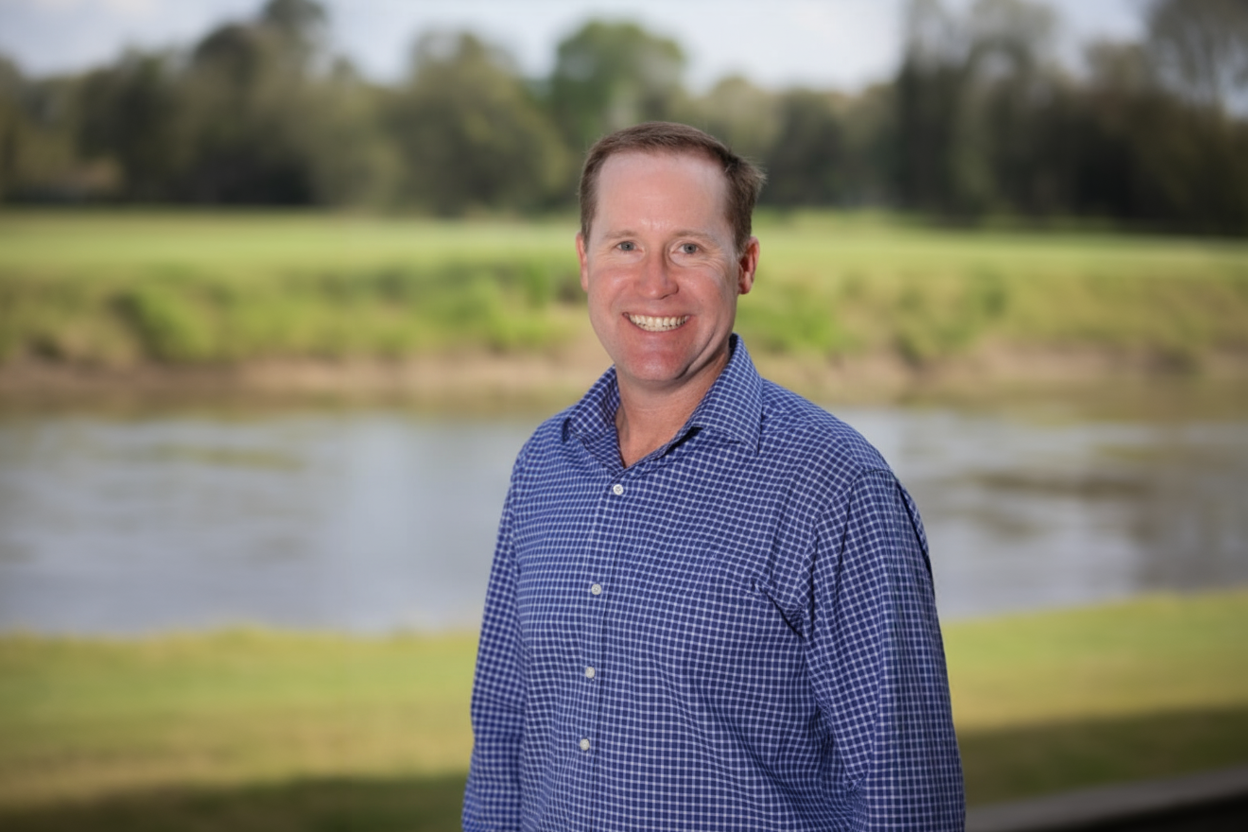
The Sarasota real estate market presents a complex landscape where traditional approaches are challenged by new realities. With inventory at eight months for condos and five and a half months for single-family homes, agents are adapting their strategies to a distinctly buyer-favored environment.
Brett Keyser, Realtor, RE/MAX Alliance Group, has witnessed multiple market cycles since entering the industry during the 2008 financial crisis. His journey from Manhattan finance to Florida real estate began when Lehman Brothers collapsed, prompting a career pivot that would span over 15 years in Sarasota.
“I worked for Lehman Brothers and in 2008 we went bankrupt,” Keyser recalls. “I came back to Sarasota and got my real estate license. It took me eight days to get licensed, and I was up and running, though I didn’t know what I was doing.”
Starting in the foreclosure market during the financial crisis, when 70-80% of sales were distressed properties, Keyser built his foundation handling bank-owned assets. This experience through multiple market cycles now informs his approach to today’s challenging conditions.
Technology-Driven Marketing in a Buyer’s Market
With approximately 6,000 active agents in Sarasota-Manatee, differentiation is crucial. Keyser has turned to artificial intelligence, specifically ChatGPT, to enhance his marketing and better identify potential buyers.
“What I’m looking for is how to get your property out there to more people, specifically the right people,” he explains. “I’m using AI to identify who our buyer is based on big data about who has bought in specific buildings and what their profile looks like.”
This data-driven approach allows for targeted campaigns. For a downtown high-rise, Keyser might create different materials for retirees versus young professionals, adjusting the messaging as needed.
Market Dynamics and Regional Variations
Today’s market shows significant geographic and property-type variations. “This one’s unique because there’s such a differentiation between condos and single-family houses,” Keyser observes. “We have about five and a half months of inventory for single family houses and about seven and a half to eight months for condos.”
Condo market struggles stem from new Florida legislation requiring full reserve funding and studies, increasing fees. Three hurricanes last year raised insurance costs, and many buildings face challenges securing coverage.
“As those condo fees have come up, the price has to come down,” Keyser explains. “When you hit about eight months of inventory, that becomes a very strong buyers market.”
Within Sarasota-Manatee, location drives performance. North Port, the county’s southernmost city, has seen the largest price declines, while Sarasota proper has shown greater resilience. “Location, location, location,” Keyser emphasizes. “You have all the infrastructure people want. The resiliency of places like the city of Sarasota have fared much better than rural areas.”
In North Manatee’s Parrish area, new construction drives price increases. Large-scale builders offer incentives, including $30,000 in credits and interest rate buydowns to 3.99%.
“The builders have purchasing power where they can buy interest rates down and pay for closing costs while keeping resale numbers relatively high,” Keyser notes. This creates challenges for existing homeowners: “If your house is five years or older, good luck, especially if you’re competing with a builder.”
Pricing Strategy and Client Education
The timeline from Keyser’s historical four-day average to current 80-plus day marketing periods has required strategy adjustments. The main challenge is managing seller expectations in a declining market.
“A lot of sellers still think it’s a seller’s market and don’t realize the market has dropped,” he explains. “You have something that sold for $200,000 five months ago, and now there’s an active property for $180,000 that’s still not selling. We can’t put your house on the market for $210,000 because you’re competing with the $180,000 property.”
Keyser estimates losing six or seven listings last year due to sellers refusing to price competitively, only to see those properties eventually sell for less after months on the market.
“All I can do is try to show you what you need to do to sell your house,” he states. “If you choose not to listen, that’s fine, but if we want to sell it, this is where we need to be.”
Investment Market Conditions
The investor landscape has shifted: fix-and-flip investors have largely exited due to declining conditions. Creative financing arrangements are more common, though Keyser cautions these usually benefit investors over sellers.
For buy-and-hold investors, the math is tough. “If you’re getting any type of financing right now as an investor, you’re probably at an 8% interest rate,” he explains. “With prices still relatively high and rental amounts that haven’t increased, in fact, they’ve gone down, the numbers just don’t make sense.”
Cash investors can still achieve double-digit returns, but even they must weigh real estate against stock market alternatives.
Construction and Future Supply
Building permit activity has declined, but developers are adapting by extending development timelines to manage inventory.
“What they’re doing now is dripping the inventory out slower,” Keyser observes. “In a better market, they would crank through a phase in a couple months. Now it might be six months to a year because they don’t want to lose money.”
Hurricane Resilience and Market Perception
Despite three hurricanes impacting the region in the previous year, Keyser emphasizes the area’s overall resilience. Barrier islands like Siesta Key saw significant damage, but mainland areas fared well.
“Despite getting a direct hit from a category three storm and dealing with Helene, we still made it out very well,” he notes. “I would say probably 95% of the area did fine, with the exception of the barrier islands.”
Looking Forward
The market requires patience from both buyers and sellers as conditions normalize. For sellers needing specific price points, Keyser suggests waiting, as market cycles require years rather than months to complete transitions.
“Market cycles are slow,” he explains. “You’re coming down, leveling off, and then coming back up slowly. It’s not like you just pop straight back up.”
Recent months show increased activity, hinting at potential stabilization. For professionals, success depends on adapting strategies to match current conditions.
The Sarasota market’s complexity, with geographic variations, property-type differences, and external factors, exemplifies the nuanced approach required today. Agents who embrace technology, maintain realistic pricing, and educate clients about market realities are best positioned to navigate these challenging conditions.
Similar Articles
Explore similar articles from Our Team of Experts.