

Florida’s affordable housing crisis has left many residents struggling to find viable options in a market dominated by rising prices and limited inventory. But Juan Ortega, Founder and...

Real Estate Transactions Evolve as Video Documentation Reduces Disputes

Written by:
Date:
26 Sep 2025
Share via Facebook

Share via Linkedin

Share via X

Copy to clipboard

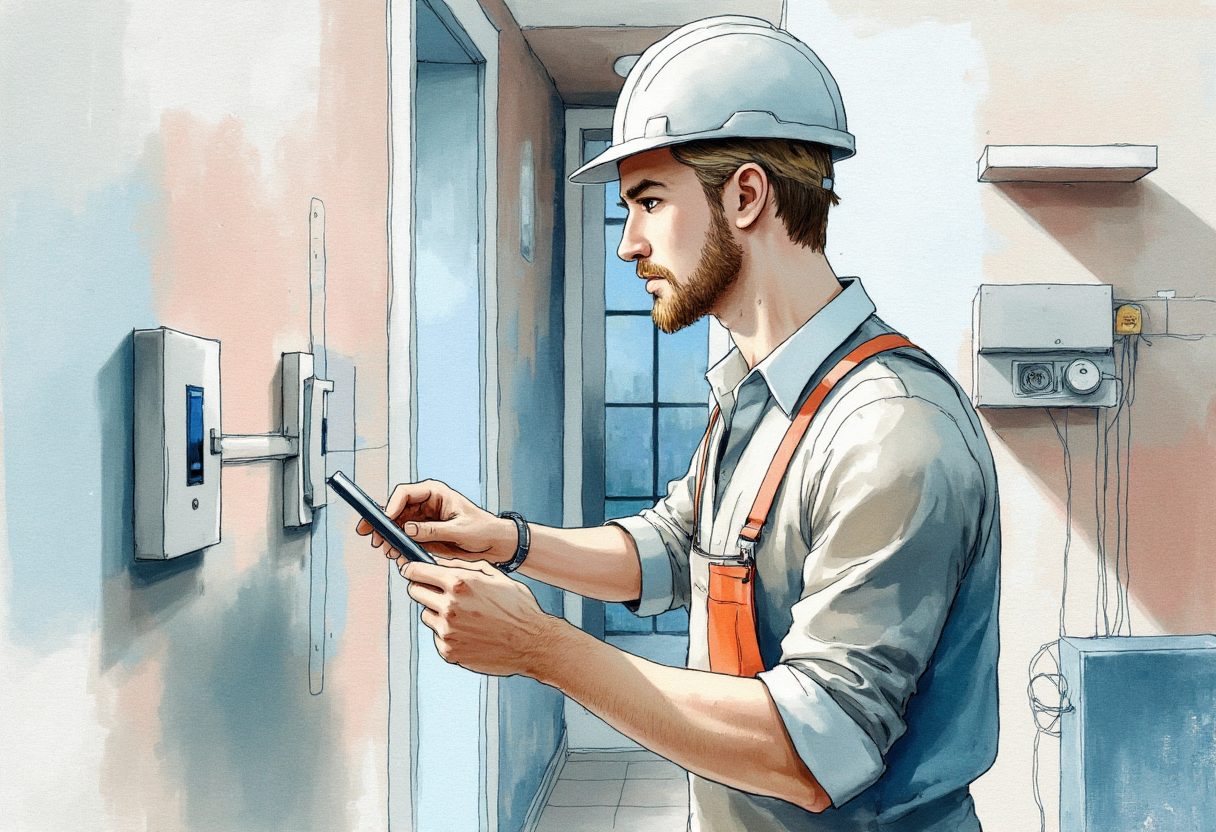
The next generation of electrical contractors is transforming their traditional business model by embracing smart home technology, according to Dan Ross, VP at smart home technology company Brilliant. This shift represents both a cultural change and a significant business opportunity in an industry historically focused on basic wiring installations.
The New Face of Electrical Contracting
“Electrical used to be this very old school business of get in, put some wiring, and get out and never go back again,” Ross explains. “But there’s this new generation of electrician coming to market, which is the sons and daughters of the previous electricians, saying ‘we should really be doing more than just Romex.'”
According to Ross, these next-generation contractors recognize an opportunity to differentiate their services and increase profitability by incorporating smart technology installations. The profit potential is particularly compelling, Ross notes that margins on smart technology installations are “significantly higher than what they’re getting on other things they’re selling.”
Market Size and First-Mover Advantage
The scale of this opportunity is substantial, Ross argues. “If we look at the electrical channel, it’s at least 10 times larger, maybe 20 times larger than the low voltage channel,” referring to traditional smart home installers. This represents a massive untapped market of potential installers who already have the necessary licensing and customer relationships.
Ross points out that electrical contractors have a unique advantage: they’re typically the first trade professionals to enter a property. “They have that first interaction with the client and with the builder,” he says. This early access creates an opportunity to recommend smart technology solutions before other contractors are even on site.
The Business Case for Evolution
For electrical contractors, expanding into smart technology represents far more than a passing trend, it signals a fundamental shift in how they can grow and sustain their businesses. Ross emphasizes that offering smart home solutions allows contractors to capture higher profit margins on each project, but the benefits extend well beyond the initial installation. By providing connected systems, such as automated lighting, climate control, security features, and energy management, contractors create opportunities for long-term service agreements and ongoing customer relationships that generate recurring revenue.
This evolution also strengthens a company’s market position. Contractors who adopt smart technology demonstrate that they are forward-thinking and adaptable, qualities that appeal to both tech-savvy homeowners and commercial clients seeking future-ready properties. In an era where consumers increasingly expect their homes to be integrated with advanced technology, positioning a business as an expert in smart solutions helps secure a competitive advantage. Ross notes that as demand for seamless, energy-efficient, and app-controlled environments continues to grow, contractors who embrace this shift are not only meeting today’s expectations but also preparing their businesses for the next wave of innovation in the construction and electrical industries.
“It enables them for a higher profit per project, and it also helps them transition their company from an old school business to a new business of how they go to market and what their overall offering is,” Ross explains.
Looking Ahead: The Future of Electrical Contracting
While Ross acknowledges that this transition requires investment in training and new capabilities, he sees it as essential for long-term success. The electrical contracting industry appears to be at an inflection point where traditional skills must be augmented with new technology expertise.
As one example of this evolution, Brilliant has developed products specifically designed for electrical contractors, with simple installation processes that align with their existing skillsets. Ross says this approach helps contractors expand their services without requiring extensive retraining.
“Because of the simplicity of our solution, both from installation and setup, it is a good fit for the electricians,” Ross notes, highlighting how manufacturers are working to ease this transition for traditional trades.
Similar Articles
Explore similar articles from Our Team of Experts.


Perspectives, Market Analysis & Policy, Industry News, Residential Real Estate, Commercial Real Estate
St. Joseph’s housing market is using a state incentive program to address local housing shortages and support development, according to Kelly Ewalt, Development Director for the city, St. ...