
Every quarter, mortgage rate forecasts change. Every quarter, buyers who delayed purchases based on those forecasts find themselves no closer to the conditions they were waiting for. Accordi...

Modern Development Requires Community Buy-In: Why Talking to Neighbors Comes First

Written by:
Date:
22 Aug 2025
Share via Facebook

Share via Linkedin

Share via X

Copy to clipboard


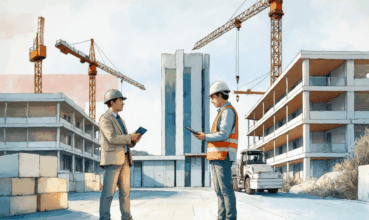
Veteran commercial real estate broker John Jay Schwartz, Managing Director of Have Site Will Travel – The Man With Square Feet, argues that local approval processes have fundamentally transformed real estate development, creating new complexities that demand a complete rethinking of project timelines and strategies.
The New Reality of Local Approvals
“If you’re talking about a transaction that requires any level of approval by authority, a locality, a neighborhood, we never had to do that before,” Schwartz explains, reflecting on his decades of experience in commercial real estate. “Yeah, we had to get construction permits… but today, you got to go through a lot.”
According to Schwartz, the days of straightforward permit approvals have been replaced by a complex web of stakeholder engagement requirements and multi-level approvals that can significantly impact project timelines and costs.
The Critical Role of Early Community Engagement
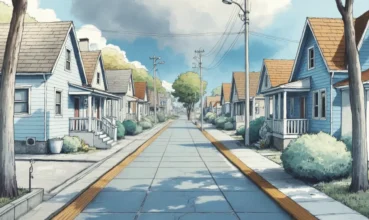
Schwartz emphasizes that successful development now requires extensive pre-purchase community outreach. “You’ve got to get to know them early on in the process, probably before you even buy the damn property or get control of the property. You got to talk to them and see what is it that they’re concerned about,” he says.
This shift represents a fundamental change in development strategy, where community buy-in becomes as crucial as traditional due diligence factors like location and market analysis.
He points out that successful projects now require coordination among an increasingly diverse group of stakeholders, from neighborhood associations to various government departments. This expansion of involved parties has made the development process more complex and time-consuming than ever before.
Solutions and Adaptations
In response to these challenges, Schwartz advocates for building strong relationships with real estate attorneys and local officials. “You’ve got to have really, really good real estate attorneys,” he says, noting that legal expertise has become increasingly crucial in navigating the modern approval landscape.
While these new hurdles make development more challenging, Schwartz maintains they aren’t insurmountable. “I’m not saying it can’t be done. It’s done every day,” he says. “But you better be ready for it.”
Similar Articles
Explore similar articles from Our Team of Experts.


Perspectives, Residential Real Estate, Commercial Real Estate, Industry News, Market Analysis & Policy
A dramatic migration pattern is reshaping the New York metropolitan area’s real estate landscape as residents seek more affordable alternatives to Manhattan and Brooklyn, according to ...