
The commercial real estate (CRE) industry is making significant advancements in the analysis and valuation of properties, as market pressures compel professionals to reevaluate long-standing...

Aligning Values with Returns: How Impact Investing is Changing Multifamily Real Estate

Written by:
Date:
22 Jul 2025
Share via Facebook

Share via Linkedin

Share via X

Copy to clipboard

The commercial real estate landscape has experienced significant shifts over the past few years, with rising interest rates and market volatility creating both challenges and opportunities for investors. Against this backdrop, a growing number of fund managers are discovering that purpose-driven investing doesn’t require sacrificing returns, in fact, it may enhance them.
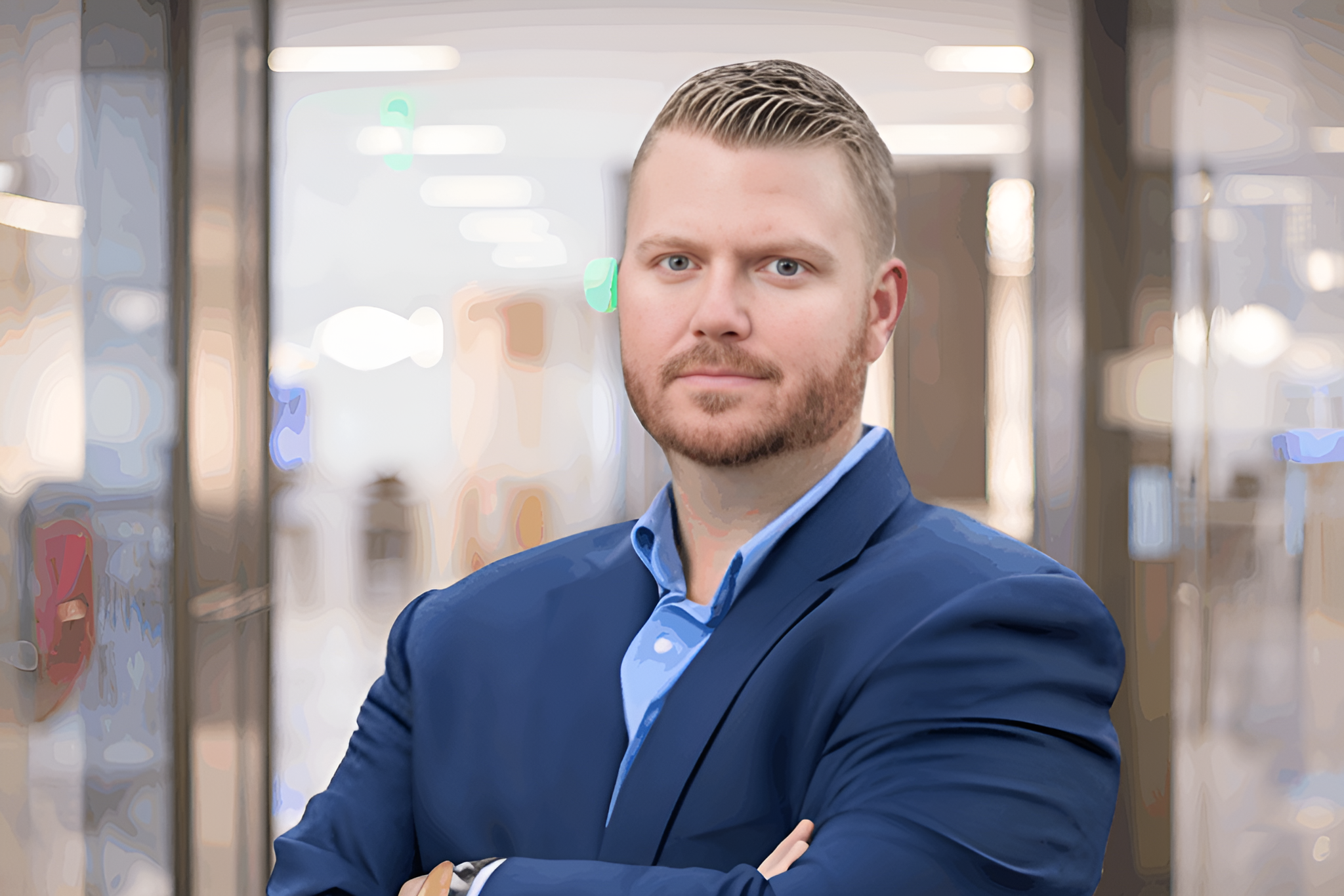
Steven Libman, Co-Founder and Managing Director at Integrity Holdings Group (podcast Investing with Purpose), represents this emerging approach to real estate investment. His firm has completed approximately $500 million in acquisitions while maintaining what he describes as “investing with purpose,” a philosophy that prioritizes tenant experience alongside investor returns.
From House Flipping to Fund Management
Libman’s journey into commercial real estate began traditionally. After graduating from Boston University in 2004, he became a real estate agent, then broker, flipping around 1,000 houses in New Jersey over several years. A mentor’s advice led to a pivotal shift: building three self-storage facilities totaling over 2,100 units of self-storage in Florida, managed and branded by CubeSmart. “That year, we legally paid no taxes because of depreciation.” This experience sparked the transition to commercial real estate. Over the past eight and a half years, Integrity Holdings has raised capital from a blend of accredited investors, family offices, institutional partners, and strategic capital partners, building a portfolio of several thousand units across the Sun Belt and Ohio.
Investment Strategy and Market Focus
Integrity Holdings targets “true workforce housing,” C+ and B-class multifamily properties serving teachers, firefighters, police officers, and other essential workers. The strategy avoids both D-class properties and luxury A-class developments, focusing on assets acquired below replacement cost and market rents. “We’re looking to buy things under replacement cost that’s under market value for rents where we could go in and put a CapEx plan in place,” Libman notes. The approach involves unit renovations and rent increases to 90-95% of market rates. “We like to stay a little bit below what market rents are… because we want to still create a high level of occupancy with a great value proposition to the tenants.”
This geographic focus on Sun Belt markets reflects broader demographic trends. “We’re specifically looking at geographic areas where there are businesses and economies and populations moving to,” Libman explains. He emphasizes the fundamental appeal of real estate investment: “What I love about real estate is that there really is nothing new under the sun…big fan of that country song, ‘buy dirt,’ and that’s what we do.”
Navigating Market Challenges
The past year and a half has brought significant challenges, with interest rates tripling and creating operational difficulties for multifamily operators. “Most multifamily operators have felt the pain over the last three years,” Libman acknowledges. However, Integrity Holdings positioned itself defensively. “We were fortunate to be thoughtfully positioned through that cycle, which—combined with some good timing—allowed us to avoid major exposure to floating-rate debt,” he explains. Some properties didn’t make preferred return distributions, allowing the firm to “insulate the current cash flow and preserve the capital inside of the project.”
This conservative approach is now creating opportunities as distressed assets come to market. Libman cites a recent acquisition: purchasing a property for $15 million less than its August 2022 price after the previous operator, new to the industry, couldn’t execute the business plan. “Those types of scenarios are starting to pop up in this market, and for those who have capital waiting in the wings to take advantage of it, then you could do so,” Libman notes. The firm uses creative strategies, including purchasing seven-figure rate caps to maintain cash flow stability.
The Impact Investing Philosophy
What distinguishes Integrity Holdings is its explicit focus on impact investing. “For us, we’re a big believer that you can align your core values with your investment thesis,” Libman explains. This philosophy emerged from Libman’s personal evolution: “When I started investing, I didn’t—I was chasing return on investment…But the more I dug into that, the more I realized that some of these investments…did not align with my worldview or my own personal core values.”
The firm operates as a Christian-owned business, though not all investors share this background. The key principle is that better tenant service should translate to better investment performance. “If we can serve people better than others are serving them, then we should have a better tenant base. We should have better payers. We should have less lease attrition.”
Practical applications include partnerships with local churches for free tutoring, creating temporary housing for battered women and children, and working with the Dave Ramsey organization to help tenants build financial literacy and save for home purchases. “Imagine what an apartment complex waiting list would look like if you were the last place somebody ever rented and you were teaching them financial principles so that they can go and change their own legacy to get into home ownership,” Libman suggests.
The firm also organizes investor service days, where capital partners visit properties to serve tenants directly. A recent event in Orlando featured bounce houses, face painting, and barbecues, with Libman’s CEO participating in potato sack races with children. “It was more than just, hey, we own this apartment complex. It’s we’re going to go serve those kids, we’re going to go serve those tenants.”
Addressing Impact Investing Misconceptions
A common misconception about impact investing is that it requires sacrificing returns for social good. Libman’s experience suggests otherwise. “Historical annual returns have averaged between 12% and 18%, prior to tax benefits,” he notes. “Wall Street did a terrible job of this, right? Because they made these ESG funds, and the ESG funds were returning 4, 5, 6 percent, but it was a feel good fund,” Libman explains. “Our historical returns demonstrate that you can pursue both impact and performance. Where some early ESG strategies underperformed, our approach focuses on operational excellence and tenant care to drive both strong returns and meaningful outcomes.”
The key insight: superior tenant service and community engagement can drive better operational performance, creating a virtuous cycle where social impact enhances rather than detracts from financial returns.
Market Outlook and Opportunities
Looking ahead, Libman sees significant opportunities emerging from current market conditions. Recent legislation restoring 100% depreciation for real estate starting January 2025 provides additional tax benefits, representing a 66% increase over 2024’s 60% bonus depreciation. “It doesn’t actually change our underwriting at all. It just is kind of the icing on the cake,” Libman notes.
“We’ve always had more deals than money, and we’re constantly looking for new investor partners and new capital partners to help us take down more deals,” Libman explains. “We’re seeing more deals than we can fund, which is great. That means we get to cherry pick the best ones.”
The firm has at least three acquisitions planned through year-end, including both loan assumptions and distressed acquisitions. Well-capitalized operators can acquire quality assets from overleveraged competitors. Regarding interest rate policy, Libman notes, “The bigger issue here is not just mortgage rates in the multifamily, it is really the debt ceiling for the United States. If we’re talking about lower rates so that we can actually make our debt obligations, it’s a much bigger macroeconomic issue.”
Building Community Through Investment
Beyond financial returns, Libman’s approach emphasizes building genuine community connections between investors and the people their capital serves. His podcast, “Investing with Purpose,” features current investors sharing their journey from traditional market investments to alternative real estate strategies. “It’s a misnomer for a lot of folks to think that the man on top of the mountain landed there,” Libman explains. “Most of them didn’t start as accredited investors, and they all have this aha moment of, ‘Oh, I want to invest into alternatives. How do I do that?'”
These stories show how individual investors can diversify beyond traditional markets while creating positive social impact. The podcast serves both educational and community-building functions, helping investors understand that alternative real estate investment is accessible to those willing to learn and engage.
The Path Forward
As commercial real estate markets evolve, Libman’s approach suggests the most successful operators may be those who recognize the connection between tenant experience and investment performance. Rather than viewing social impact as a constraint on returns, purpose-driven investing can become a competitive advantage.
“Without any margin, there is no mission,” Libman emphasizes. “So we can’t do the types of things that we want to do unless we’re making a good profit as well.” This balance between profitability and purpose may represent the future of institutional real estate investment, where financial success and social impact reinforce each other rather than compete.
For investors seeking alternatives to traditional market exposure, the Integrity Holdings model demonstrates that it’s possible to achieve strong returns while creating positive community impact. As market conditions continue creating opportunities for well-positioned operators, this approach may prove both financially rewarding and personally fulfilling for investors looking to align their capital with their values.
Steven Libman can be reached through Integrity Holdings Group and hosts the “Investing with Purpose” podcast, which features investor stories and insights into impact-driven real estate investment strategies.
Similar Articles
Explore similar articles from Our Team of Experts.