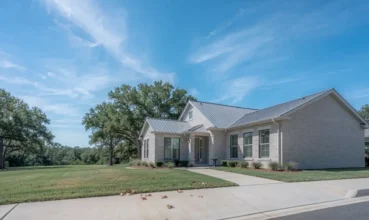
A federal property in Laguna Niguel, California received zero bids at auction due to historic preservation requirements, highlighting the complex challenges facing federal property disposal efforts, according to Public Buildings Reform Board Executive Director Paul Walden.
“The first time GSA tried to auction it, they got zero bids because of that historic preservation covenant,” Walden says, describing the property’s failed initial sale attempt. The building’s listing on the National Register of Historic Places created unexpected hurdles for potential buyers.
The Preservation Puzzle
The situation exemplifies a broader challenge in federal property disposal: balancing historic preservation with market realities. “The building, as it stands, has very little market value. It’s such an albatross of a building,” Walden explains.
The solution required direct engagement with preservation authorities. “What they did the second round was what they should have done the first time, they actually consulted with the historic preservation people,” Walden says. This led to a compromise where developers could demolish the building in exchange for preservation-related contributions.
Evolution in Sales Strategy
The experience has prompted changes in how federal properties are marketed. “We had advised GSA, use a broker,” Walden notes, particularly for properties with complex zoning or preservation issues.
This advice appears to be gaining traction. “Just a couple of months ago, GSA awarded a BPA, a blanket purchase authorization to some of the big commercial real estate firms in the country,” Walden says. “It covers everything – marketing, brokerage service, consulting, basically the whole gamut of real estate services.”
Staffing Realities
The shift toward using commercial brokers also reflects practical necessities. “GSA, they have lost a good number of staff, so it’s a manpower issue,” Walden explains. “They’re going to have to get outside support one way or the other.”
Beyond Preservation: Multiple Challenges
The Laguna Niguel case isn’t unique in facing multiple obstacles. Another property in Menlo Park, California has faced delays due to tenant relocation issues and unexpected environmental concerns. “Sometimes you have these unforeseen circumstances,” Walden notes.
Looking Forward
The board’s mandate has been extended through December 2026, allowing time to address these complex disposals. However, Walden emphasizes that successful property disposal often requires upfront investment. “It takes money to save money,” he says, citing costs for agency relocation and environmental remediation.
The future may lie in greater private sector involvement. “I’m hopeful they will start using brokers going forward to sell some of these complex properties,” Walden says, suggesting this could help navigate the intricate web of preservation requirements, environmental concerns, and market realities facing federal property sales.