Real estate investment performance is often determined long before construction starts or a property opens. While many developers focus on acquisitions, financing, or construction execution, the real difference between success and failure is whether a deal is properly validated before capital is committed. Early-stage assumptions about demand, cost, and performance frequently go unchecked—and those gaps tend to surface only after money has already been spent.
Wayde Elliott, Founder and Chief Visionary Officer at Wayde Elliott of StoreIt, highlights how misleading early confidence can be when it is not backed by structured analysis. His experience underscores a broader industry reality: many investment mistakes are not caused by bad assets, but by incomplete decision-making frameworks at the outset.
Intuition Over Analysis
Many real estate developers rely on intuition, timing, or early confidence when making investment decisions instead of structured feasibility studies. This creates a major blind spot, where deals appear attractive but have not been fully tested against real-world variables like demand, financing structure, and cost sensitivity.
Elliott reflects on this directly from his early experience: “I relied on my gut instinct… I didn’t model it out. I didn’t do feasibility.” Although those early projects succeeded, he now recognizes that they were shaped more by favorable timing than disciplined underwriting—masking the risks that only become visible when conditions change.
When Demand Is Assumed
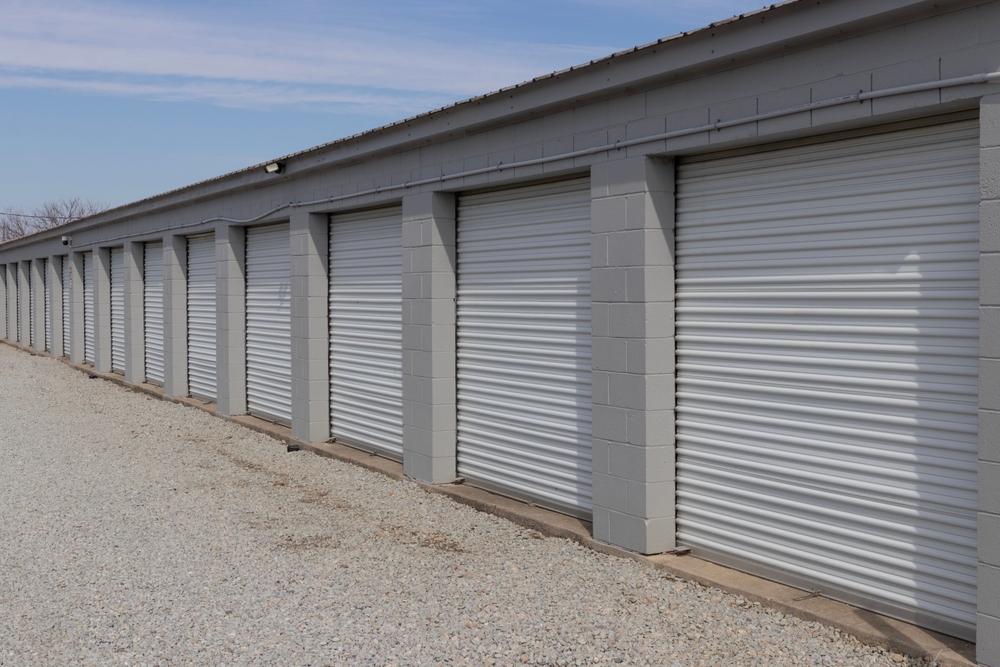
A common misstep in real estate development is assuming that strong historical performance in an asset class guarantees success in any location. In self-storage, this often leads developers to rely on broad industry trends instead of validating demand at the specific site level.
As Elliott notes, too many entrants move forward simply because “someone said storage is a good business,” without doing the deeper analysis required to confirm viability. His own firm now evaluates roughly 30 potential deals before selecting one, reinforcing the idea that demand must be proven—not assumed—before capital is deployed.
Advisors Reduce Blind Spots
One of the most overlooked risks in early-stage development is the absence of experienced professional input. Developers often underestimate how many issues only emerge when specialists review a project in detail, including zoning restrictions, construction costs, entitlement challenges, and legal structure risks.
Elliott emphasizes that these checks are now central to his process: “Make sure that you have a good model… good feasibility study… good advisors, an engineer, architect.” What once may have been optional support is now a core requirement for avoiding costly surprises and protecting investment outcomes.
Curiosity Protects Capital
Beyond technical underwriting, mindset plays a decisive role in investment success. Many developers fail not because they lack opportunity, but because they commit too quickly to deals they want to work rather than ones that truly pass disciplined review.
Elliott stresses that successful operators stay curious, ask more questions than they answer, and remain willing to walk away. “Be very curious… ask a lot of questions, and don’t let your ego get in the way,” he explains. This discipline—combined with selective deal-making—ultimately protects capital and improves long-term returns.
Looking Ahead
As real estate markets become more competitive and less forgiving, the margin for error in early-stage decision-making continues to shrink. What once passed as acceptable intuition-driven investing is increasingly being replaced by data-backed feasibility, disciplined underwriting, and professional oversight.
Elliott’s experience reflects a broader shift in the industry: long-term success is less about identifying “good” asset classes and more about avoiding flawed assumptions before a deal is ever executed. In this environment, the operators who consistently win are those who slow down at the beginning—so they don’t pay for speed later.