In commercial real estate, the most expensive technology mistake isn’t buying the wrong system. It’s letting your vendors decide what you need. That is the core argument Bill Dou...

The Key Challenges Slowing Manhattan’s Retail Market Recovery

Written by:
Date:
17 Nov 2025
Share via Facebook

Share via Linkedin

Share via X

Copy to clipboard


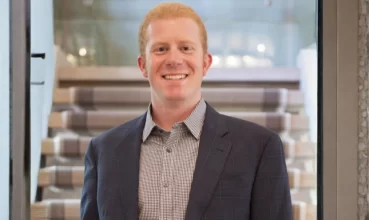
Manhattan’s retail leasing market is encountering major obstacles related to lease securitization, according to Peter Weisman, Principal at Weisman NYC. In a recent interview, Weisman described how stricter requirements around guarantors, security deposits, and corporate structures are complicating tenant-landlord negotiations and causing deals to fall apart late in the process.
Securing retail space in New York City now frequently hinges on finding a qualified “good guy” guarantor. “Securing a space in New York City often requires a good guy guarantor, and if a good guy guarantor cannot be found, one that is domiciled and living in New York state, with assets in their own name that are worthy of the role of a good guy. Some owners I represent are hesitant to hand the keys to that tenant,” said Weisman, who works as both a commercial broker and Brooklyn landlord.
Landlords are increasingly cautious, demanding stronger financial backing before signing leases. This heightened scrutiny is a direct response to concerns about tenant creditworthiness and long-term stability.
Weisman pointed to several hurdles shaping today’s retail leasing environment, beginning with corporate structure concerns. Many tenants offer only a corporate signature, yet landlords remain cautious when those entities are shell corporations or single-purpose vehicles with little real value if a default occurs. This leads directly to heightened security deposit requirements. In the absence of a strong personal guarantor, tenants are often required to provide substantial deposits, typically in the form of a letter of credit, which is protected in bankruptcy proceedings in ways that cash is not. These issues contribute to greater deal complexity, with lease securitization often becoming the hardest part of the transaction even after rent, concessions, and operational terms have been settled.
International newcomers, particularly smaller European fashion brands, are feeling the brunt of these requirements. Weisman noted that brands outside major luxury groups are often unprepared for demands such as six to twelve months’ worth of security deposits. “Those groups are surprised when a landlord needs to hold six, eight, twelve months of security deposits,” he said.
Weisman recommends that tenants prepare early by gathering detailed financial documentation and learning New York’s specific requirements for guarantors and security deposits. Established companies with several years of tax returns and profit-loss statements typically have an easier time meeting these standards than newer entrants.
Weisman expects lease securitization to remain a central issue in Manhattan retail leasing as landlords continue to prioritize tenant financial stability amid ongoing economic uncertainty.
Similar Articles
Explore similar articles from Our Team of Experts.