

When the Wall Street Journal declared that Cape Coral had “the worst housing market in the United States,” local real estate veteran James Sommers, leader of James Sommers Team, saw some...

UK Logistics Development Faces Delays and Power Constraints as Market Cools

Written by:
Date:
25 Nov 2025
Share via Facebook

Share via Linkedin

Share via X

Copy to clipboard

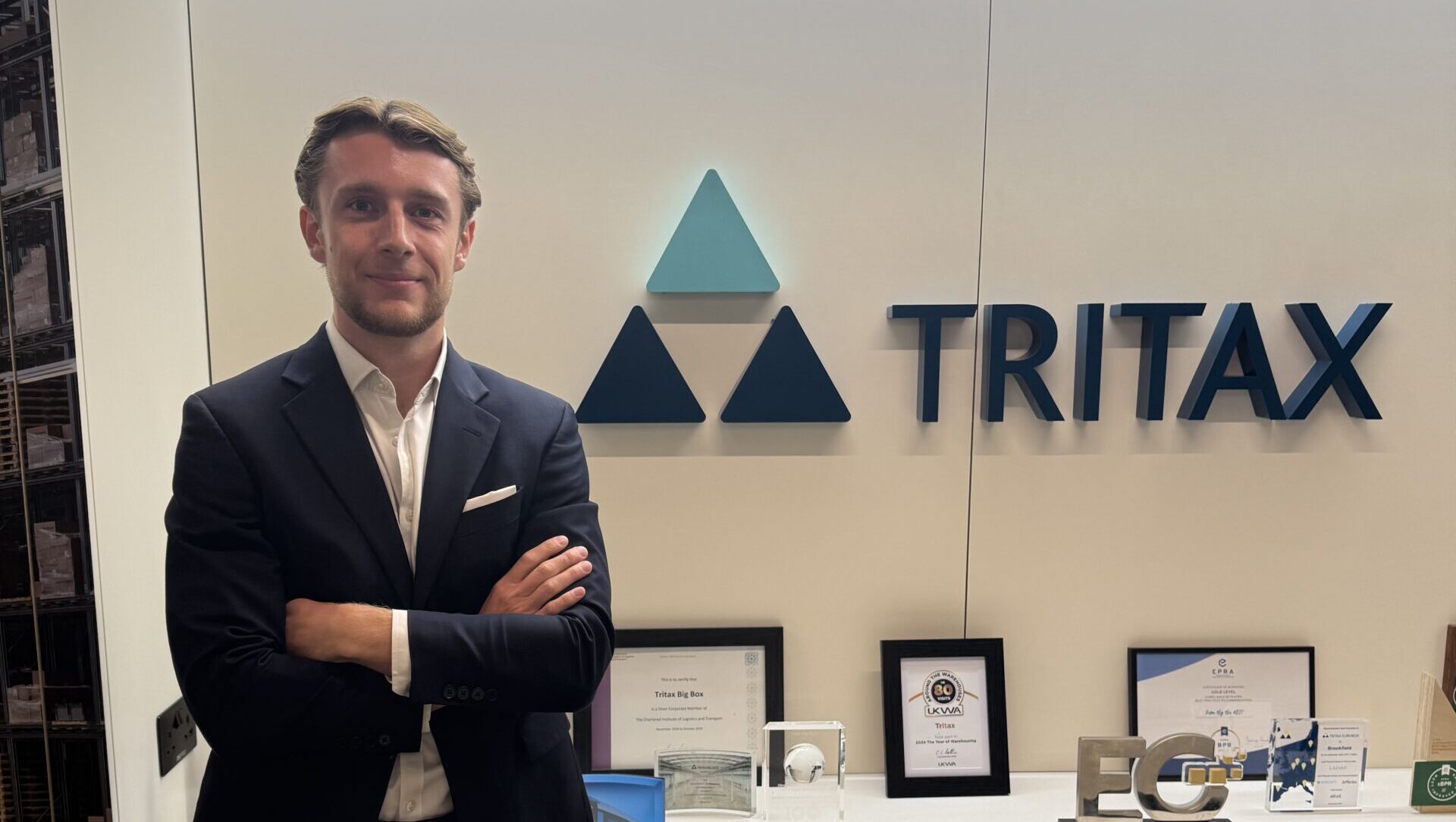
The UK logistics sector is adjusting to a new phase of slower, more selective growth, following the rapid expansion seen during the pandemic. Developers now face significant challenges from planning delays and power infrastructure constraints, forcing a shift in how projects are evaluated and delivered.
From Pandemic Surge to Market Slowdown
The logistics development market has changed sharply since its pandemic-era high. Will Broadhurst, Senior Development Manager at Tritax, describes joining the sector in September 2021 at a time of exceptional demand. “I came into the market at a point where it was reaching its absolute peak,” Broadhurst says. With Covid keeping people at home and boosting online shopping, companies sought to onshore storage and distribution, and available logistics space became scarce.
This environment led to steep rent increases and falling yields, with values rising almost monthly. Tritax was able to capitalize due to planning permissions secured in advance, enabling a strong speculative development push. However, by 2024, speculative development volumes had dropped to their lowest since 2014, reflecting a sharp slowdown from the frenzied activity of 2021 and 2022.
Planning Delays Stall Development
Today, the planning process is one of the biggest obstacles for logistics developers. Broadhurst notes that if industry leaders could change one thing, it would be to speed up planning approvals.
“It’s certainly becoming more challenging across the country and slower during the planning process,” he says. Many public bodies and statutory consultees are under-resourced and underfunded, leading to delayed responses on planning applications.
At Tritax Park Newark, Broadhurst is overseeing a multi-phase scheme that includes a 400,000 square foot speculative unit and a planned 970,000 square foot expansion.
Market Conditions Redefine Development Economics
The favorable market dynamics of 2021-2022 have given way to a more challenging environment for speculative projects. While those years saw record demand and yield compression, the market has since normalized and costs remain high.
“Following the very successful period of 2021 to 2023, yields have since contracted out, and build costs have stayed very high still,” Broadhurst explains. This makes it difficult for many developers to secure funding for speculative projects, leading to a sharp drop in speculative activity across the sector.
Tenant Demands Drive Facility Upgrades
Despite these headwinds, tenant requirements are evolving, especially around sustainability and modern facility standards. Tritax works with major retailers such as Tesco, Sainsbury’s, and Co-op on cold storage projects, where sustainability targets are driving the need for new or upgraded facilities.
“There are lots of facilities which some of these big customers own which are 25-30 years old, and they’re looking to upgrade,” Broadhurst says. “It’s quite hard to hit their sustainability targets within older buildings, so it requires them to take new space.” This focus on sustainability and modernization creates opportunities for developers with Grade A, energy-efficient properties.
International Investment Intensifies Competition
The UK logistics market remains attractive to overseas investors, with international investment reaching £4.4 billion in 2024. This influx is bringing new players into the market and raising competition.
“We are seeing international investment, and we are seeing several international developers who are big names in Europe and also America looking to expand their operations within the UK,” Broadhurst says. The result is a more crowded field for land and development opportunities.
Golden Triangle Retains Its Strategic Edge
While there is growing interest in regional markets, the Midlands’ Golden Triangle remains the prime location for logistics due to its ability to reach most of the UK population quickly. The region’s central position and motorway access make it the preferred choice for many occupiers.
“The Golden Triangle for logistics is so key because it allows customers to reach the largest percentage of the UK population within a few hours of drive time,” Broadhurst explains. This geographic advantage continues to drive the highest take-up volumes, though regional sites can offer better returns if local land costs and supply conditions are favorable.
Outlook: Steady Demand, Selective Growth
The outlook for UK logistics development is cautiously optimistic, but heavily dependent on broader economic conditions. A return to higher speculative development will require more favorable market dynamics, particularly in terms of UK economic performance and gilt yields.
“Resurgence in spec development will be heavily dependent on market conditions, and that’s also heavily dependent on what happens in the UK economy,” Broadhurst says. Political stability and falling yields could help unlock new development, but for now, developers are taking a cautious approach.
Broadhurst advises international entrants to study the UK’s planning system and prepare for the complexities of site acquisition, permitting, and leasing. For those willing to navigate these hurdles, the long-term fundamentals remain strong. “As we modernize our economies, there will always be steady growth of online retail. With the growth of online retail, you’ll always need storage, and if you need more storage, that means there’s more development for logistics going on.
Navigating the New Normal
The UK logistics development sector is adapting to a landscape defined by longer planning timelines, power constraints, and more selective investment. While the extraordinary growth of the pandemic era has subsided, core drivers—e-commerce expansion, sustainability requirements, and international investment—continue to support long-term demand. Developers are responding by focusing on sites with secure power, modern facilities, and strategic locations, positioning the sector for steady, if more measured, growth as market conditions evolve.
Similar Articles
Explore similar articles from Our Team of Experts.