
“Today, it’s all done through email. Buyers are receiving these emails… it’s very inefficient, essentially spammy and chaotic,” explains Gary Kao, Managing Dire...

The Network Effect: How One Dallas Broker Builds Business Through Strategic Connections

Written by:
Date:
23 Feb 2026
Share via Facebook

Share via Linkedin

Share via X

Copy to clipboard

Commercial real estate is undergoing a significant change in how deals are sourced and closed. While new technologies promise faster lead generation, a growing number of professionals are returning to an older, proven method: cultivating business relationships that create long-term, compounding opportunities.
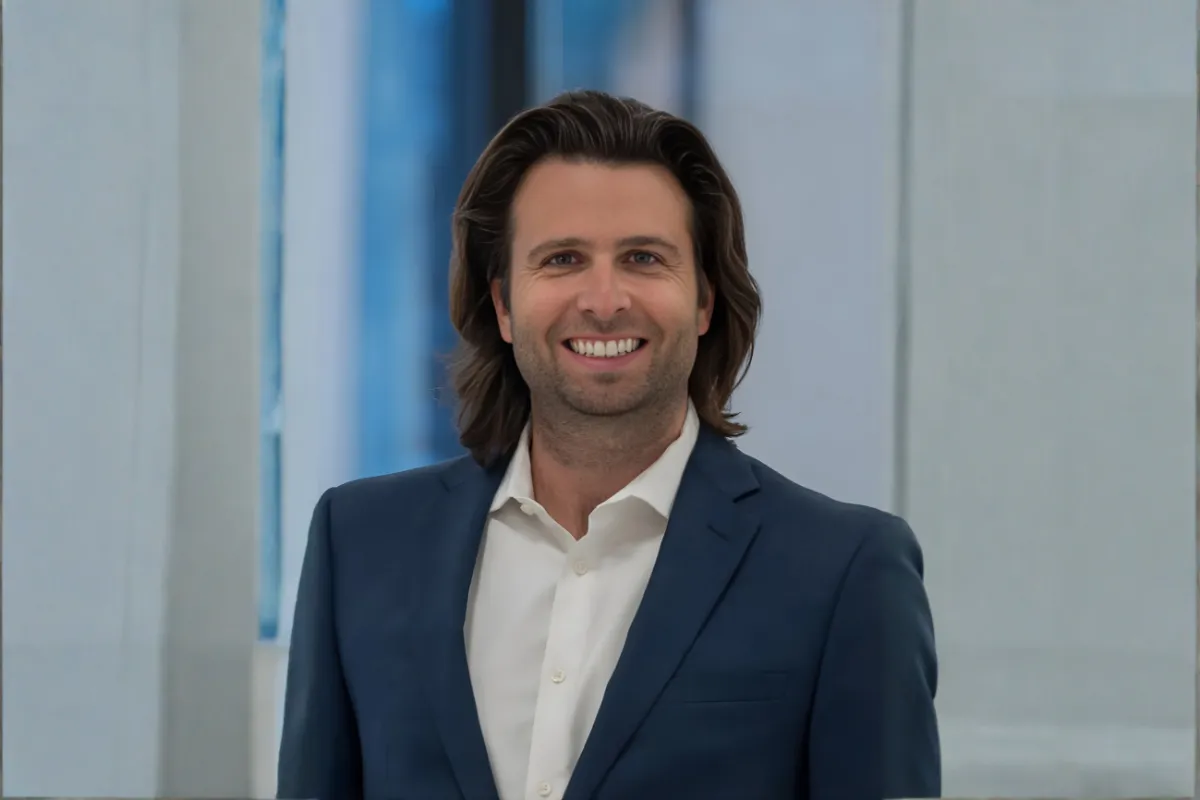
Joe Santaularia is one of those professionals leading this relationship-driven approach. As president of CORFAC International’s Dallas office and founder of a supply chain-focused business network, he has developed what he calls a “rolling network” of 800 professionals. This ecosystem generates business across multiple sectors, leveraging personal connections and digital tools to create a steady flow of leads and referrals.
“In the early days, sales is all about chasing your next deal,” Santaularia says. “But some people realize it’s about partnerships – finding vendors, customers, and clients you can help, and who help you in return.”
Expanding Beyond Traditional Brokerage
Santaularia’s business model stretches well beyond standard commercial real estate services. His firm, Bradford, operates both as a third-party service provider for about 60 landlords – handling office and industrial leasing, management, and construction – and as an investor, acquiring and repositioning distressed office buildings.
The investment arm targets underperforming office properties close to top-tier markets, aiming to upgrade them from C-minus to A-minus quality. Santaularia says this strategy typically delivers returns around 30%. By pairing service contracts with direct investments, the firm secures steady income while pursuing higher-yield opportunities.
What truly sets Santaularia apart, however, is the supply chain ecosystem he has built. This network brings together logistics providers, supply chain consultants, and industry specialists through regular calls, LinkedIn groups, and a structured referral process. The network is designed to match companies with complementary needs, often leading to larger, more complex deals.
Recently, Santaularia matched a logistics company seeking 200,000 square feet in Dallas with a shoe brand needing similar space. By combining their requirements, they could pursue a shared facility totaling 400,000–500,000 square feet, increasing negotiating leverage and efficiency.
From Cold Calling to Networking
The commercial real estate sector faces mounting pressure to adapt its lead generation strategies. The old model of cold calling – which Santaularia says once delivered one deal per 100 calls – has become far less effective.
“With COVID, things got a lot tougher for cold calling. It went from 100 calls per deal to 1,000, because people just aren’t in the office,” he explains.
As a result, many brokers and agents have turned to AI-powered tools for quick lead generation. Santaularia acknowledges the short-term value of these technologies but believes that strategic networking produces more sustainable results.
“What you do in your 20s feeds your 30s. What you do in your 30s feeds your 40s,” he says. “Networking is the better long-term approach because clients refer you to clients, so you’re not constantly scrambling for the next deal. But it takes time to build.”
Enhancing Relationships with Technology
Rather than using technology to replace relationships, Santaularia is focused on tools that make networking more efficient. His team has developed software that matches professionals within his network, sending each member three potential contacts per week based on their needs and business focus.
He contrasts this with traditional networking events, which often require significant time and expense with uncertain results. “Networking is usually about going to a bar or a conference and hoping to meet the right person. We’re aiming to make it more effective – three guaranteed meetings a week, without sacrificing time with family.”
So far, about 400 users have joined the software platform. Santaularia plans to expand it into a broader media platform that combines networking facilitation with industry news and advertising opportunities. The goal is to grow the network to 5,000–6,000 members while building a base of advertisers interested in reaching this targeted audience.
Adapting to Industry Challenges
Through his work at CORFAC International, Santaularia sees several key challenges facing commercial real estate professionals today. The most pressing is talent acquisition and retention. Firms struggle to design compensation packages that attract top performers and keep them engaged. Some professionals seek equity stakes, while others prefer traditional commission splits, forcing companies to rethink their structures.
Artificial intelligence is another major topic, but Santaularia notes that most attention remains on using AI for lead generation rather than improving operational efficiency or client service. The focus on quick wins reflects the urgency many firms feel as traditional methods lose effectiveness.
Market Activity Picking Up
Despite ongoing economic uncertainty, Santaularia reports a surge in industrial real estate activity as 2026 gets underway. He attributes this momentum in part to decisions that were delayed during recent tariff negotiations and broader market volatility.
“Deal flow on the industrial side really picked up starting January 1,” he says. “Some people are finally making decisions after waiting through all the tariff uncertainty. There’s a bit of calm, and it’s creating opportunities.”
He is also seeing increased interest from investors, with active discussions underway with family offices and high-net-worth individuals seeking to capitalize on these emerging opportunities.
Relationship-Driven Business at Scale
Santaularia’s model points toward a future where technology amplifies, rather than replaces, relationship-building in commercial real estate. His global network demonstrates how digital communication tools can expand reach, but personal trust and thoughtful connections remain central to success.
A recent example highlights this approach: Santaularia connected with a professional in Slovenia who runs a large e-commerce network. Through this contact, he was introduced to a logistics firm now seeking 100,000 square feet in Dallas-Fort Worth. This chain of referrals, made possible by his ecosystem, generated a cross-border opportunity that would have been impossible through cold outreach alone.
“If I wasn’t in both of those rooms, I wouldn’t have seen either transaction,” Santaularia says. “Networking turned two separate deals into something bigger, but it only happened because those relationships were in place.”
A More Sustainable Model for the Future
The commercial real estate industry is in a period of rapid change, with technology and economic forces reshaping how business is done. While AI and data-driven tools offer speed, Santaularia’s experience suggests that patient, relationship-driven strategies provide greater resilience and long-term growth.
His approach requires more time and effort up front, but it has produced an ecosystem where opportunities come from trusted referrals rather than constant prospecting. As more professionals recognize the limitations of quick-win tactics, models like Santaularia’s may become the standard for building sustainable, scalable businesses in commercial real estate.
Looking ahead, the most successful brokers and investors may be those who combine digital efficiency with the personal connections that have always formed the backbone of the industry. For Santaularia, the lesson is clear: in a world of fast-changing technology and market cycles, relationships remain the most valuable asset of all.
Similar Articles
Explore similar articles from Our Team of Experts.