

While short-term rental (STR) markets across much of the U.S. are cooling with falling occupancy rates and increased competition, Oklahoma is charting its own course. Driven by a mix of spec...

The Mindfulness Revolution in Real Estate: How 10 Minutes a Day Transformed One Team's Performance by 260%

Written by:
Date:
07 Jul 2025
Share via Facebook

Share via Linkedin

Share via X

Copy to clipboard

Real estate professionals have long embraced the mantra that “mindset is everything,” yet few have discovered practical methods to actually develop the mental clarity and focus that drives exceptional performance. While industry coaches emphasize mindset, their solutions typically focus on increased activity—more calls, more doors, more hustle—rather than addressing how to cultivate an empowered mental state.
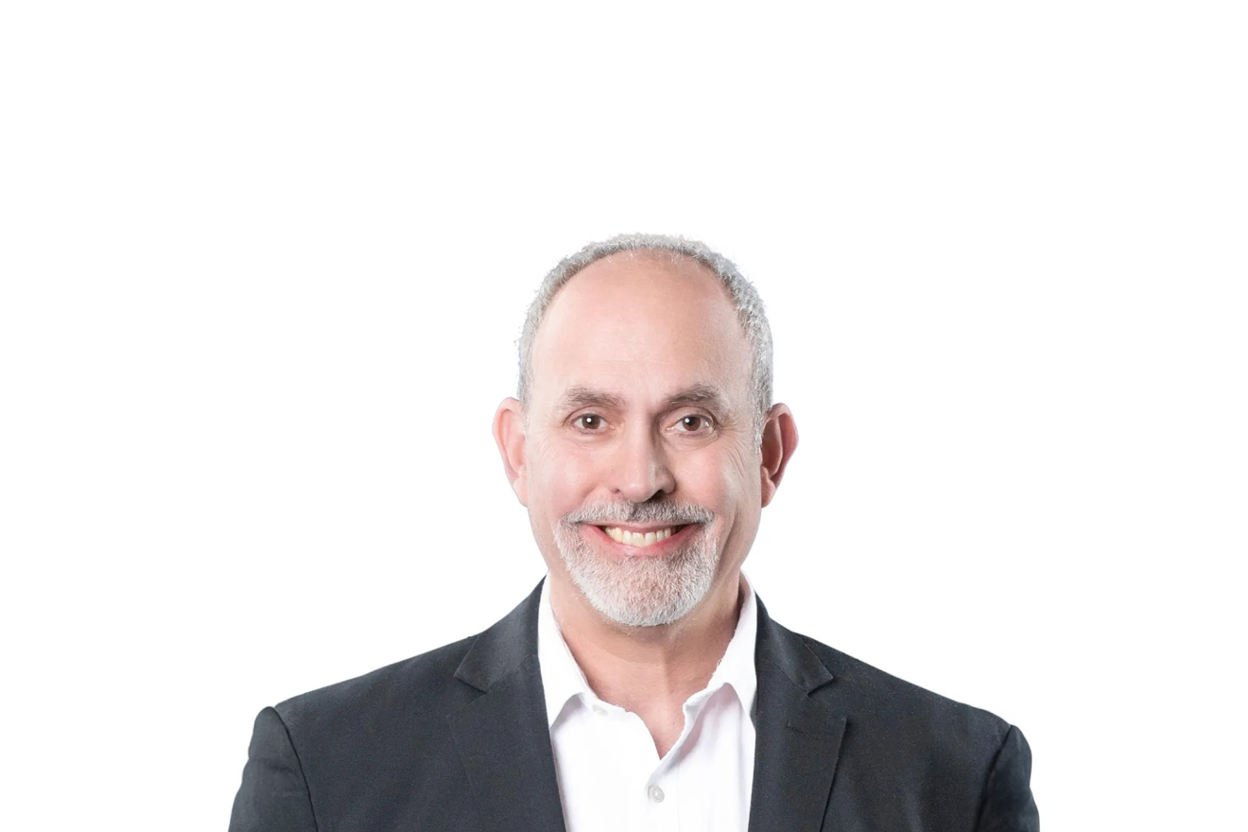
Aaron Hendon, Managing Broker at Christine & Company and founder of The Mindful CEO, has spent years bridging this gap through his mindfulness training program for real estate professionals. His approach demonstrates that sustainable success comes not from working harder, but from training the brain to work more effectively.
“Everyone says mindset is the most important aspect, it’s what tells you whether or not you’re going to act at all, and it gives you the quality of the actions you take,” Hendon explains. “But no one talks about how to get a mindset that works, how to develop a powerful, empowering mindset. I think that’s insane.”
Redefining Meditation for Real Estate Professionals
The challenge, according to Hendon, lies in widespread misconceptions about meditation. When most people hear “meditation,” they envision sitting cross-legged in a dark room with incense. This perception creates a barrier for busy professionals who dismiss the practice as impractical or “woo-woo.”
“Meditation is not emptying the mind, and meditation is not sitting cross-legged on the floor,” Hendon clarifies. “You can meditate sitting in your car for five minutes before your next listing appointment. That’s meditation, and it will absolutely make a difference in your ability to get that listing because you’ll be more present, more aware, and better able to hear what the customer is saying.”
The science behind meditation’s effectiveness mirrors physical fitness. Just as diet and exercise physically transform the body, meditation creates measurable changes in brain structure. Regular practice grows the prefrontal cortex, the brain’s rational reasoning center, while thinning the amygdala, which governs fight-or-flight responses.
“You’re physically changing your brain, which changes your mindset,” Hendon notes. “You get more brain cells that are thinking rationally and fewer brain cells that are afraid. That makes a difference when you pick up the phone.”
Measurable Results in Real Estate Performance
The impact of this brain training became evident when Hendon implemented his program with his own team. The results were so dramatic they initially seemed impossible to believe.
“We sold 260% more houses in the first quarter of 2025 than we did in the first quarter of 2024, and the market is not up 260% in my area,” Hendon reports. “Same people, same actions, no bold hundreds, no ‘let’s get on the phone and door knock this neighborhood.’ The only difference was everyone on the team was taking 10 minutes a day to meditate.”
Initially, the team attributed their success to market conditions, but Hendon discovered the market was actually flat. The dramatic improvement came from internal changes within his team.
“Nobody on the team has the experience of working harder,” he explains. “No one’s complaining about being busy or overwhelmed. We all thought the market was up, but the market’s not rocking, we’re rocking.”
The “How to Live a Grateful Life” Program
Hendon’s structured approach, titled “How to Live a Grateful Life in a F***ed Up Industry,” consists of nine weeks of mindfulness meditation training for real estate professionals. The program requires one hour per week of group instruction, combined with a daily 10-minute meditation practice.
Each week introduces a new meditation technique that builds upon previous lessons, creating a progressive system for developing mental focus and emotional regulation. The program addresses both practical aspects—how to fit it into a busy schedule, where to practice—and the deeper benefits of sustained practice.
“I’m committed to turning meditation from flossing, which is something people know is a good idea but don’t do, to brushing your teeth, where you wouldn’t miss it,” Hendon explains. “You don’t skip brushing your teeth. You bring your toothbrush in the car if you have to.”
Beyond Individual Performance: The Flow State
Participants in Hendon’s program report experiences beyond improved focus and reduced stress. Many describe entering what he calls “the flow,” a state where opportunities and connections arise naturally.
One participant shared her experience: “I was meditating first thing in the morning as usual, and I had this random thought like, ‘Wouldn’t it be amazing if the Treasure Davis team started using me for their commercial referrals.’ No joke, four hours later, I got a text from a broker on their team, who I’ve never met, sending me a commercial referral. No ask, no prompt, just pure alignment.”
While such synchronicities might seem coincidental, Hendon argues they are a predictable outcome of sustained mindfulness practice. “When that happens to person after person after person, it’s not luck,” he observes. “There’s this thing called being in the flow, and that’s different than being on a roll.”
The distinction is crucial. Being “on a roll” suggests temporary good fortune. Being “in the flow” represents alignment with natural opportunities that arise when the mind is clear and receptive.
Training the Brain Like Training a Puppy
Hendon uses a metaphor to explain the meditation process: training the mind is like training a puppy. When puppies are placed in a box, they want to explore and escape. The trainer’s job is to gently but persistently return them to the box with kindness and patience.
“Your brain is like that when you first sit to meditate,” he explains. “It wants to chase thoughts, make lists, think about how uncomfortable you are. That’s fine, just put it back in the box. Come back to your breath. If you train a puppy with loving kindness and persistent training, you wind up with your best friend. If you don’t train it, you wind up with a dog that chases every squirrel.”
The same principle applies to mental training. An untrained mind constantly jumps from thought to thought. A trained mind becomes a reliable partner, capable of sustained focus and clear decision-making.
“I don’t know very many people who think their brain is their best friend,” Hendon notes. “But if you train your brain the way you train a puppy, you wind up with your best friend, something that’s there for you when you wake up in the morning.”
Challenging the Pressure Paradigm
The real estate industry has long glorified working under pressure, with many professionals claiming they “work better under pressure.” Hendon challenges this assumption directly.
“If I asked you whether you work better when you’re pressured, frantic, upset, and chaotic with a tight deadline, or when you’re calm, present, available, and easeful, no one would choose the chaotic option,” he points out. “When you say you work better under pressure, you’re really saying you’ve never learned how to produce results any other way.”
This insight strikes at the heart of industry culture. Hendon’s approach suggests peak performance comes not from manufactured pressure but from trained attention and emotional regulation.
The meditation practice provides an alternative pathway to focus, one that doesn’t rely on external stressors. Instead, practitioners develop the ability to direct attention intentionally, regardless of circumstances.
Addressing Commission Breath and Authentic Service
One of the most practical applications of mindfulness training addresses what the industry calls “commission breath,” the subtle desperation clients sense when agents are overly focused on closing deals rather than serving client needs.
“If you’re at that listing appointment fully grounded in how great your life is and how much you want to be of service, without a hint of commission breath, just there to serve, and people can always recognize when it’s authentic, you get the listing more times than not,” Hendon explains.
This authenticity emerges naturally from regular meditation practice. When agents are less reactive to previous rejections and more present, they show up differently in client interactions. The desperation that drives commission breath dissolves, replaced by genuine curiosity about client needs and confidence in their ability to provide value.
“Human beings have mirror neurons where we can pick up on what the other person’s intentions are below conscious awareness,” Hendon notes. “When you’re authentically focused on service, people recognize you as a real human being, and they start saying yes to you.”
The Science Behind the Results
While the dramatic performance improvements might seem too good to be true, they align with decades of research on mindfulness and cognitive performance. Studies from Harvard, Stanford, Mayo Clinic, and other institutions have consistently demonstrated meditation’s impact on attention, emotional regulation, and decision-making.
The practice rewires the brain, strengthening neural pathways associated with focus while weakening those linked to reactivity. In a profession where success depends on relationship-building, communication skills, and emotional intelligence, these neurological changes translate into improved performance.
“This isn’t woo-woo,” Hendon emphasizes. “It’s science. It’s the way the brain works. There are stacks of studies since the 1970s about how mindfulness changes your ability to perform. It’s madness that our solution to doing more business is always ‘do another bold 100’ when you could do a bold 10 and get the same result.”
Looking Forward: Mainstream Adoption
Hendon believes the real estate industry is on the verge of a mindfulness movement similar to the fitness movement of previous decades. Just as jogging was once viewed with suspicion and weightlifting was associated only with bodybuilders, meditation is gradually shedding its esoteric image.
“In the 1960s, if you saw someone jogging, you’d think they were being chased because there was no frame for running as cardiovascular health,” he observes. “In the 1980s, if you saw someone lifting weights, you’d think they wanted to look like Arnold. Now old ladies do yoga. It’s just a framing issue.”
The current cohort of Hendon’s program includes 50 real estate professionals, and early results mirror previous groups’ experiences. As more agents discover the practical benefits of mindfulness training, the practice is likely to become as routine as other professional development activities.
For real estate professionals seeking sustainable performance improvement, the message is clear: the most powerful tool for success isn’t found in increased activity or external pressure, but in the trained attention and emotional regulation that comes from just 10 minutes of daily practice.
Those interested in learning more about Hendon’s approach can find information at TheRealtorsEdge.com, where his “How to Live a Grateful Life” program continues to transform how real estate professionals think about peak performance and sustainable success.
Similar Articles
Explore similar articles from Our Team of Experts.

Real Estate Investment, Residential Real Estate, Market Analysis & Policy, Industry Profiles, Top Articles
Long Beach Island, an 18-mile barrier island off the coast of New Jersey, is seeing home prices approach $2 million, nearly double what they were just a few years ago. This surge stands out ...