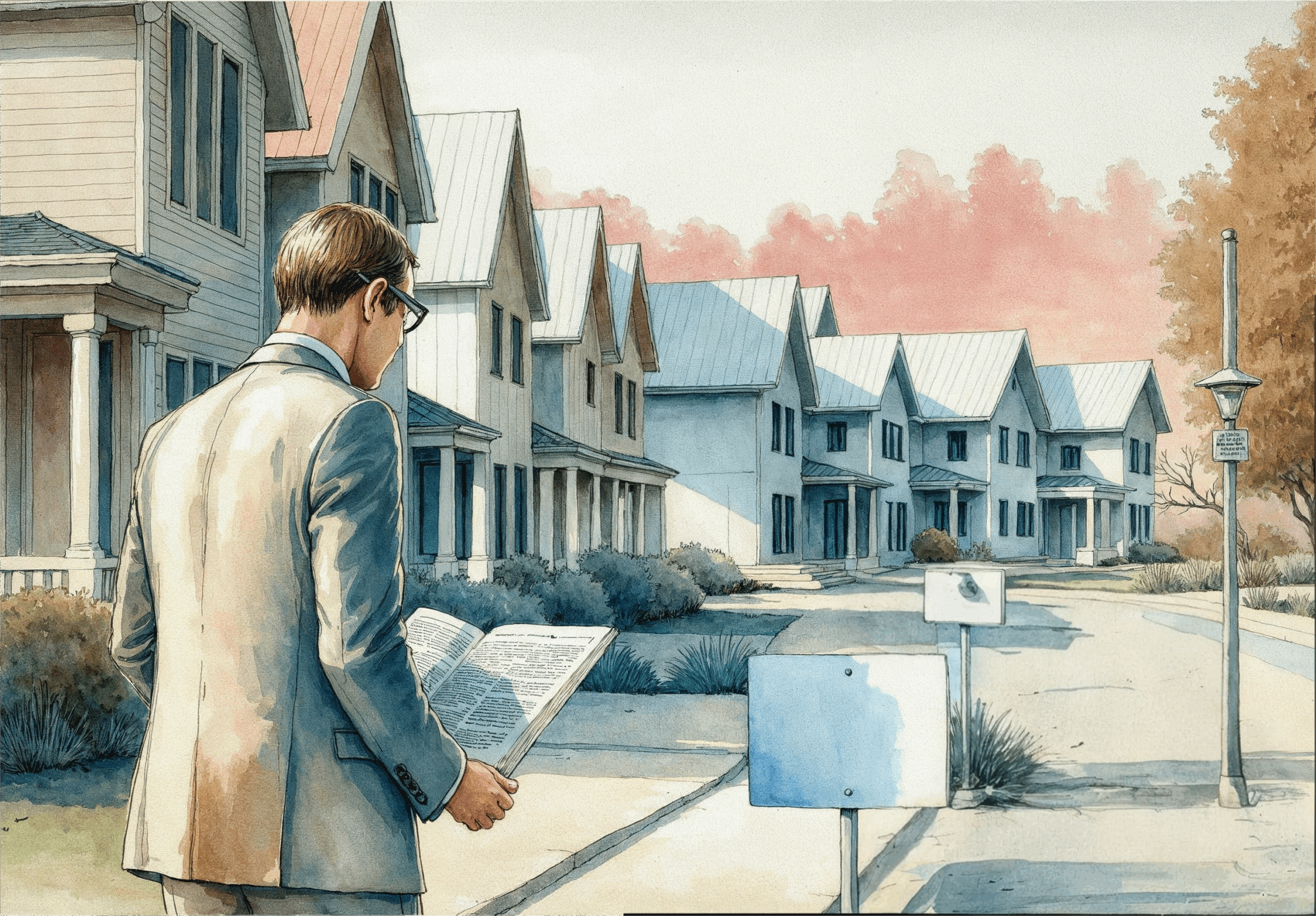
As the housing market moves through the second half of 2025, conditions remain stubbornly static. Demand for homes is still strong, but the number of listings has fallen to near-record lows. While rising interest rates have dominated headlines since early 2022, the forces keeping homeowners from selling run much deeper.
Higher insurance premiums, escalating property taxes, and uncertainty about whether current homeowners can afford or even find their next home have turned what used to be a fluid market into a standstill.
Even as borrowing costs show signs of easing, the added costs and lack of confidence remain large enough factors to keep many owners on the sidelines. The so-called “great housing holdout” has become one of the defining features of today’s market – a mix of financial caution and practical constraint that affects first-time buyers, downsizers, and investors alike.
The costs keeping sellers in place
Higher mortgage rates are part of the story, but they’re not the whole one. Many homeowners locked in historically low rates during the pandemic years, and moving now would mean doubling their monthly payments. Yet it’s the downstream costs that often seal the decision to stay put.
Scott Spelker of Coldwell Banker in Morris County, New Jersey, says sellers worry not only about higher payments but also about whether they can afford to buy someplace else. “Sellers are hesitant to sell because they don’t know where they would go,” he explains. “They are concerned that if they sell their home and can’t buy another right away, they’ll be caught in no man’s land.”
Reza Sardeha, CEO of Anyone.com, sees a similar pattern nationwide. “Beyond the mortgage math, the big listing deterrents are insurance and HOA sticker shock, tax lock-ins, and uncertainty about finding and insuring the next home,” he says.
In Florida and other coastal states, rising insurance premiums have made ownership more expensive and unpredictable. Repeated hurricane losses, higher reconstruction costs, and climate-related flood risk have driven major insurers out of many areas, leaving homeowners to choose between steep premiums and limited coverage through smaller or state-backed carriers.
Property taxes create another form of lock-in. Long-term owners often benefit from caps on assessed value that keep annual tax increases low. Selling resets those values to current prices, potentially raising a household’s property tax bill by thousands of dollars a year. Add in capital gains exposure for long-held homes, and even financially secure owners may find that moving simply doesn’t pencil out.
Together, these factors turn what looks like a strong housing market into one that feels frozen. The math isn’t just about interest rates: it’s about all the cascading costs that make staying put the safer, if less satisfying, choice.
A cautious fall for sellers
Still, some signs point to movement, though any rebound may be short-lived. Rachel Fiegler, co-founder of the Pinpointe Group in New York, expects a modest autumn bump in activity. “We’ll see a small increase in inventory and more realistic pricing,” she says. “Buyers will likely jump on turnkey homes, but by mid-November, it may cool again.”
That pattern underscores a larger point: homes that are ready to move into, priced fairly, and require little additional investment are the ones that continue to draw interest. Sellers who adjust expectations and offer small concessions – from minor upgrades to help with closing costs – are finding that buyers are still out there, just more selective.
All of these pressures add up to a market defined by restraint. Homeowners have more equity than ever but less flexibility to use it. The combined weight of higher borrowing costs, expensive insurance, and tax consequences has made staying put the default choice for many households.
That inertia ripples across the entire housing ecosystem. Tight inventory keeps prices elevated, discourages first-time buyers, and drives more demand into the rental market. Builders face higher costs, local governments collect less in taxes from home sales, and communities see slower turnover in housing stock.
Even if mortgage rates decline slightly, affordability and confidence will remain the real tests in the months ahead. Unlocking more listings will depend not only on lower financing costs but on practical solutions to insurance availability, tax policy, and the broader cost of living. Until then, the great housing holdout looks set to continue, shaped less by interest rates than by the everyday math of risk and reward.