
Transaction volumes are up, but capital markets remain cautious. Discover why this creates the perfect storm for fundamental industry change. Commercial real estate closed 2025 with transact...

The Geopolitical Pause Button: How Ultra-Luxury Real Estate Markets Are Weathering Uncertainty

Written by:
Date:
29 Sep 2025
Share via Facebook

Share via Linkedin

Share via X

Copy to clipboard

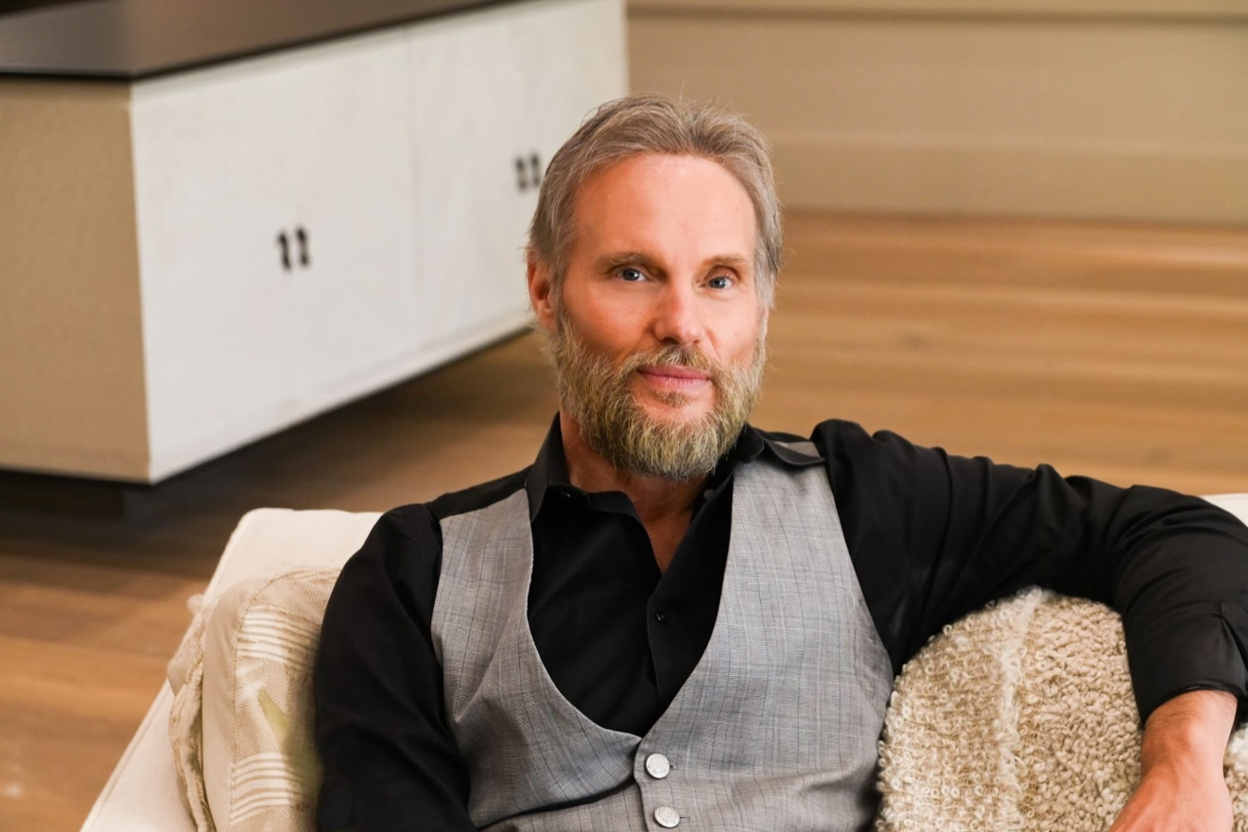
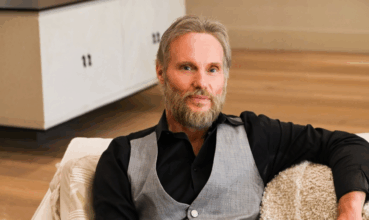
The ultra-luxury real estate market in Southern California is experiencing what Jeff Biebuyck, founder of Frontgate Real Estate and a top 1% nationally-ranked team leader, calls “a geopolitical pause button.”
With over two decades of experience serving celebrities, athletes, and high-net-worth clients in Hidden Hills, Calabasas, and Malibu, Biebuyck provides insights into how global uncertainty is changing buyer behavior in the luxury market.
The $10 Million Price Drop That Signals Something Bigger
When a $30 million newly constructed property in one of Southern California’s most exclusive markets drops to $20 million, it sends ripples through the entire luxury sector. “That alone right there, $10 million differentiator, that was like, okay, something’s going on,” Biebuyck explains. This price adjustment reflects a trend he’s observing across luxury markets nationwide.
The pause isn’t about traditional real estate factors like interest rates or mortgage availability – ultra-high-net-worth buyers typically purchase with cash. Instead, it stems from something more fundamental: global uncertainty and the wealthy’s natural inclination toward financial prudence.
“Rich people got there for a reason,” Biebuyck notes. “They have their money, and they’re not sure right now. Stock market fluctuations, geopolitical tensions – there’s just this hold until something gives, and no one knows what or when that will be.”
Luxury Market Reality Check: Down 60% and Adapting
The numbers tell a clear story. Biebuyck’s luxury-focused market has seen a 60% decline in activity, forcing even the most successful luxury-focused teams to adapt their strategies. His team has expanded from their traditional ultra-luxury focus to include properties starting at $1.5-2 million, capturing what he calls “forced moves” – transactions driven by necessity rather than desire.
“Whether it’s a mortgage coming up for renewal or relocation requirements, there are still transactions happening, but they’re different in nature,” he explains. This shift reflects a market reality where traditional luxury price points have compressed, and volume has moved to more accessible segments.
The adaptation strategy extends beyond price points. Frontgate Real Estate has grown from serving the ultra-exclusive Hidden Hills market to managing 60 agents across Los Angeles, demonstrating how successful luxury teams are diversifying geographically and demographically to maintain volume.
The Insurance Crisis Changing Luxury Real Estate
Beyond geopolitical uncertainty, luxury markets face an emerging crisis that’s altering property economics: insurance costs. Following the Palisades fires and other climate-related events, Biebuyck recently encountered a client paying $120,000 annually for fire insurance on a 15-acre property in a high-risk fire zone.
“Property taxes on that property are dwarfed compared to what they’re paying in insurance,” he observes. “When insurance becomes a bigger expense than property taxes, it changes the affordability equation, even for wealthy buyers.”
This insurance crisis isn’t limited to California. From Florida’s hurricane zones to Texas’s storm-prone areas, climate-related insurance costs are becoming a significant factor in luxury real estate decisions. The result transforms how buyers evaluate properties, with insurance costs now competing with location and amenities as primary decision factors.
Technology as the Great Equalizer
Despite market challenges, Biebuyck sees technology as a force that will change luxury real estate delivery without replacing the human element. “I think everyone’s always going to need real estate agents,” he emphasizes, “but the ones that learn technology and learn how to scale with it are going to do well.”
His approach focuses on using AI and technology as assistants rather than replacements. “If someone has a phone call, AI can listen to it, summarize it, determine next actions – almost like an AI assistant to help you move faster and more efficiently,” he explains.
This philosophy extends to client service in the luxury segment, where time is the ultimate commodity. Technology enables his team to operate more like concierges, providing the rapid, comprehensive service that high-net-worth clients expect.
Multi-Generational Living Drives Luxury Home Utilization
One unexpected trend emerging from recent years is how luxury homeowners are actually using their properties more intensively. “People are using a lot of these big houses now,” Biebuyck observes, citing several factors driving this change.
Adult children are staying home longer due to economic pressures, remote work has made home offices essential, and multi-generational living arrangements have become more common as families seek alternatives to expensive senior care facilities. “Instead of sticking parents in a home that’s almost unaffordable, you have a guest house or a section of the house where someone can stay.”
This shift toward utilitarian luxury represents a philosophical change in how wealthy buyers view their primary residences—less as trophy assets and more as functional family compounds that need to serve multiple purposes and generations.
The Relationship-First Business Model
In an industry often characterized by transactional approaches, Biebuyck’s success stems from what he calls a “relationship-first” model. “There’s no longevity in just transactional business,” he explains. “Do I stay on with them as a friend and consultant?”
This approach generates the 70-80% referral rate that sustains his business. Clients call him for everything from restaurant recommendations to dog walker referrals—a service philosophy that transforms real estate agents into lifestyle consultants and trusted advisors.
“We retain those clients, we retain those relationships. Those relationships always turn into referrals, and we work with their kids, their family members, their friends,” he says. This multi-generational approach to client relationships creates sustainable competitive advantages that technology and market changes cannot easily disrupt.
Looking Forward: When Will the Pause Button Release?
While Biebuyck cannot predict when the current market pause will end, he emphasizes that luxury real estate operates on longer cycles than other sectors. “Real estate is multi-generational. This is not startup speed,” he notes, referencing how the 2008 crisis took four years to present optimal buying opportunities.
For now, the luxury market remains in a holding pattern, with buyers and sellers waiting for greater clarity on global economic and political fronts. Those who do transact are driven by necessity rather than opportunity, and successful luxury professionals are adapting by expanding their geographic and price ranges while maintaining their relationship-focused service models.
The geopolitical pause button may be pressed, but the underlying demand for luxury real estate remains. When uncertainty clears, the professionals who maintained their relationships and adapted their business models will be positioned to capitalize on the eventual market recovery.
Jeff Biebuyck leads Frontgate Real Estate, a top 1% nationally-ranked team specializing in luxury properties in Hidden Hills, Calabasas, Malibu, and throughout Los Angeles. His team serves celebrities, athletes, and high-net-worth clients while pioneering relationship-based approaches to luxury real estate services.
Similar Articles
Explore similar articles from Our Team of Experts.