


The housing affordability crisis has reached a point where solutions can no longer come from traditional approaches alone. As Ian Cahoon, Director of Innovation at Ivory Innovations, observe...

South Florida Commercial Real Estate Navigates Climate Resilience and Development Pressures

Written by:
Date:
27 Nov 2025
Share via Facebook

Share via Linkedin

Share via X

Copy to clipboard

The South Florida commercial real estate market is experiencing a complex shift as developers and investors balance growing demand with climate resilience requirements and evolving regulatory frameworks. Recent market dynamics reveal both opportunities and challenges as the region adapts to new realities in development and investment patterns.
Climate resilience has become a central consideration in South Florida’s development landscape. The establishment of resilience trust funds marks a significant change in how municipalities approach long-term planning and infrastructure investment. These funds are designed to support projects that can withstand climate-related challenges while maintaining economic viability.
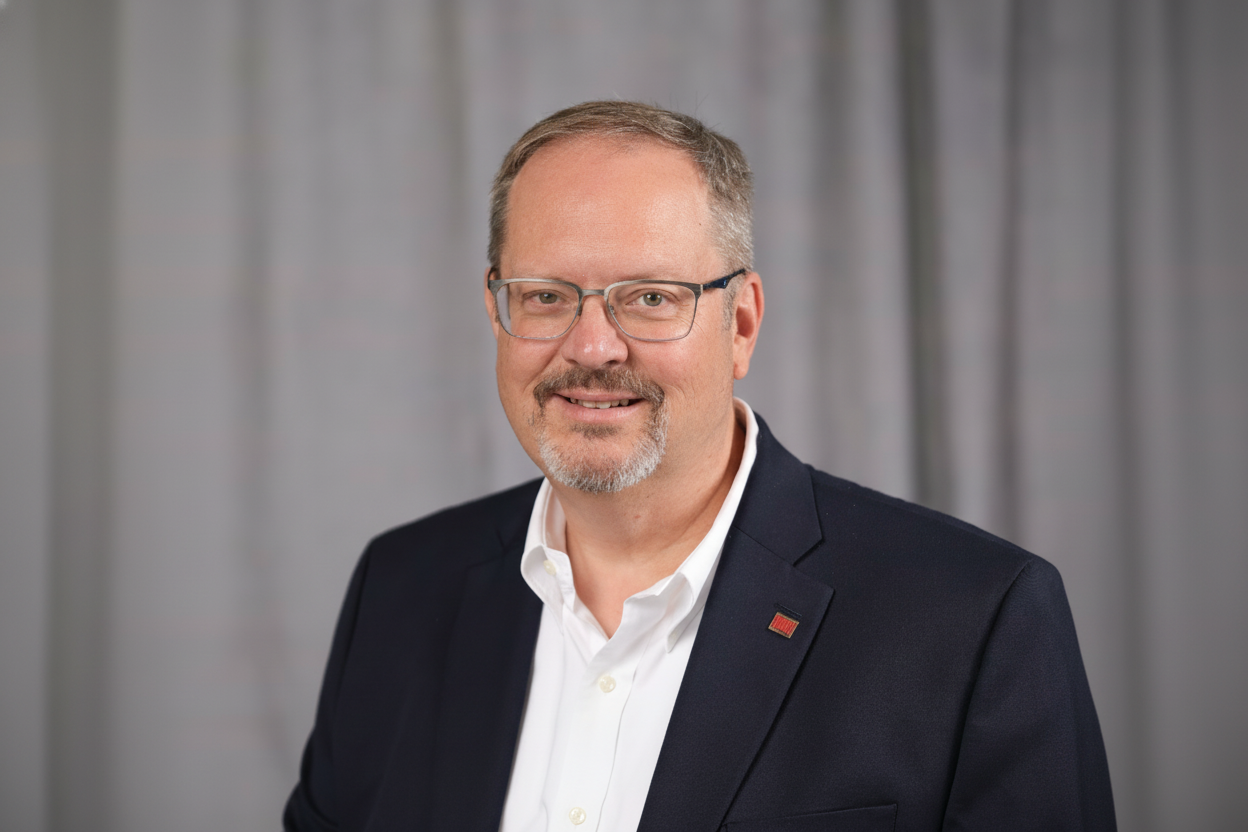
“We’re seeing a fundamental change in how development projects are evaluated and financed,” notes Michael Hinton, CCIM, Principal at Lee & Associates South Florida. “Climate considerations are no longer an afterthought—they’re integral to the planning process from day one.”
The Edgewater area exemplifies this progression, where new development projects must address both market demand and environmental considerations. The area has become a focal point for developers seeking to balance urban density with resilience planning, creating opportunities for innovative mixed-use projects that can adapt to changing conditions.
Regulatory Framework Evolution
Zoning appeals boards across South Florida are adapting their processes to accommodate new development models. The integration of climate resilience requirements into zoning decisions reflects a broader shift in municipal planning approaches. This change influences building heights, density allowances, infrastructure requirements, and environmental impact assessments.
The regulatory landscape is becoming more sophisticated, with zoning boards increasingly required to consider long-term climate projections alongside traditional development criteria. Developers face both challenges and opportunities as they navigate these evolving requirements.
Housing Demand and Market Dynamics
South Florida continues to experience strong housing demand driven by population growth and business expansion. This spans multiple market segments, from workforce housing to luxury developments, creating diverse opportunities for commercial real estate professionals.
The workforce housing segment has gained particular attention as municipalities seek to address affordability challenges. The Live Local Act has provided new tools for developers, though implementation varies across jurisdictions.
“The demand fundamentals remain strong across multiple segments,” Hinton observes. “The challenge is matching that demand with development opportunities that make financial sense in the current regulatory and economic environment.”
Investor interest remains high despite increased complexity. International investors view South Florida as attractive, though their focus now leans toward projects emphasizing long-term resilience and adaptability.
Development Cost Pressures
Construction costs continue to present challenges for developers. Material costs, labor availability, and regulatory compliance have combined to increase project costs compared to pre-pandemic levels.
These pressures are particularly acute for workforce housing, where developers must balance affordability with construction realities. Some are exploring vertical integration strategies to better control costs and timelines, though this requires significant capital investment and expertise.
Global supply chain disruptions and currency fluctuations also affect material costs and project timelines, requiring developers to build additional contingencies into their planning and financing structures.
Mixed-Use Development Trends
Mixed-use development is a preferred approach for many projects, offering the ability to diversify revenue streams and create resilient communities. These projects typically combine residential, retail, and office components that can adapt to changing market conditions.
Beyond financial considerations, mixed-use developments often align with municipal planning goals and can more effectively address climate resilience requirements through integrated infrastructure and design approaches.
However, these projects also present unique challenges in financing, construction sequencing, and long-term management. Developers must coordinate multiple property types and tenant categories while maintaining project viability.
Population and Business Growth Impact
South Florida’s population growth drives demand across commercial real estate sectors. New residents create demand for housing, retail, office space, and infrastructure, which must be managed in the context of climate resilience and infrastructure capacity.
Business growth, especially in technology and financial services, has created additional demand for office and mixed-use developments. Companies relocating to South Florida seek modern, resilient facilities that support long-term operations and appeal to employees.
The combination of population and business growth creates opportunities for developers who can deliver projects that meet evolving market demands while addressing regulatory requirements and climate considerations.
Market Outlook and Strategic Considerations
Looking ahead, South Florida’s commercial real estate market appears positioned for continued growth, though success depends on developers’ ability to navigate complex regulatory environments and deliver resilient projects. The integration of climate considerations into all aspects of development planning represents both a challenge and an opportunity for market participants.
Successful developers will combine market knowledge with technical expertise in resilience planning and regulatory navigation. The market rewards projects that demonstrate long-term viability while meeting immediate demand, offering opportunities for those with the resources and expertise to execute complex projects.
The evolution of South Florida’s commercial real estate market reflects broader trends in urban development and climate adaptation. As the region continues to grow and adapt, the most successful participants will be those who can balance immediate market opportunities with long-term resilience, creating value for investors and contributing to sustainable community development.
Similar Articles
Explore similar articles from Our Team of Experts.


Real Estate Investment, Residential Real Estate, Market Analysis & Policy, Industry Profiles, Top Articles
Jackson Hole’s real estate market operates on a different set of rules than almost any other in the country. With 97% of Teton County owned by federal, state, or local entities and most of...


Real Estate Services, Industry Profiles, Residential Real Estate, Market Analysis & Policy, Top Articles
While much of the national real estate conversation focuses on high interest rates and affordability concerns, Milford, Connecticut, is charting its own course. The coastal city’s housing ...

