The Bay Area’s commercial real estate lending market is undergoing a significant shift. Artificial intelligence companies are driving new apartment demand, while traditional office markets continue to face pressure. This divergence is creating opportunities for lenders and borrowers across the region.
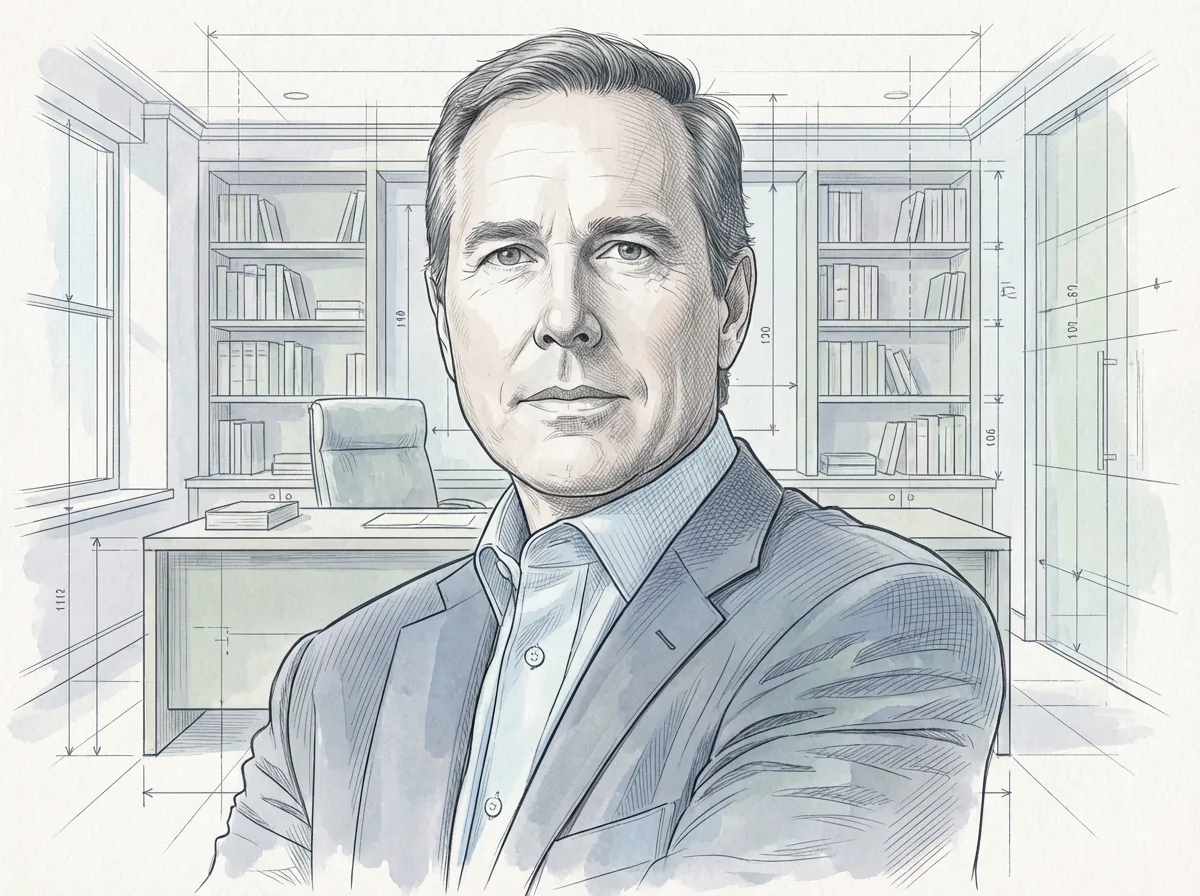
Marc Lipsett, Director of Loan Production at Walker Realty Capital, observes these trends from San Francisco. His firm focuses on small-balance commercial loans across California and Washington State, with apartments now representing most of their activity.
AI Employment Boosts Apartments
The rapid growth of AI companies is affecting both residential and commercial markets. Over 400 AI firms operate in the Bay Area, ranging from large corporations to small startups. This includes entrepreneurs and specialized firms relocating to capitalize on new opportunities.
Lipsett notes the trend firsthand. His son, a graduate student in San Francisco, recently found a roommate who moved from the Midwest to launch an AI startup. “Stories like this are becoming common, reflecting a broader shift in the city’s population and employment base,” he says.
Apartment occupancy has increased sharply. San Francisco rental rates are rising, reversing the post-pandemic softness. Nearby areas, such as Oakland, are also seeing reduced vacancies and stronger rent collections. Higher occupancy is driving new lending activity as property owners seek financing for acquisitions and refinancing.
Interest Rates and Borrower Behavior
Although interest rate movements attract attention, Lipsett emphasizes a more subtle change: borrowers have adjusted their expectations. Rates have slightly decreased from last year’s peaks, but the key shift is psychological.
“People are used to these rates now,” he says. “When I tell them six or under six, they’re very happy. Historically, 5% was pretty good.”
This mindset is supporting transaction volume. Many apartment loans feature an initial fixed period followed by adjustable rates. Borrowers are refinancing into longer fixed terms when available, fueling steady demand for both acquisitions and refinancing.
Banking Recovery Supports Lending
Recent banking sector turmoil raised concerns about credit availability. Lipsett clarifies that the issue was not poor loan quality but capital constraints tied to Treasury bond values. As interest rates rose, bond values fell, reducing banks’ available lending capital.
“Banks didn’t suffer from poor lending. The loans that went bad were securitized, not bank loans,” he explains. Regulatory limits also restricted lending temporarily.
After three years of rate increases, banks have recapitalized by retaining earnings. With stronger capital positions, many have resumed commercial lending, particularly for well-underwritten apartment deals. Borrowers now have more options, and competition among lenders is returning.
Office Market Remains Weak
In contrast, office markets remain under pressure. San Francisco has one of the highest remote-work rates in the country. While some offices see partial returns, overall demand is weak, creating a gap between pre-pandemic expectations and current realities.
Top-tier offices with strong amenities continue to attract tenants. A high-priced lease at the Transamerica Pyramid demonstrates that premium properties can still command strong rents, even as the broader market struggles.
Office pricing has declined sharply. Buildings that sold for $1,000 per square foot in 2019 now trade closer to $350 per square foot. Distressed sales are increasingly common, especially for older or less desirable buildings.
Distressed Assets Outside Cities
Other asset types also face pressure. Napa Valley vineyards, for example, are experiencing declining sales and lower valuations. Vineyard owners who once received strong offers now face reduced market prices.
This shows how location and asset type affect outcomes. Apartments in core markets are stabilizing, while specialized assets like vineyards and certain retail properties remain stressed.
Large vs. Small-Balance Lending
Distinctions between large institutional deals and small-balance lending are critical. High-profile distressed deals often involve aggressive loan terms, high loan-to-value ratios, and short maturities. Some borrowers surrender properties when equity is lost, redeploying capital into acquisitions at reset prices.
Small-balance lenders, like Walker Realty Capital, offer more conservative terms, limiting losses. Steady demand comes from borrowers seeking stable income and manageable leverage. This creates a split market: large, complex deals face more risk, while smaller borrowers remain active.
Outlook and Market Factors
Lipsett monitors Treasury yields, which benchmark most commercial loans. While some expect rate cuts, Lipsett doubts significant reductions due to the federal deficit and Treasury debt volume.
“It’s not possible for the Fed to meaningfully lower rates,” he says. “They can lower the Fed funds rate, but they can’t replace global Treasury buying.”
AI-driven apartment demand is boosting the market, while office and specialized sectors face headwinds. Success depends on understanding market nuances, asset types, locations, deal structures, and borrower profiles.
Advice for Real Estate Professionals
For agents, investors, and developers, headlines about office market distress don’t tell the whole story. Some sectors are thriving due to AI-related housing demand.
Professionals who understand these distinctions are better positioned to identify opportunities. Matching capital with resilient assets, structuring deals conservatively, and adapting to uncertainty will define success in the Bay Area’s commercial real estate market.
About the Expert: Marc Lipsett is Director of Loan Production at Walker Realty Capital, a San Francisco-based firm specializing in small-balance commercial loans. He advises investors and property owners on Bay Area commercial real estate, focusing on apartment financing, market trends, and strategic lending opportunities.
This article is based on information provided by the expert source cited above. It is intended for general informational purposes only and does not constitute legal, financial, or real estate advice. Readers should conduct their own research and consult qualified professionals before making any real estate or financial decisions.