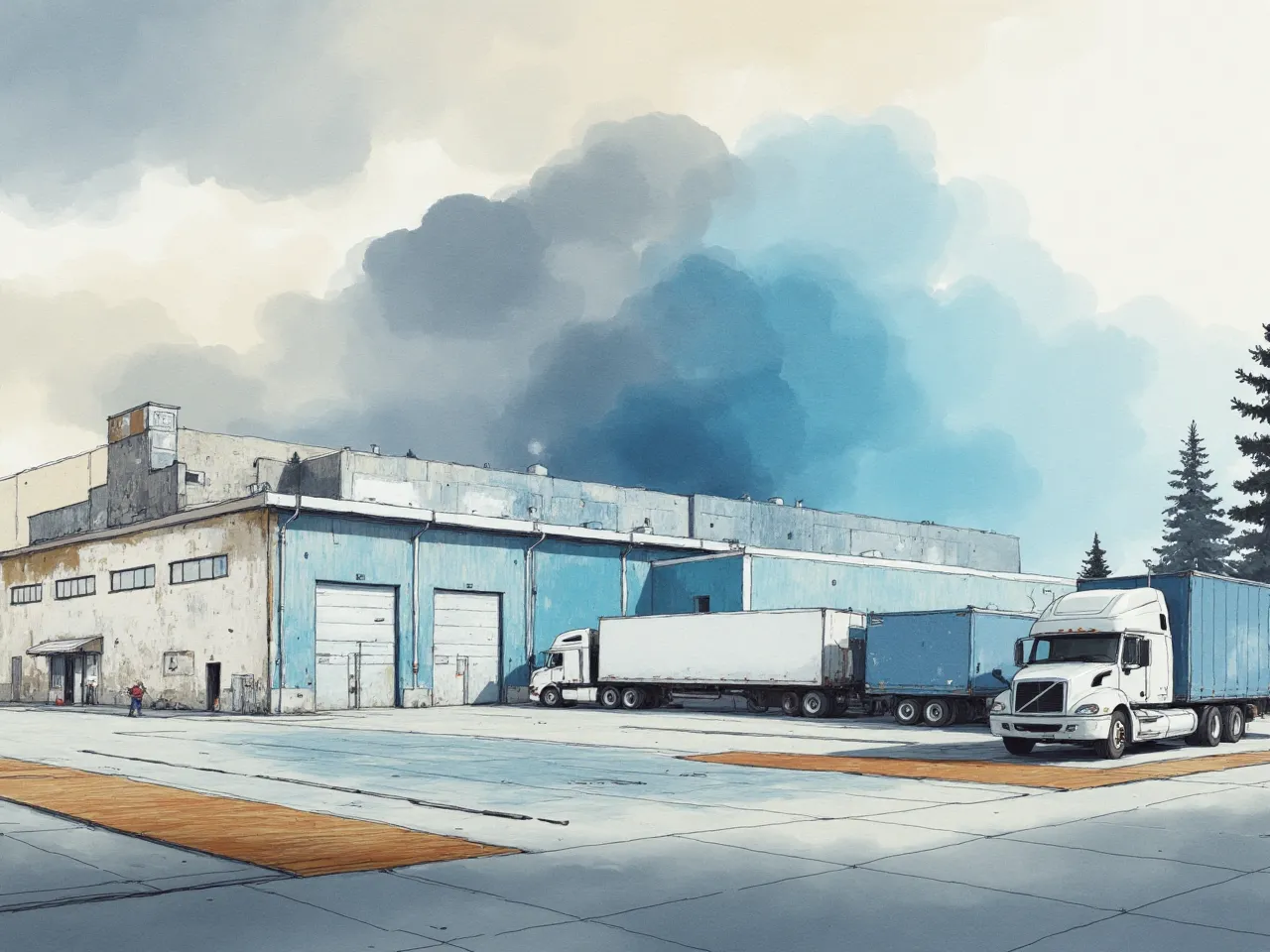
Industrial tenants across the Puget Sound region of Washington State are using the current market slowdown to target new Class A distribution centers at prices that reflect those of older, lower-quality properties. This strategy is meeting landlord resistance. According to Joe Scalzo, Principal and Broker at Neil Walter Company, in Washington State, tenants are increasingly seeking buildings with top-tier features such as higher clear heights, greater power capacity, and larger truck courts, but expect to pay rates typically reserved for aging inventory.
Tenants are leveraging the softer market to negotiate for premium space at steep discounts. “They try to lease a brand new building that should be $1.50 per square foot, and they think they can get it for $1.10 because the market’s sluggish,” Scalzo says.
This push for higher quality at lower prices has become more pronounced as the Puget Sound industrial sector has remained in a slump for approximately three years. Lease rates have dropped from their 2023 peak, and landlords are offering more concessions, primarily free rent. Expecting Class A space at Class B prices misunderstands the limits of landlord flexibility, Scalzo explains.
Building Age Widens Puget Sound Divide
The divide between older and newer industrial buildings in the Puget Sound region is widening as tenants become more selective during the downturn. Facilities built in the 1970s and 1980s are increasingly viewed as a separate class from modern distribution centers, with differences that extend well beyond cosmetic upgrades.
Over time, the gap between these building types becomes more apparent. “Buildings from the 70s and 80s are a different product compared to new distribution centers,” Scalzo says.
Key differences include clear height, which determines storage and racking capacity; power infrastructure, which affects what tenants can operate; and truck court layout, which affects how efficiently goods move in and out. These core features are difficult or impossible to retrofit into older properties, creating a fundamental divide in the market.
Some tenants are using the slow market to upgrade their facilities, but this is only viable when landlords are willing to accept below-market rents on new construction. In most cases, landlords prefer to offer concessions such as free rent rather than reducing base rates, allowing them to maintain headline lease rates for future valuations while providing tenants short-term relief.
Tenants Overestimate Puget Sound Discounts
The expectation that landlords will accept 25% to 30% discounts on Class A space suggests some tenants are misreading how long the current correction will last or how motivated landlords are to fill vacancies. While the Puget Sound market has been slow for three years, landlords are only now beginning to adjust their pricing expectations on asset sales. Most landlords are not in financial distress and are unwilling to accept deeply discounted rents.
“We’re starting to see more sale transactions as landlord expectations come closer to reality,” Scalzo says.
The standoff between tenant expectations and landlord willingness to discount limits deep deals to very specific situations, such as when a landlord has a vacant Class A building, limited financing options, and no other prospects. For most institutional owners with strong balance sheets, preserving lease rates takes priority over quickly filling vacancies.
Scalzo observes that there are more instances in a down market where tenants take advantage and upgrade. Scalzo adds that this is opportunistic behavior rather than a response to operational need. Tenants who can wait are using this period to secure better space, but those who need to move quickly may find expected discounts are not available.
Landlords Use Concessions Not Cuts
To meet tenant demands without undermining asset values, landlords are turning to concessions rather than rent reductions. Free rent is the most common concession, with some landlords offering several months of free rent to attract tenants to larger spaces.
Scalzo recently completed a 50,000-square-foot lease in Kent, Washington, with no vacancy gap between outgoing and incoming tenants. Scalzo credits this outcome to highlighting features such as fencing, end-cap positioning, and available yard space, demonstrating that well-located properties with strong features can avoid extended vacancies even in a soft market.
Most landlords are still encountering extended negotiations as tenants push for Class A space at Class B prices. This disconnect is producing longer deal cycles and sustained pressure on landlords to choose between holding firm on rates or waiting for market conditions to improve.
Neil Walter Expands During Slowdown
Despite the challenging leasing environment, Neil Walter Company is adding brokers and evaluating expansion beyond Washington State. With offices in Seattle and Tacoma, Washington and approximately 35 brokers, the firm is evaluating expansion into other West Coast markets.
Scalzo attributes Neil Walter Company’s strong performance during the downturn to local expertise and established relationships with landlords. The firm’s hiring and expansion plans reflect confidence that the current slowdown is temporary and that the market will rebound within the next two years.
Both Sides Must Reset Expectations
The standoff between tenants seeking discounts and landlords focused on protecting asset values is shaping lease negotiations throughout the Puget Sound, Washington industrial market. As more landlords align their price expectations with current realities, particularly in asset sales, some softening may continue in the near term. Most landlords remain unwilling to deeply discount Class A rents, relying instead on concessions to bridge the gap.
For tenants, the window to secure premium space at a discount may be narrower than expected. As the market recovers, landlords are likely to scale back concessions and hold firm on base rates, particularly for the newest and best-located assets.
The next 12 to 24 months will test how quickly landlords and tenants adjust their assumptions to the realities of a post-boom industrial market. Those with clear-eyed strategies, whether upgrading facilities or holding out for stronger pricing, will be best positioned as the market moves toward its next cycle.