A stark statistic reveals the depth of the housing affordability crisis in one Washington state community: among the entire City of Gig Harbor workforce, only five employees can afford to live in the city they serve.
“Very few people who work in Gig Harbor live in Gig Harbor. The city has only five employees that live within the city limits for reasons of affordability,” reveals Eric Baker, Community Development Director for the City of Gig Harbor.
The Housing Diversity Challenge
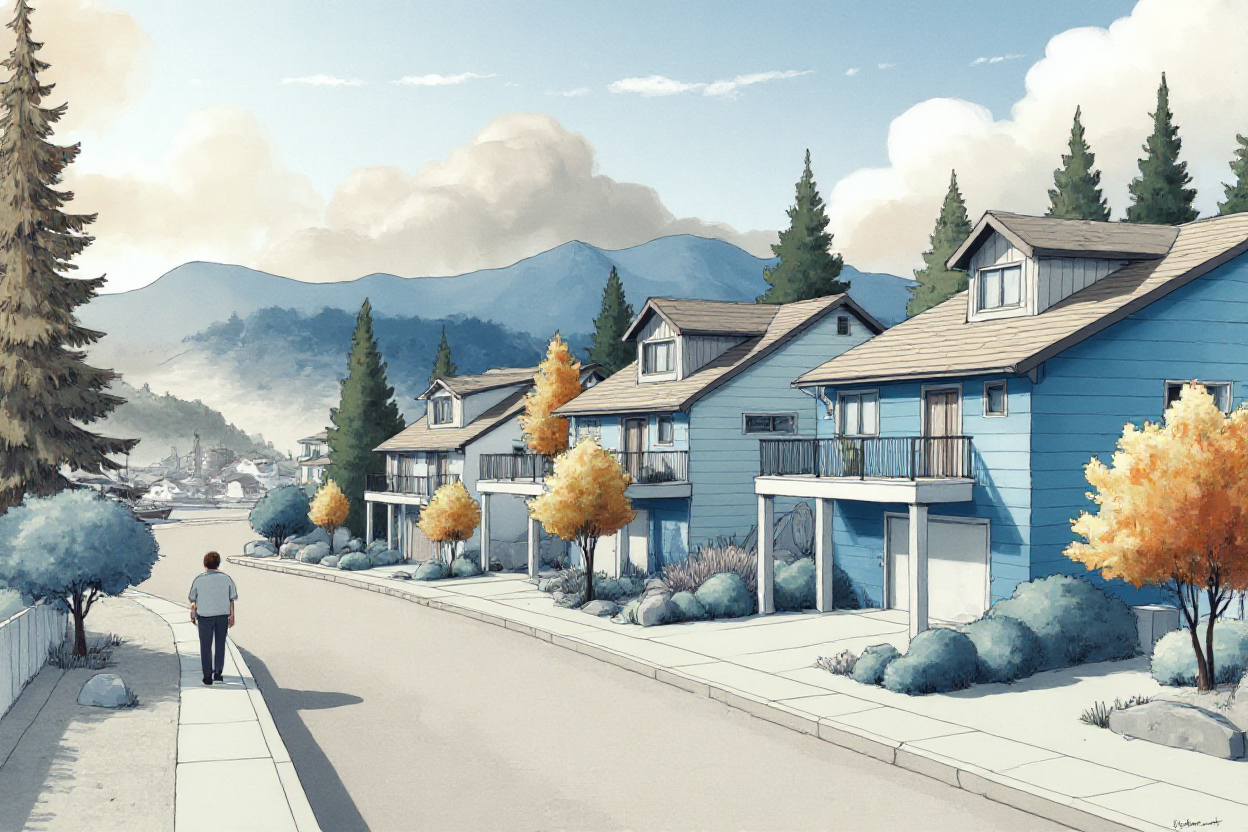
Baker argues this workforce housing crisis is just one facet of a larger housing challenge facing the community. The city, known for its large single-family homes, is finding that its current housing stock doesn’t meet the evolving needs of residents across different life stages and income levels.
“Eventually people can’t, even if they can afford to maintain their 3200 square foot view property, it is not necessarily constructed in a way that is up to their physical or mental abilities as they age,” Baker explains, highlighting how the lack of housing options affects even affluent residents.
The Income Gap Reality
The situation becomes even more challenging for lower-income residents. “What do we do about the people who are less fortunate, the people making 50% or less of annual median income – is Gig Harbor a place that those folks can find a home? And at this time, the answer is no,” Baker states.
Breaking Down Barriers
To address these challenges, Baker’s department is advancing a series of targeted initiatives. These include modifying zoning codes to make specific housing types more appealing, removing regulatory and policy barriers that hinder development, and creating opportunities for “missing middle” housing. The team is also exploring multi-family housing options in strategic locations to better align with evolving community needs.
Baker acknowledges that these changes face resistance. “We have a good number of individuals who are waiting with bated breath for those increased density opportunities,” he notes, while adding, “I’m going to be super popular in being the face of [these changes] for people who are not as excited about that.”
Looking Forward
According to Baker, the solution demands a multi-faceted approach that tackles several key housing needs: workforce housing that enables people to live near their jobs, options that allow residents to age in place within their communities, and affordable housing for lower-income populations. “We are working on how to modify our codes to make certain housing types more attractive,” Baker says, emphasizing the need to balance development with the preservation of community character, especially in historic areas. The city is also exploring tools such as public-private partnerships and strategic development zones to expand housing options while maintaining the integrity of its neighborhoods.