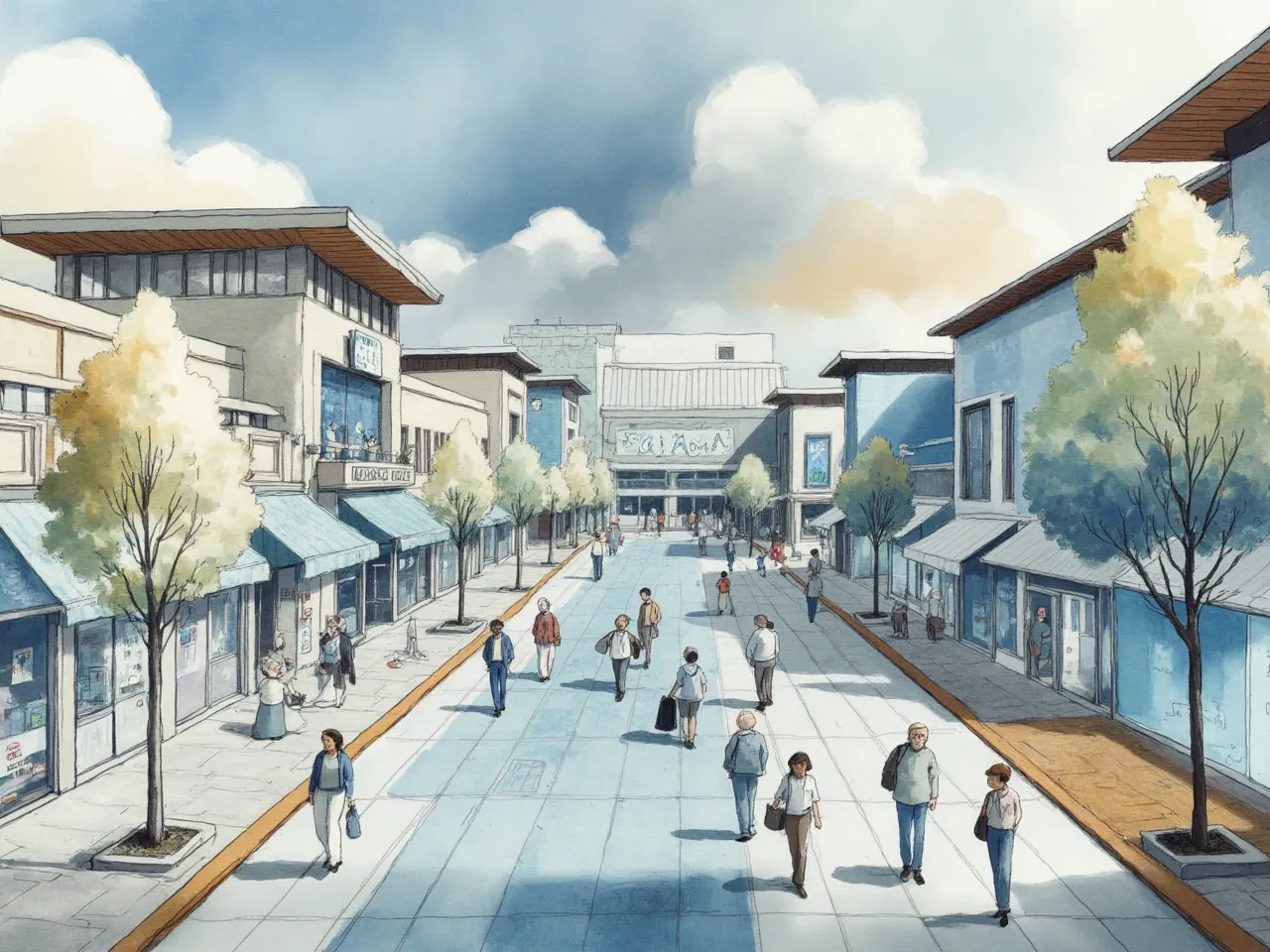
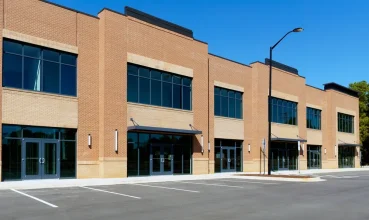
Across the U.S., retail real estate vacancy has climbed to 10.8%, reflecting struggling shopping centers, empty big-box stores, and landlords offering steep concessions to fill space. But in Lehigh Valley, Pennsylvania, the reality is the opposite. Vacancy sits below 5%, tenant demand is strong, and landlords are holding firm on rents.
“Retail is thriving here,” says Seth Lacey, Vice President of Retail at Colliers‘ Lehigh Valley office. He notes that current vacancy rates are the lowest he has seen in his career, with few empty storefronts and sustained interest from a range of tenants.
This contrast raises the question of whether retail’s challenges are universal or whether some regions are bucking the trend through local strengths. In Lehigh Valley, Pennsylvania, the “retail is dead” narrative does not apply.
Demand Outpaces Available Space
Lehigh Valley’s robust retail environment extends beyond essential services. Even full-service restaurants — often among the hardest hit elsewhere — are actively seeking new locations. Lacey is currently working with several restaurant groups eager to open or expand in the region.
He estimates that five to 10 sit-down restaurant groups are looking to buy or lease space locally, straining the available inventory. This strong demand, paired with limited supply, has tilted the leverage in favor of landlords. With so few vacancies, tenants have fewer choices, and landlords are less likely to offer major concessions. Still, Lacey notes that established national and regional tenants can negotiate favorable terms, but new or unproven operators face more scrutiny.
A slowdown in new retail development has widened this supply-demand imbalance. Rising construction costs and cautious lending have made developers reluctant to start new projects. Tenants seeking to enter the market must compete for a diminishing pool of existing space.
Mall Thrives Against National Trend
Lehigh Valley Mall, one of Pennsylvania’s largest, is a local bright spot amid a national landscape of declining malls. While many malls nationally are struggling with high vacancy and tenant turnover, Lehigh Valley Mall has added national tenants and maintains high occupancy.
Lacey notes the mall’s success stands in stark contrast to properties he has visited in Western Pennsylvania and West Virginia, where large portions of malls sit empty, and foot traffic has slowed dramatically. The difference, he says, comes down to demographics and location.
Lehigh Valley’s population has grown, fueled by migration from costlier urban areas since the pandemic. The region’s proximity to New York City and Philadelphia, along with strong transportation links, has attracted both residents and retailers seeking stable consumer bases.
Location and Affordability Drive Growth
Lehigh Valley’s retail resilience is closely tied to its location and affordability. The region sits about an hour north of Philadelphia and 90 minutes west of New York City, accessible via the Pennsylvania Turnpike (Route 476) and Route 78. This puts Lehigh Valley within reach of major metro populations while offering lower taxes and a lower cost of living than neighboring New Jersey or urban Pennsylvania.
The New Jersey border is 30 minutes away, but Pennsylvania’s taxes and housing costs are significantly lower, making the area attractive to families and businesses. The influx of residents from New York and New Jersey during the pandemic accelerated this trend, as people sought more space and affordability without sacrificing access to major job markets.
Industrial growth has also played a key role. Lehigh Valley’s location puts a third of the U.S. and Canadian population within a day’s drive, making it a logistics and distribution hub. This has brought new jobs and economic activity, further supporting local retail demand.
Navigating a Supply-Constrained Market
Colliers’ Lehigh Valley retail team works on both sides of the market, representing landlords and tenants in an environment where supply constraints drive nearly every decision. Lacey says the firm gets involved early, advising developers on achievable rents and tenant interest before construction begins.
Developers rely on Colliers to help underwrite new projects, ensuring that expectations around rent and tenant mix are realistic given current market conditions. For tenants, the challenge is finding space. Lacey’s team works with a mix of national, regional, and local tenants, but landlords tend to prefer proven operators with strong track records. New independent retailers face more hurdles in securing leases, as landlords prioritize stability.
The tight market has also changed the makeup of tenants. Medical groups, including large hospital systems, are increasingly converting retail properties into urgent care centers and outpatient clinics. This trend reflects both the scarcity of traditional retail space and the growing demand for accessible healthcare in the region.
Low Vacancy, No Relief Ahead
Lacey does not expect the supply-demand imbalance to resolve quickly. New retail construction remains limited, and most existing space is occupied, meaning vacancy rates are likely to stay low and landlords will continue to hold pricing power for the foreseeable future.
One development that could further strengthen the market is Eli Lilly’s planned $3 billion to $5 billion facility in Fogelsville, near Allentown. The project is expected to bring high-income jobs and population growth to the region.
Lacey sees the Eli Lilly investment as validation of Lehigh Valley’s appeal to employers and residents. A major employer’s arrival could drive demand for retail, housing, and services, reinforcing the region’s standing as a growth market.
A Model for Secondary Markets
Lehigh Valley’s experience suggests that not all retail markets are struggling equally. Regions with strong demographics, good transportation access, and relative affordability can still see robust tenant demand and landlord leverage, even as the national vacancy rate rises.
If Lehigh Valley’s tight retail market persists, the region may serve as a model for secondary markets absorbing population and investment from more expensive urban centers. The key factors — location, cost advantages, and a diversified economic base — could be replicated elsewhere, especially in regions within reach of major cities but offering a lower cost of living.
For now, Lehigh Valley, Pennsylvania, stands out as an exception to the national retail narrative. Its combination of strong demand, limited supply, and ongoing economic growth has created a landlord’s market with no signs of near-term softening. As other regions look for ways to revitalize retail, Lehigh Valley offers a clear example of how local conditions can defy national trends.