Inventory on the Metro East side of St. Louis has nearly doubled in the past year, climbing from roughly 1.6 months of supply to between 2.3 and 2.5 months, according to Jean Lewis, who has worked the Metro East market for 29 years with Jean Lewis Homes at Keller Williams Pinnacle. Yet well-priced homes in good condition still sell within days. The gap between those two facts – rising supply alongside persistent speed for the right listings – points to a buyer pool that hasn’t disappeared but has grown far more selective about what it will pay for.
Lewis’s team operates across the O’Fallon and Edwardsville corridors, two communities roughly 45 minutes to an hour apart that draw heavily from Scott Air Force Base and the broader St. Louis employment base. The average home price in O’Fallon sits around $330,000. What Lewis is watching most closely right now isn’t the pace of sales – it’s how the buyer conversation itself has changed.
The Full-Payment Calculation
For years, the mortgage rate dominated a buyer’s affordability math. Lewis says that’s no longer the case. “This last year in particular, people are more focused on not just what their mortgage is going to be, but what the full payment’s going to be,” she says. Property taxes, insurance, and maintenance now weigh on decisions in ways they didn’t before.
Illinois’s property tax structure complicates this further. Taxes are paid a year in arrears, which creates confusion for out-of-state buyers – particularly military families arriving on PCS orders who may be comparing housing costs against what they paid in Virginia or California. The state’s tax rates rank among the highest in the country, and insurance costs continue to climb. Lewis says her team addresses that combination head-on before buyers even begin looking at homes. “It’s not just the mortgage – it’s going to be their real estate taxes and also the insurance that continues to go up,” she says.
For buyers weighing monthly costs against what they expected to pay, the total figure – not the mortgage alone – is what determines whether they move forward or keep waiting.
Condition Is the Dividing Line
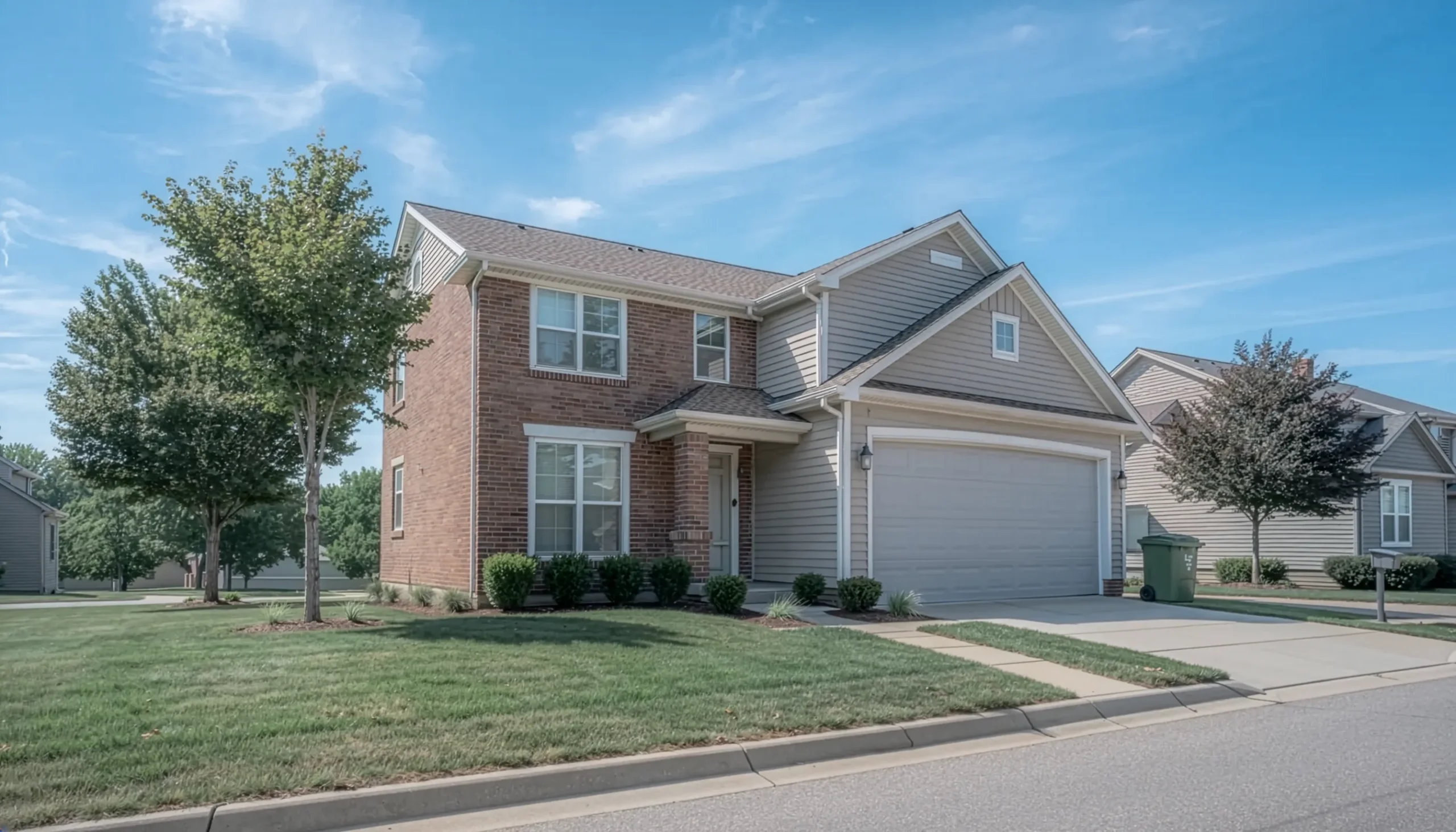
The selectivity shows up most clearly in how the market treats homes in different states of repair. Two houses in the same neighborhood, built at the same time, can command meaningfully different prices. The gap comes down to condition. Buyers at these price levels aren’t carrying an extra $20,000 to $40,000 for renovations after closing.
Lewis says buyers want homes where sellers haven’t deferred maintenance – “things they aren’t going to have to worry about.” Military buyers in particular, who may be moving again in a few years, don’t have the time or desire to take on projects. They’ll pay more for a move-in-ready home even when a comparable house next door sits at a lower price but needs work.
The homes that linger are the ones with deferred maintenance or aggressive pricing. Lewis says sellers still carry the confidence of a seller’s market and often panic when a listing doesn’t move within a week. Price reductions are happening “quickly and regularly” as a result. But the fundamentals haven’t collapsed. “When a good house comes on the market, and it’s in great condition, and it’s priced according to where it should be, it sells with no problems,” Lewis says. “We still have a lot of buyers out there.”
A Military Market That Has Shifted
Scott Air Force Base hosts more generals than any other base, according to Lewis, and its role as the home of U.S. Transportation Command draws mid- and senior-career personnel rather than junior enlistees. That shapes the buyer profile. Lewis says the housing allowance has not been a limiting factor for the military buyers she works with, because most are well into their careers with corresponding pay grades.
But the volume of PCS moves has dropped significantly since COVID. Corporate relocations from St. Louis – which historically brought buyers to the Metro East, particularly around December – have also declined as remote work reduced the need for physical moves. The market still benefits from the base’s presence but can no longer count on a predictable seasonal surge of incoming buyers.
What has replaced that surge, Lewis says, is more internal movement: first-time buyers, move-up buyers, and empty nesters trying to right-size. Many existing homeowners hold significant equity – some owe nothing at all – and are locked into rates in the 2.5% to 3.2% range. “When they decide to move, it’s a well-thought-out financial decision,” Lewis says. “Mostly it’s financial, family, and health reasons. Otherwise they’re not giving up that rate.”
That lock-in effect means the homes reaching the market tend to be listed for specific, pressing reasons rather than casual upgrades – which further limits supply even as inventory numbers creep upward.
What’s Ahead
Lewis dismisses the possibility of a market crash, pointing to the equity positions most homeowners hold compared to conditions that preceded the last downturn. Rates in the sevens concern some buyers, but Lewis sees opportunity in the current window before competition returns. “Don’t take your foot off the gas between now and the end of the year,” she says. “The rates are going to come down, and when they do, the market’s going to be flooded again, and it’s going to be tougher to buy a home.”
Her team is already seeing the benefit of reduced competition. Lewis says agents can now negotiate more effectively for buyers on homes that have sat on the market for at least two weeks – a contrast with the recent period of escalation clauses and appraisal gaps. For buyers willing to act while rates remain elevated, the tradeoff is less competition now against lower monthly payments later. Lewis’s position is that the former matters more.
About the Expert: Jean Lewis leads Jean Lewis Homes at Keller Williams Pinnacle, covering the Metro East side of St. Louis, including O’Fallon and Edwardsville, Illinois, and has worked the market for 29 years.
This article is based on information provided by the expert source cited above. It is intended for general informational purposes only and does not constitute legal, financial, or real estate advice. Readers should conduct their own research and consult qualified professionals before making any real estate or financial decisions.