The head of a major workforce housing operator argues America’s declining community connections are creating both challenges and opportunities for multifamily owners.
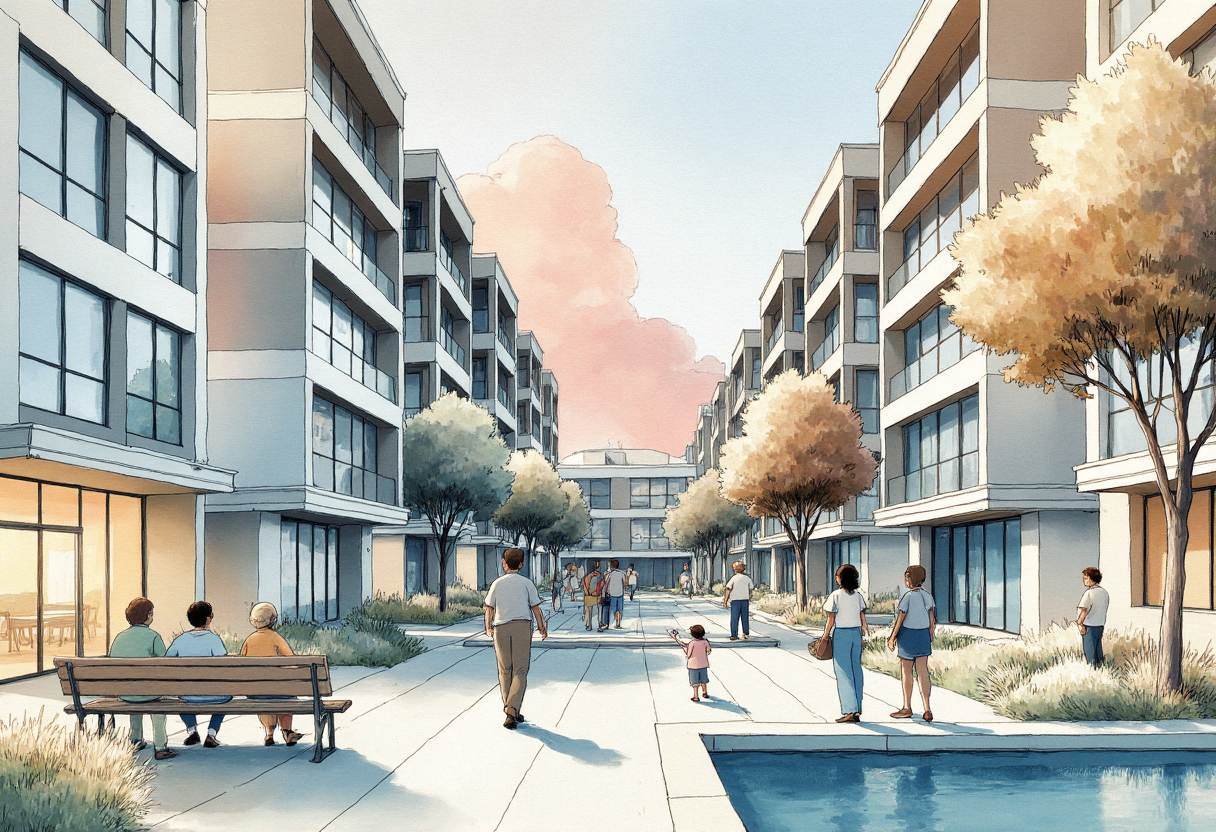
Ron Kutas, Chief Executive Officer of OneWall Communities, says his experience growing up in Israel revealed a stark contrast with American residential life that shapes his current approach to property management. “In Israel…you know all of your neighbors. People play with each other’s kids, watch each other’s kids, borrow sugar when needed,” Kutas explains. “When we moved to the United States, it was very shocking and lonely.”
The Breakdown of American Community Living
According to Kutas, this isolation isn’t just a social issue, it’s becoming a business challenge for property managers and owners. “Even today, I’m ashamed to say it, I live in a house and don’t know some of my neighbors down the street,” Kutas says. “When I lived in New York City, I knew one family on our floor. That’s it. It’s just the way the culture is.”
Kutas argues this cultural shift stems from broader changes in American society: “One thing that has gone against us in America is this transient lifestyle and the breakdown in generational living,” he says. “A lot of other cultures, you’ll see multi-generational living and staying close to family. In America, we don’t have that.”
The Business Impact of Community Building
For property managers, Kutas says this isolation creates both risks and opportunities. “People stay longer if they’re happy where they live,” he notes. “When we started our business, we always talked about happy buildings. How do we have happy buildings?”
The workforce housing sector may be particularly well-positioned to foster community, according to Kutas. “In workforce housing specifically, we’re dealing with residents that are more sticky, they’re not moving all the time,” he explains. “They usually have kids and therefore are seeking more social interaction.”
Technology-Enabled Solutions
OneWall Communities is addressing this through a combination of physical amenities and technology solutions. The company has partnered with resident engagement platform Venn to facilitate neighborhood connections through digital tools.
“We use technology to promote interaction,” Kutas says. “Venn brings the neighborhood to the resident through the app and suggests neighborly conversations and groups within the community.” This digital engagement then translates to real-world connections.
The company also partners with financial well-being platform Esusu to provide residents with coaching and tax preparation services – part of what Kutas describes as a “holistic approach to community building.”
“Ultimately as an operator, I want people to take care of my property. I want to be a good landlord, and I want them to stay at the property for as long as possible,” Kutas says. “If I can make their community, their neighborhood better, it’s win-win-win for everyone.”