Commercial real estate in Los Angeles has traditionally been defined by secrecy: commission splits are guarded, recruiting strategies are confidential, and client information is closely held. Now, a growing number of boutique brokerages are challenging this approach, betting that openness and collaboration can yield better results than old-school competition.
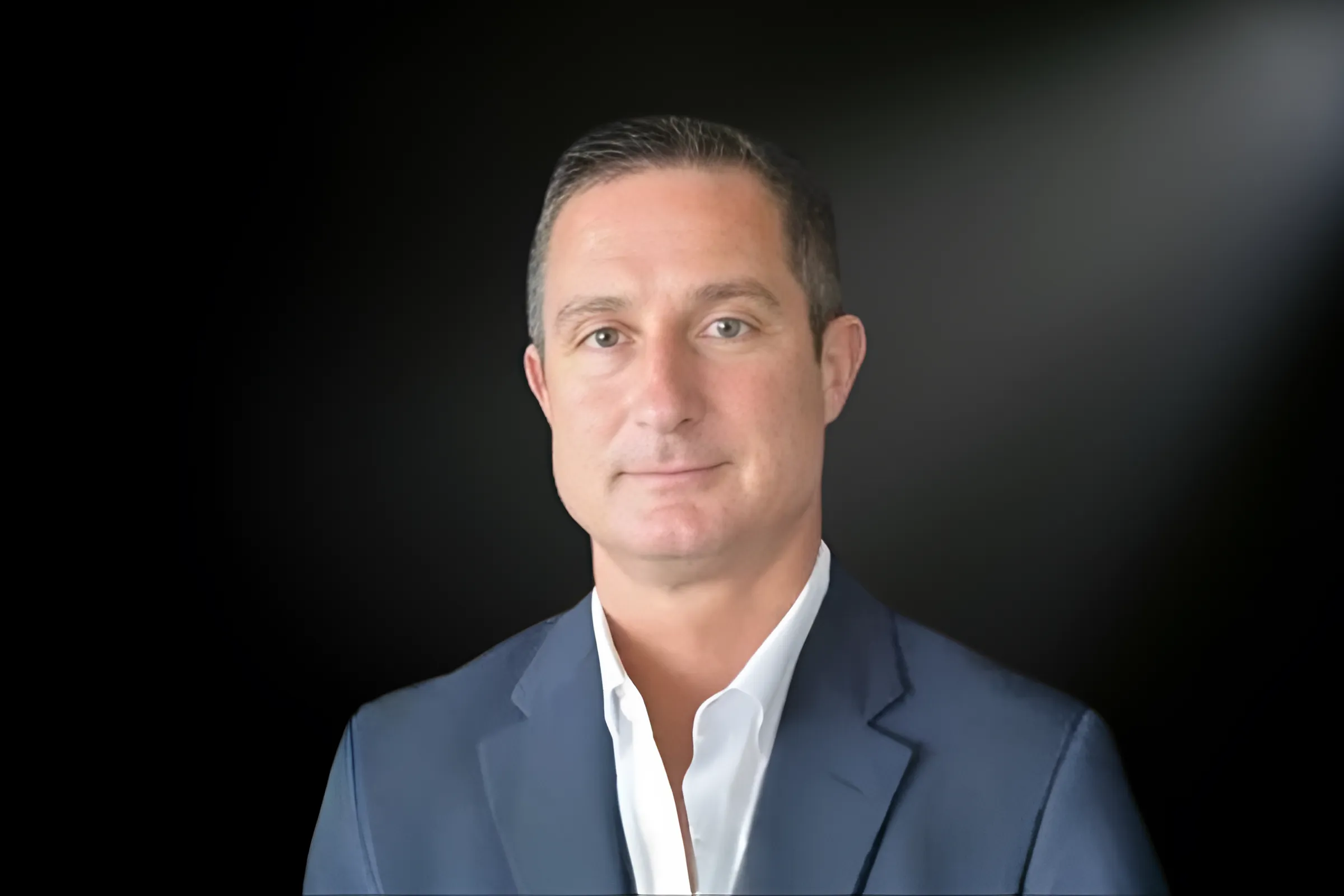
Joe Killinger, partner and co-founder of Commercial Brokers International, is a key proponent of this new mindset. His Los Angeles-based firm has built its strategy on sharing information with other boutique brokerages, including commission structures and recruiting methods.
“There’s enough business for everybody,” Killinger says. “I sit down with owners of competing firms and just lay it out – here are our splits, here’s how we recruit. What’s the point of hiding it?”
From Auction House to Brokerage
Killinger’s entry into commercial real estate came after a setback. Following a layoff from a company marred by accounting scandals, he and his business partner, George Pino, started a real estate auction company. Within 18 months, their firm had become the second-largest auction house in the western region.
“At the time, auctions were done in person – you’d go to a hotel ballroom and bid by raising your hand,” Killinger recalls of the mid-90s. “Now, it’s all online, but back then it was very different.”
As auctions moved online, Killinger and Pino pivoted to brokerage, founding Commercial Brokers International. Today, the firm has 20 agents handling deals nationwide. They also operate Icon Capital Advisors, a commercial mortgage company, and run the Commercial Real Estate Affiliate Network, which connects independent brokerages across the U.S.
Collaboration Over Competition
Commercial Brokers International’s collaborative approach goes beyond sharing data. When Killinger interviews a candidate who isn’t a cultural fit, he refers them to other firms with stronger industrial teams or more robust mentorship programs.
“If smaller firms work together, everyone benefits,” Killinger says. “Enough deals and new people are entering the business that sharing knowledge is more powerful than guarding it.”
This philosophy runs against decades of industry tradition, but Killinger argues it’s made his firm more competitive. The Commercial Real Estate Affiliate Network, built on these principles, now spans multiple states and is expanding into markets like New Mexico.
Los Angeles Market Trends
From his office in Brentwood, Killinger sees Los Angeles’ market as a patchwork of micro-markets, each with its own trends. Retail remains active, with new brands regularly opening on San Vicente Boulevard. Office performance varies dramatically within short distances.
“In downtown LA, you might see a building that’s over 90% occupied, and across the street, another is only 40% full,” Killinger says. “It all depends on what’s happening in those few blocks.”
The office sector is showing signs of recovery as more companies require employees to return in person. However, landlords must invest in amenities to attract tenants. Killinger cites a San Francisco developer who revamped a struggling office building by making everything smartphone-controlled – from booking conference rooms to adjusting climate – and adding cafes, restaurants, studios, and podcast booths.
Industrial properties, which saw intense demand during the pandemic, are cooling off. E-commerce continues to drive interest, but inventory is tight in some markets, with vacancies in the low single digits, while others now have more space available.
Shifting Investment Patterns
Multifamily investment has slowed, influenced by new regulations after the early 2025 wildfires and persistent concerns about rent control. Killinger notes that Los Angeles real estate has always been more about long-term appreciation than immediate cash flow.
“If you’re investing here, it’s usually for appreciation, not cash flow,” he says. “If you want a steady income, California isn’t the best place.”
Single-tenant lease deals, such as fast-food outlets and bank branches, are one area of opportunity. Killinger’s firm is launching a $5 million syndication focused on these properties, targeting value-add potential through lease renegotiations.
“For example, you might buy a Jack in the Box with two years left on the lease. You renegotiate with the tenant, and suddenly the property’s value increases significantly,” Killinger explains.
Looking Ahead: 2026 and Beyond
Killinger expects 2026 to bring major changes, largely due to interest rate movements and pent-up investor demand. While investment sales have been slow, inquiry activity is increasing.
“There are billions of dollars waiting on the sidelines,” Killinger says. “Some investors raised funds years ago and have to deploy that capital soon, or return it. That’s creating urgency.”
The commercial mortgage-backed securities (CMBS) market, which has delayed dealing with distressed properties for several years, may finally see more assets move into special servicing. This shift could give institutional investors a chance to acquire distressed properties at lower prices, and we are seeing new debt funds emerge to take advantage of these opportunities that will present themselves.
Institutional Investors Eye Santa Monica
For institutional investors, Killinger sees both opportunity and risk in Santa Monica. The area has seen a wave of new Class A construction, but questions remain about whether the market can absorb so many new units.
“There’s a new building at Broadway and Lincoln – studios are going for over $3,000 a month, sometimes closer to $4,000, and they’re not much bigger than this office,” he says.
With several buildings set to open at the same time, Killinger expects institutional investors will wait for initial lease-up challenges before entering the market in force, hoping to buy at better prices.
Modernizing Industry Culture
Beyond market trends, Killinger is focused on updating commercial real estate’s approach to marketing and recruitment. Through his educational platform, JoeKillinger.co, he offers free resources to help newcomers enter the industry, including guides for the first 90 days and tips on transitioning from agent to broker-owner.
“We’re still stuck in the old-school network where people just cold call all day,” he says. “There’s so much more potential for younger people to market themselves online. Social media is free marketing – why not use it?”
Killinger believes that supporting newcomers and sharing knowledge is critical, especially given the industry’s high turnover: 87% to 92% of new agents leave within three years.
A New Model for Boutique Brokerage
As commercial real estate continues to evolve, the collaborative model pioneered by firms like Commercial Brokers International offers smaller brokerages a way to compete with large institutional players. By pooling resources, sharing expertise, and maintaining transparency, boutique firms can create networks that rival national companies while preserving the personalized service that clients value.
In a market where relationships and local expertise are essential, this shift toward openness and support may be the key to long-term success for Los Angeles’ independent brokerages.
This article was sourced from a live expert interview.
Every month we conduct hundreds of interviews with active market practitioners - thousands to date.
“We want to be the Four Seasons and the Ritz Carlton instead of the motel,” says Ting Qiao, CEO and Founder of Wan Bridge Group, describing his vision for the company’s rol...
The rental market in Orlando is undergoing significant changes. Rising costs, new regulations, and increasing competition are prompting property managers and property owners to reassess thei...
Doug Ressler, Manager of Business Intelligence at Yardi Matrix, reports that major real estate investment trusts (REITs) and other institutional investors are rapidly expanding their involve...
Phoenix’s Camelback corridor and surrounding luxury neighborhoods are experiencing a surge in high-end real estate transactions, fueled by the technology sector’s expansion and an on...
A six-week vacation sparked an unexpected career pivot for Brian Seidensticker, leading him from missile defense systems to distressed real estate investing. “I went on vacation for si...
Real estate investors are falling into a dangerous trap of endless education without action, according to Lauren Aumond, host of the Adulting Is Easy podcast. The Tampa Bay-based investor ar...