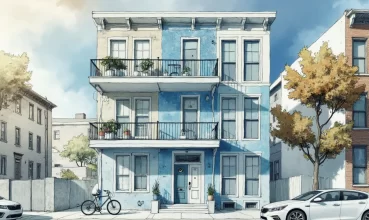
Brooklyn’s townhouse market is seeing a noticeable change in who is buying and how they use these properties. Townhouses, once marketed mainly as single-family homes, are now increasingly ...

How Hurricane Ian Is Changing Fort Myers Real Estate Demand as Storm-Weary Buyers Depart

Written by:
Date:
11 Nov 2025
Share via Facebook

Share via Linkedin

Share via X

Copy to clipboard


Hurricane Ian’s devastating impact in 2022 triggered a demographic shift that continues to shape Southwest Florida’s real estate market, according to local expert Olivia Kaplan. The storm’s psychological effect on recent transplants has been as influential as its physical destruction, altering buyer behavior and market conditions.
“A lot of these individuals that moved down from the north never experienced a hurricane, didn’t know what to expect. Got the worst case scenario, because I’ve lived in Florida my whole life, I’ve never seen a storm that devastating hit this area,” said Kaplan, a broker associate with Kaplan Pro Realty.
The timing of Hurricane Ian posed additional challenges for market stability. The storm struck just as the pandemic-driven real estate boom was starting to slow, impacting a group of newcomers unfamiliar with Florida’s hurricane risks and lacking perspective on the region’s weather patterns.
The Exodus Effect
The combination of hurricane trauma and changing work requirements has fueled what Kaplan describes as a significant population reversal. Many of the same buyers who contributed to the pandemic real estate surge are now among those leaving the region.
“A lot of people were like, We got to get out of here. We don’t like this hurricane thing. And then on top of all the people that got scared from the storms, a lot of individuals now had to return back to work, no longer allowed to work from home,” Kaplan explained.
This blend of storm anxiety and the end of remote work flexibility has driven a market correction. The qualities that made Southwest Florida appealing during the pandemic have been challenged by both natural disaster and evolving workplace policies.
This exodus is more than a typical post-storm adjustment. Unlike longtime residents who accept hurricane risk as part of coastal life, many pandemic-era arrivals experienced Ian as their first hurricane, which created a psychological barrier to staying in the region.
Market Inventory Implications
The departure of residents concerned about storms has significantly increased inventory, turning what was a seller’s market during the pandemic into a buyer’s market. This shift has implications beyond basic supply and demand.
“Now we have a lot of inventory on the market. Interest rates are still higher, so buyers are still waiting, you know, hoping they come back down,” Kaplan noted. The combination of departing homeowners and cautious buyers has created a market environment favoring those with patience and financial flexibility.
The inventory growth also reflects the unique nature of Ian’s impact. Unlike typical corrections caused by economic shifts, this adjustment was driven by a natural disaster that changed how a specific demographic views the area’s desirability.
Sellers now compete not only with other existing homes but also with new construction that meets post-Ian building standards and includes hurricane-resistant features. This has resulted in a two-tiered market: storm-resilient properties command higher prices while older homes face greater pricing pressure.
Seasonal Recovery Hopes
Despite the challenges left by Ian, Kaplan is optimistic about recovery, especially as the region’s winter season approaches and no major storms have occurred in 2024.
“I’m being hopeful, because in southwest Florida, our season is winter time, so we are rocking and rolling right into it. I’m already seeing the car haulers hauling everyone’s vehicles down. Traffic has already exploded,” she said.
The return of seasonal residents will test whether the region can overcome Hurricane Ian’s psychological impact. These winter buyers and renters provide vital support and are often an early sign of renewed market confidence.
Kaplan also points out that a storm-free year helps restore buyer confidence: “We also haven’t had knock on wood any storms this year, not a tropical storm, not a hurricane. It’s, you know, thank you. We needed that break.”
Restoring confidence after a hurricane goes beyond repairing physical damage; it includes rebuilding the sense of security among both locals and potential buyers. Each storm-free season helps Southwest Florida regain its reputation as a desirable destination rather than a high-risk market.
Long-term Market Evolution
The impact of Hurricane Ian shows how natural disasters can speed up existing trends and create lasting demographic changes. The storm accelerated what might have been a gradual adjustment, leading to a rapid population shift that continues to influence real estate activity.
For investors and real estate professionals, understanding the effects of Ian offers insight into how climate-related events may increasingly shape market behavior as severe weather becomes more common. The storm’s influence on buyer psychology could be as important as its physical effects in determining the region’s long-term development.
Hurricane Ian’s ongoing effect on buyer behavior demonstrates how a single event can cause lasting changes in real estate markets, especially when it affects residents who lack prior experience with such risks. As the area moves forward, the lessons from Ian will likely continue to shape both market strategies and the perceptions of buyers considering Southwest Florida.
Similar Articles
Explore similar articles from Our Team of Experts.