


When families face the challenging decision of finding memory care for a loved one with dementia or Alzheimer’s disease, the search often feels overwhelming. Cost concerns, quality of ...

Hospitality Industry Finds Stability Amid Economic Uncertainty as Extended Stay Segment Drives Growth

Written by:
Date:
17 Jul 2025
Share via Facebook

Share via Linkedin

Share via X

Copy to clipboard

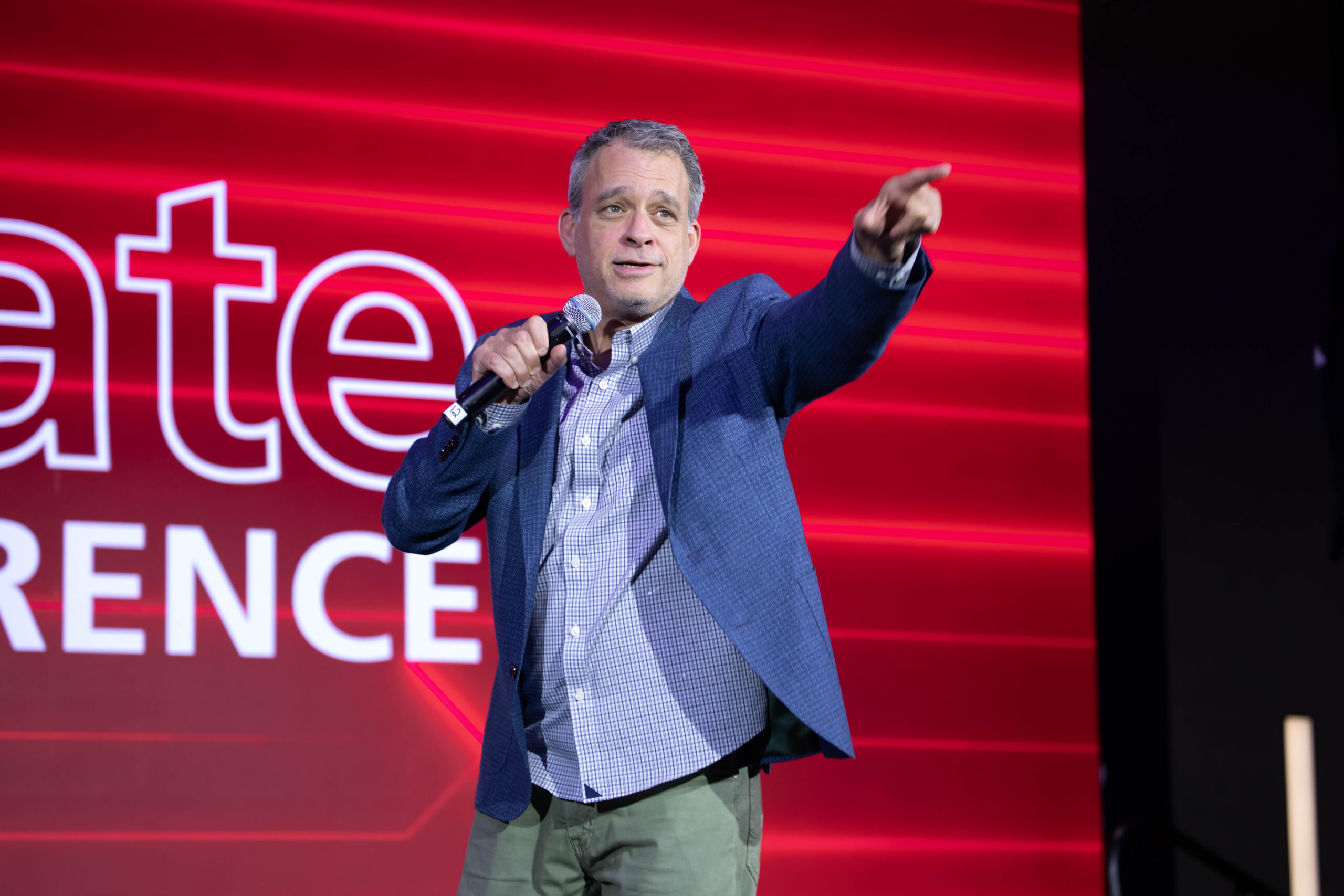
The hospitality industry is navigating a complex landscape of economic uncertainty while discovering new pathways to profitability through strategic shifts in guest experience and property development. Despite broader economic concerns, industry veterans are observing that travel and hospitality may be operating as a distinct economic sector, largely insulated from traditional market pressures.
Glenn Haussman, host of No Vacancy and board member of the Long Island Hospitality Association, has spent nearly three decades covering the hospitality industry and believes the sector’s resilience stems from a fundamental shift in American consumer priorities. “I think Americans feel that it’s a right to travel,” Haussman explains. “Since the great recession in 2008-2009, we’ve moved from focusing on materialism and things into experiences.”
This experiential economy has created opportunities for hoteliers to rethink their revenue strategies. Rather than focusing solely on traditional metrics like revenue per available room, operators are leveraging technology to create personalized experiences that command premium pricing. The shift represents a move toward profitability per customer rather than simple occupancy rates.
Extended Stay Properties Reshape Development Landscape
The most significant change currently occurring in hotel development centers on extended stay properties, which now represent an estimated 35-40% of all new hotel construction projects. This segment, designed for guests staying five days to 28 days, offers compelling economics for both operators and investors.
“Smart hoteliers started to realize that with expenses going up, we can actually give bigger rooms with more amenities and have fewer full-time employees by focusing on guests that need to stay five days or longer,” Haussman notes. The operational advantages are substantial: guests staying a week don’t require daily housekeeping, fewer front desk interactions reduce staffing needs, and the overall service model becomes more efficient.
The pandemic accelerated adoption of extended stay concepts as essential workers required longer-term accommodations. Now, the segment is benefiting from shifting American migration patterns, with properties strategically located in expanding metropolitan areas, often near new data centers and growing employment hubs.
Physical Design Evolution Reflects Changing Guest Preferences
The influence of millennial travelers has fundamentally altered hotel design philosophy over the past decade. Properties increasingly feature smaller guest rooms paired with expanded, activated lobby spaces designed for social interaction. This “alone together” concept recognizes that modern travelers prefer spending time in communal areas rather than being confined to their rooms.
The design shift reflects broader changes in how guests use hotel spaces, with lobbies becoming destinations for work, socializing, and relaxation. This approach also improves the economic equation for hotel developers, allowing them to maximize revenue-generating common areas while optimizing room sizes.
Sustainability and Biophilic Design Emerge as Next Wave
Looking ahead, Haussman identifies outdoor experiences, nature integration, and sustainability as the next major trend. “I really believe outdoors, nature, sustainability is the next big area,” he observes, pointing to successful brands like One Hotels, which targets affluent travelers seeking luxury experiences aligned with environmental values.
The trend extends beyond marketing positioning to actual design implementation. Biophilic design principles, which incorporate natural elements into built environments, are gaining traction across the hospitality sector. Research indicates that these design approaches can improve guest satisfaction and, in healthcare settings, even accelerate patient recovery times.
Properties like AutoCamp and the new Field and Stream hotel demonstrate how operators are leveraging outdoor experiences as core differentiators. Even major hotel companies are embracing the trend, with Westin recently franchising a glamping property near a Utah national park.
Technology Integration Requires Strategic Approach
While technology continues to drive operational improvements and guest experience enhancements, Haussman cautions against hasty adoption of emerging solutions. The industry is currently experiencing what he describes as “AI washing,” where companies market basic machine learning capabilities as artificial intelligence.
Two distinct technology strategies are emerging: hotel companies either building comprehensive in-house technology suites or major consolidation among technology providers to create integrated platforms. The integration challenge remains significant, with companies dedicating a full year to rebuilding their entire technology stack, while major chains invest substantial resources in similar overhauls.
“If you’re investing in hospitality, technology integration is going to continue to be a huge problem unless you think about that tech stack going into the project,” Haussman advises. Success requires distinguishing between temporary fads and genuine technological trends that will drive long-term value.
Market Outlook and Investment Considerations
Despite initial concerns about political and economic uncertainty, industry sentiment has grown more optimistic throughout 2025. The hospitality sector’s apparent independence from broader economic cycles, combined with Americans’ continued prioritization of travel experiences, suggests resilience in the face of traditional market pressures.
For investors and developers, the current environment presents opportunities in extended stay development, particularly in growing metropolitan areas. However, success requires careful consideration of technology integration, understanding of evolving guest preferences, and recognition that different market segments require distinct approaches.
The industry’s evolution toward experience-driven revenue models, supported by strategic technology implementation and responsive design, positions hospitality for continued growth even amid broader economic uncertainty. As Haussman notes, the key lies in understanding that modern hospitality success comes from creating meaningful experiences rather than simply providing accommodation.
Haussman continues to cover hospitality industry trends through No Vacancy News, conducting thousands of interviews with industry leaders and providing insights to help navigate the sector’s ongoing transformation.
Similar Articles
Explore similar articles from Our Team of Experts.


From Classroom to Inspection Site: How Professional Training is Shaping the Home Inspection Industry
The home inspection industry is experiencing a shift driven by professionals who bring diverse backgrounds and innovative approaches to traditional property assessment. This change reflects ...


Real Estate Investment, Residential Real Estate, Market Analysis & Policy, Industry Profiles, Top Articles
Pinellas County’s coastal real estate market is undergoing a period of rapid adjustment, shaped by new regulations, hurricane impacts, and changing economic conditions. For investors and i...

