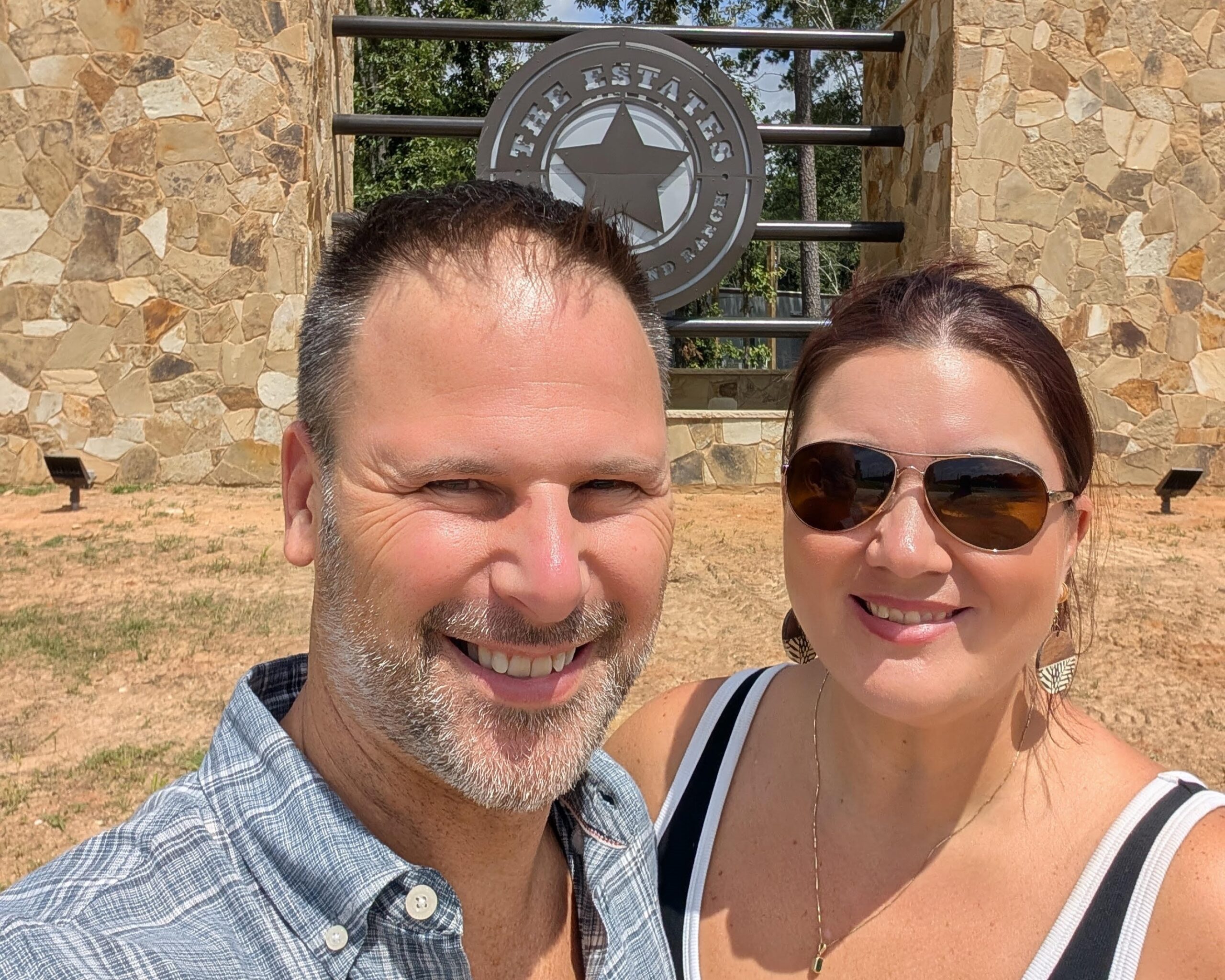
Karl Schultz and his wife represent a growing demographic of urban professionals using rural land purchases as long-term wealth building strategies while maintaining their current city lifestyles. Their recent acquisition of two acres at The Estates of Texas Grand Ranch demonstrates how couples are securing future retirement locations while land remains accessible.
The Urban-to-Rural Planning Timeline
Living downtown Houston within walking distance of Minute Maid Park, the Schultzes aren’t ready to leave city life immediately. Instead, they’re implementing a 10-15 year timeline that allows them to secure land now while continuing their careers and urban lifestyle.
“We love the hustle bustle and the funness of downtown,” Schultz explains. “But the driver is to have our little plot of land where we can build our home and have the solitude of the trees and not be subjected to the city life in our post-career lives.”
This approach reflects broader demographic trends where professionals purchase rural properties years before intended occupancy, treating land as both investment vehicle and future lifestyle insurance.
Site Selection Strategy and Due Diligence
The couple’s selection process illustrates the importance of comprehensive site evaluation beyond initial visual appeal. Working with sales representative Bear Prince, they discovered that their first preferred lot would require significant dirt importation due to elevation issues, making a higher-priced flat lot more economical overall.
Schultz describes the revelation: “The figure he threw out for the dirt we’d have to bring in, I was like, ‘Well, might as well buy the more expensive property that’s flat.’ I didn’t know dirt was that expensive.”
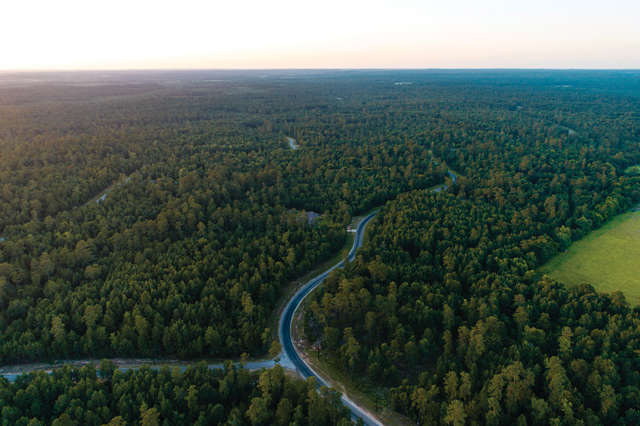
Their chosen lots border protected reserve land, effectively providing seven acres of privacy for the price of two—a strategic advantage that demonstrates the value of patient lot selection over impulse purchases.
Financing Education and Market Realities
The couple encountered the learning curve typical of first-time land buyers: different lending requirements, higher interest rates, and shorter loan terms compared to traditional home mortgages. Maximum loan terms of 15 years and limited lender options required research beyond conventional banking relationships.
This financing structure affects the land buying demographic, typically favoring buyers with stronger cash positions or shorter payoff timelines—factors that align with pre-retirement planning strategies.
Comparative Market Analysis and Location Premium
The Schultzes compared The Estates of Texas Grand Ranch with the original Texas Grand Ranch, ultimately choosing The Estates for its direct highway access and more compact community design. Their analysis reveals buyer priorities: convenience and forest integration over larger lot sizes and extensive internal amenities.
The proximity advantage proved decisive: “That’s the beauty of the estates—you’re right in, right out off the freeway, versus taking 20-30 minutes just to get to the highway.”
Investment Performance and Appreciation Potential
Schultz reports immediate equity gains based on comparable sales and appraisal data, though he acknowledges that unrealized appreciation “isn’t worth anything until somebody offers you money.” His in-laws’ similar property purchase 10-15 years earlier provides a useful appreciation benchmark, with current values comparable to recent Estate purchases despite the time gap.
The couple views their purchase as portfolio diversification: “It’s like the stock market for our future,” providing tangible asset backing for retirement planning beyond traditional investment vehicles.
Market Implications
The Schultz purchase pattern indicates several emerging trends:
- Urban professionals securing rural retirement locations decades in advance
- Land purchases serving dual investment and lifestyle planning functions
- Buyer preference for convenience and forest preservation over maximum acreage
- Financing structures favoring cash-strong pre-retirement demographics
As Houston continues expanding and suitable acreage becomes scarcer, early land acquisition strategies like the Schultzes’ may become increasingly common among forward-thinking urban professionals.
Learn more about The Estates of Texas Grand Ranch at txgrandranch.com