The intersection of housing affordability, displacement, and market dynamics is creating unprecedented pressures across the American housing landscape, according to Dr. Tim Thomas, Research ...

Accidentally with Purpose: How One East Bay Team Navigates Market Shifts Through Relationship Building

Written by:
Date:
19 Aug 2025
Share via Facebook

Share via Linkedin

Share via X

Copy to clipboard

Update: This article was updated on 08/22/25 to reflect revised statements provided by Debbi DiMaggio.
The East Bay luxury real estate market has undergone significant changes in recent years, with traditional patterns of multiple offers and quick sales giving way to a more nuanced landscape. For agents who have weathered multiple market cycles, these shifts require both adaptation and a return to fundamental relationship-building principles.
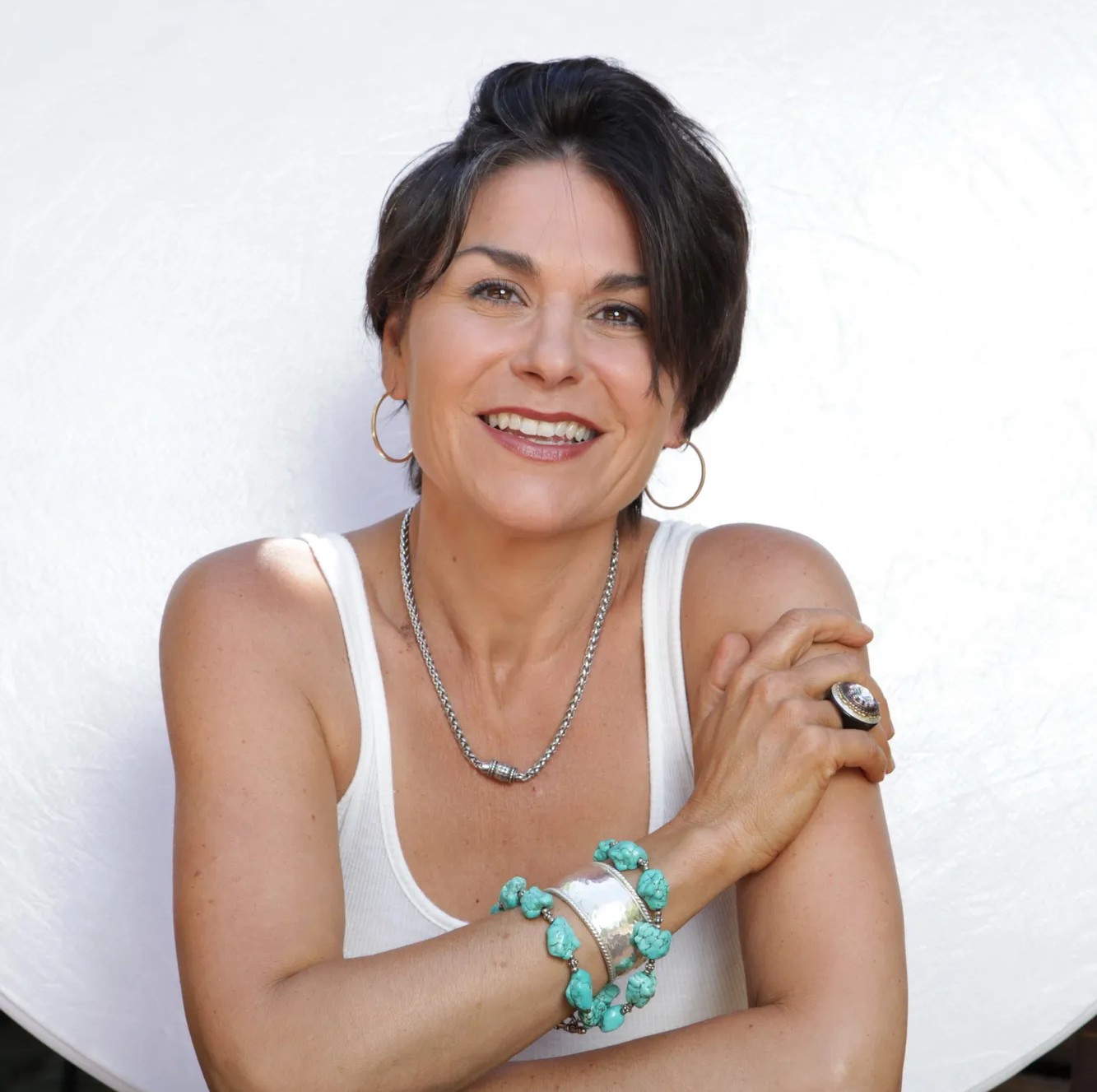
Debbi DiMaggio, Host of Mastering the Art of Real Estate and Real Estate Agent at Corcoran Icon, has spent 35 years building her real estate career on what she calls “accidentally with purpose,” a philosophy that has guided her from reluctant industry entry to leading a multi-generational family team. Her journey illustrates how successful agents adapt to changing market conditions while maintaining core values of community engagement and client service.
The Evolution of a Real Estate Philosophy
DiMaggio’s entry into real estate came despite initial resistance to following her father’s path in the industry. When I was trying to figure out my career path, the only thing I was certain about was that I didn’t want to go into real estate. I liked flexibility,” she recalls, noting how her father’s business tied him to landlines and unpredictable schedules before digital tools were available.
Her path began with rental properties in San Francisco before online listing platforms, where success depended entirely on phone calls, networking, and personal connections. This foundation in relationship-based business would prove invaluable throughout her career.
The transition from rentals to sales came naturally through relocation company partnerships, providing referrals that helped establish her business. However, it was her approach to community involvement that truly differentiated her practice.
Building Business Through Community Engagement
DiMaggio’s strategy centers on authentic community involvement. Her extensive charity work, which began when her son was in preschool, became a cornerstone of her business development philosophy.
“Whatever it is you like to do, do that; if you like to golf, golf, if you enjoy tennis, play tennis, if you cook, garden, or whatever it is you enjoy, then do that. For me, it’s charity work. That’s where I find my people, that’s where I find my tribe,” she explains. When you are doing what you love, authentically, it shows and you resonate with the people around you because you are being your true self. As a pleasant surprise, what came naturally generated consistent referrals and wonderful personal and business relationships over decades.
Her recent addition to Business Networking International (BNI) represents a more structured approach to networking after years of informal relationship building. “I joined BNI Business Networking International, and I love that it’s so organized. It’s time sensitive, it’s every Wednesday for an hour and 15 minutes. We come together to pitch, learn about one another, and exchange referrals. I’m proud to be one of the leaders in giving referrals, and I’ve been fortunate to receive a few as well. Passing a referral to a Realtor isn’t always as simple as referring a handyman—after all, everyone needs a handyman! But when those real estate referrals do come through, I’m truly grateful.”
The DiMaggio Better Group A Family Business Model
The evolution from individual practice to family team happened during the pandemic. DiMaggio’s son Chase, who had been working in Colorado, joined the family business after obtaining his real estate license.
“While our kids were growing up, we never pressured them—or even talked much—about following us into real estate. We just wanted them to be happy and work in a career that interested them. It was a wonderful surprise when our son announced he wanted to join us in the business!” she recalls.
The team structure leverages each member’s strengths. Her husband Adam, who serves as broker for their offices, handles the financial and technical aspects. DiMaggio focuses on client relationships, property preparation, and business development. Their son Chase brings patience and interpersonal skills that complement both parents’ approaches.
“He’s right between Adam and I. He’s patient like Adam, he’s calm like Adam, he could do paperwork and stay in the lines, but he has the personality and outgoingness that I do, so he’s got the best of both worlds,” DiMaggio notes.
Current Market Dynamics in the East Bay
The East Bay market has experienced significant shifts from its historical patterns. DiMaggio observes a stark contrast between current conditions and the pre-2022 environment.
“Over the years, until about 2 years ago, every property, no matter the price point, would sell beyond the asking price. Some homes selling, $100 to $500,000 over the original asking price. When interest rates sky-rocketed and the war between Russia and the Ukraine broke out, not to mention political unrest in the US, buyer momentum came to a halt,” she explains.
Today’s market presents a mixed picture. While some properties still generate multiple offers, DiMaggio recently wrote an offer on a $3.5 million property that received four to five offers and sold well over $4 million, while many listings are experiencing extended market times and price reductions.
“Some homes are not selling and are being removed from the market to be sold another day. Others are seeing price reductions. Homes used to sell within a 10 day period, so for us to hold a listing for 30-60 even 90 days, is a new way of doing business here in the East Bay,” DiMaggio observes.
Changing Buyer Expectations
The buyer profile has evolved, particularly regarding property condition and systems. DiMaggio notes that today’s buyers expect move-in ready properties with updated systems, not just cosmetic improvements.
“The new buyer wants it to look like Restoration Hardware or West Elm when they walk through the door. They want all systems in our 1920s homes to be in order, and the kitchens and baths gorgeously remodeled,” she explains.
This shift has created challenges in a market dominated by older homes with character but potentially outdated infrastructure. DiMaggio has adapted by offering comprehensive property preparation services, including her “lived in to staged to sell” approach that can involve significant renovations.
One recent example involved investing $120,000 in property improvements through a partnership with a company called Freemodel, which advances renovation costs until closing. “The clients don’t pay until close of escrow, a win-win all the way around,” DiMaggio notes.
Remote Work’s Impact on Location Value
“Prior to the pandemic, I would highlight that we are close to San Francisco and to the informal carpool stops. I don’t really talk that up any longer. Many clients are working from home or remotely, some, even traveling the world or working from second homes, she explains.
This shift has reduced the buyer pool, as fewer people are relocating into the area for work purposes. “Some clients are moving away, and many larger companies are relocating their headquarters out of the area taking their employees with them, we just do not have the same robust buyer pool that we had before.”
“It used to be a huge selling point that we’re close to the city or close to carpool. I don’t really say that anymore. I don’t really say formal carpool or bus or BART to the city, because people are working from home or working remotely,” she explains.
This shift has reduced the buyer pool, as fewer people are relocating into the area for work purposes. “Some clients are moving away, and many larger companies are relocating their headquarters out of the area taking their employees with them, we just do not have the same robust buyer pool that we had before.”
Financing and Deal Structure Trends
Despite market changes, financing structures in the East Bay luxury market remain relatively traditional. DiMaggio reports predominantly conventional financing with 10-30% down payments, along with significant cash transactions driven by tech industry wealth.
“There’s is tech money here, so many of the deals are all cash,” she notes. However, the market has seen some evolution in contingency structures, with buyers occasionally including inspection or other contingencies that were rare in previous years.
One notable development was DiMaggio’s first VA loan transaction in 35 years of practice, highlighting how even experienced agents continue to encounter new situations and financing options.
Emerging Market Opportunities
Looking ahead, DiMaggio identifies several East Bay submarkets with growth potential. San Leandro and Pinole are showing increased activity and multiple offer situations.
“San Leandro is a charming community, and Pinole is a quaint bedroom community which is conveniently located to the freeway making it an easy commute to both Marin and San Francisco as well. The homes are more affordable,” she explains.
A recent San Leandro transaction that generated five offers and a Pinole sale at $750,000 suggest these markets may be poised for appreciation as buyers seek value alternatives to higher-priced core areas.
The Enduring Value of Human Connection
Throughout market fluctuations, DiMaggio maintains that the human element of real estate remains irreplaceable. Her approach emphasizes the therapeutic and consultative aspects of the profession.
“We’re therapists, advisors, coaches, counselors, advocates, babysitters, even handymen and women. We really do wear a lot of hats. We juggle many tasks. Aside from those noted above, we manage the transactions, and all the various parties in a transaction from lenders, title and escrow, home inspectors, insurance, inspectors, agents and the buyers and sellers, usually there are two buyers or sellers you are working with at any given time.
This philosophy extends to her coaching and mentoring work, both within her team and through her podcast “Mastering the Art of Real Estate and Mastering the Art of Success.” Her focus on helping others, particularly newer agents, reflects a broader industry trend toward collaboration over competition.
“Real estate agents are colleagues, not competitors,” DiMaggio emphasizes. “There’s always going to be an agent on the other side of the deal. We work together so we can make sure the process is as smooth as possible for our clients.”
For real estate professionals navigating current market uncertainties, DiMaggio’s career demonstrates the value of authentic relationship building, community engagement, and adaptability. While market conditions may shift, the fundamental need for trusted advisors who can guide clients through complex transactions remains constant.
Her success in building a multi-generational business while maintaining strong community ties offers a blueprint for sustainable real estate practice in any market environment. As she puts it, “When you help others, good things just always come back around.”
Similar Articles
Explore similar articles from Our Team of Experts.