When Fort Wayne released a request for qualifications (RFQ) for its North River District master development, city officials anticipated three to five responses from mostly regional developers—a typical turnout for a city of its size. Instead, they received proposals from 20 national firms, far exceeding expectations and signaling a significant shift in how national developers view mid-sized Midwest markets.
“We received responses from 20 national developers, which was insane,” says Alec Johnson, Deputy Director of Redevelopment for the City of Fort Wayne. “Normally, it would be three or four or five, maybe interested.”
The North River District project covers 29 acres of former industrial land downtown and includes a youth sports field house, housing, and commercial space. Historically, projects of this scale in a metro area of roughly 400,000 residents would have drawn modest attention. Johnson attributes the surge to Fort Wayne’s two-decade record of downtown revitalization and a targeted approach to attracting developer interest.
Pre-RFQ Outreach: A New Approach
Before issuing the formal RFQ, Fort Wayne implemented an outreach strategy uncommon among peer cities. City staff compiled a comprehensive list of major developers, sports management firms, and design companies nationwide with relevant experience and contacted them directly.
They sent out a pre-RFQ document outlining the city’s vision and invited feedback. “If you’re interested, call us, come visit us,” Johnson explains. “We’d like to hear from you. What would make this an attractive project for you? We’re here to answer your questions.”
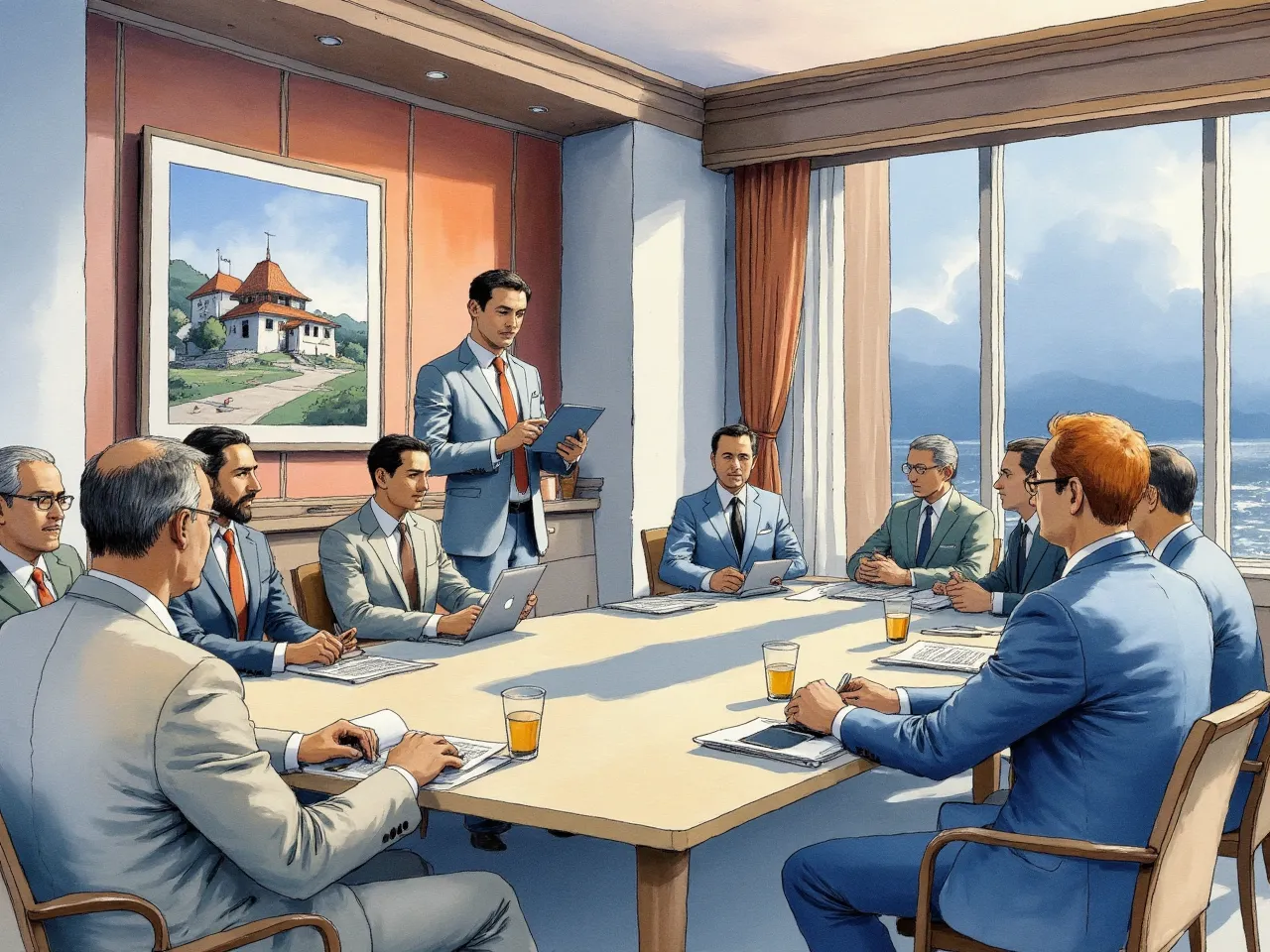
Johnson spent his initial months in the role meeting weekly with developers, designers, and sports management representatives. Many shared insights on what would make the project appealing, which allowed the city to refine the formal RFQ to address potential concerns upfront and reduce uncertainty.
This outreach reflects a level of institutional confidence that many mid-sized cities lack. Instead of assuming Fort Wayne would struggle to attract interest, the city positioned itself as a valuable partner. It used the pre-RFQ process to shape the opportunity to align with developer needs.
Efficiency as a Selling Point
Developers consistently tell Johnson that project timelines and process efficiency are as important as financial incentives. “What I hear over and over again is that the things that make development hard—they lose a lot of money in the time,” he says. “Time kills deals, and the longer you spend getting through the process, the more your costs are just gradually going up.”
Fort Wayne’s status as a minor market works in its favor, Johnson argues. The city prioritizes removing barriers that can slow or complicate projects. “Because we’re hungry, because we’re a smaller market in the Midwest, we prioritize making development easy,” he says. “We remove the barriers you might see in a more competitive big city.”
This efficiency extends beyond faster approvals. Johnson notes that developers in Fort Wayne work with city staff who understand the development challenges and can offer practical solutions. “A lot of times developers have to bring a city along and sort of educate them,” he says. “Here, the leadership and staff are exceptionally talented. We know how to solve problems and use the tools we have. That reduces risk for developers if they know they’re working with people who know what they’re doing.”
Geographic Position and Market Demand
The North River District project also benefits from Fort Wayne’s location. The city is within a two- to three-hour drive of major Midwest cities like Chicago, Indianapolis, Cincinnati, and Cleveland, making it a strategic hub for youth sports tourism. This $50 billion industry anchors the field house component of the project.
However, Johnson emphasizes that location alone does not explain the unprecedented developer interest. The combination of geographic advantage, city expertise, clear financial incentives such as tax increment financing and tax abatement, and demonstrated demand for downtown housing helped national developers see opportunity where they might otherwise have seen risk.
Lessons for Other Mid-Sized Cities
Fort Wayne’s experience suggests that mid-sized Midwest cities can attract significant developer interest by building institutional capacity and streamlining processes. Johnson points out that developers are often forced to “bring a city along and sort of push the city and educate the city”—a friction point Fort Wayne has worked to eliminate.
Replicating Fort Wayne’s results may require more than just outreach. The city’s willingness to conduct extensive pre-RFQ engagement and its staff’s problem-solving capabilities set it apart. Johnson’s own background—18 years as a landscape architect in the parks department before moving into redevelopment—shows that institutional knowledge and relationships can be more critical than traditional economic development credentials.
Implications for the Region
The flood of national interest in Fort Wayne’s North River District underscores a broader shift in how developers assess mid-sized markets. Rising costs, competition, and complexity in larger cities are prompting firms to look to places like Fort Wayne, provided those cities can demonstrate competence and make the process straightforward.
For other communities hoping to replicate this success, the lesson is clear: proactive engagement, clear communication, and a city team that understands development can dramatically increase the odds of attracting high-caliber partners. Cities that invest in these capabilities can move beyond the expectation of limited regional interest and compete for projects on a national stage.
Fort Wayne’s experience with the North River District shows that with the right approach, even secondary markets can become priority targets for national developers. The city’s combination of outreach, efficiency, and expertise is setting a new standard for how mid-sized Midwest cities can compete and win in today’s development landscape.