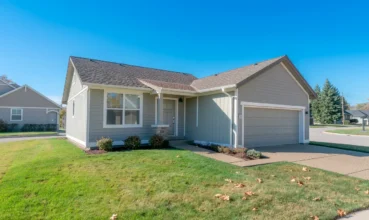
Out-of-state investors are driving up prices for rental properties in Des Moines, Iowa, by accepting lower returns than local buyers have traditionally required. According to Scott Wendl, broker/owner of RE/MAX Precision in Des Moines, this shift is making it harder for local investors to justify purchasing duplexes, triplexes, and fourplexes at current prices.
Wendl says property prices are rising faster than the rental income they generate, especially in smaller multifamily buildings. Sellers are achieving prices that no longer support the 10% annual returns local investors once considered standard. “It’s hard to make the numbers work for a typical investor to get a decent return,” Wendl says.
The influx of capital from coastal markets is creating a divided landscape. Local investors are often priced out, while out-of-state buyers see a 6–7% yearly profit as attractive compared to what they can earn in the cities they live in.
Out-of-State Buyers Accept Lower Returns
Wendl says the most significant shift is the willingness of out-of-state investors to accept lower profits in the first few years. While local buyers have historically aimed for about a 10% yearly return on their investment, investors from higher-cost markets are comfortable with 6–7%.
“There are a lot of out-of-town buyers that come in because our rate of return is better than some of these more aggressive markets on the east and west coast,” Wendl says. “They’re happy with the 6–7% return compared to ones that used to expect 10%. It’s really hard to make the numbers work at a 10% return.”
This reflects a different investment strategy. Many out-of-state buyers are betting on future rent growth instead of focusing solely on current cash flow. Wendl explains that these investors expect rents to rise while fixed expenses remain stable, improving returns over time. However, this approach depends on sustained rental demand and the ability to raise rents without increasing vacancies.
Local Investors Become Selective
As prices rise, local investors are becoming more cautious and often skip buying properties that do not meet their minimum profit expectations. “The local ones are a little more picky,” Wendl says. “The out-of-state ones find out that we’re pretty affordable.”
This reluctance may reflect stronger familiarity with the Des Moines market and access to alternative investments with better risk-adjusted returns. In contrast, out-of-state buyers compare local prices to those in their home markets, where similar properties are more expensive and profits are lower.
Wendl highlights duplexes as a particularly in-demand property type. He owns nine duplexes and has improved returns by raising rents and making modest upgrades. “I may not have bought them very well, but I was able to raise rents, clean them up a little bit, and now I’m getting top dollar for them, and they’re cash flowing very well,” he says. However, he notes that achieving similar results would be more difficult at today’s prices.
Rising Prices Test Stability
The growing presence of out-of-state investors raises questions about the sustainability of current pricing in Des Moines and similar Midwest markets. If these buyers rely on optimistic rent growth projections, a slowdown in demand or an increase in operating costs could reduce returns and lead to distressed sales.
Wendl’s observation that it is “really hard to make the numbers work at a 10% return” indicates that pricing is high relative to income, based on traditional Midwest benchmarks. If local investors remain on the sidelines, the market may become increasingly dependent on out-of-state capital, which can be more likely to pull back when interest rates change or economic conditions shift.
This trend may also affect renters. If investors raise rents to meet return expectations, tenants in Des Moines and other Midwest cities could face faster rent increases. Over time, this may erode the region’s affordability advantage and place pressure on lower-income households.
Investment Strategy Insights
Wendl’s firm works with both local and out-of-state investors, providing market analysis and help with buying properties. He draws on his experience as a property owner to guide clients on evaluating potential property purchases in the current environment.
He advises that investors who plan to hold properties for three to five years are likely to see positive outcomes, even if early profits are relatively low. “If you can afford to be in a house for three to five years, you really can’t go wrong, because we’ve had pretty good appreciation, averaging about 4%,” he says. In some segments, property values have increased by about 6% per year.
Market Outlook
As out-of-state capital continues to enter the Des Moines rental market, a key question remains: Will local investors adjust their expectations, or will prices correct?
Currently, sellers benefit from increased competition, while local buyers often lose out to investors willing to accept lower profits. The long-term trajectory will depend on whether rent growth meets expectations and whether economic conditions remain stable.
If rent growth slows or costs rise, out-of-state investors may pull back. This could allow local buyers to re-enter the market when prices are lower or returns are higher. Until then, the Des Moines rental market is likely to remain shaped by the tension between local caution and outside capital.