
In an industry known for calculating the exact return on new countertops or carpet, most commercial real estate owners have no idea what their digital infrastructure is worth – or that the...

Creative Deal-Making and Foreign Capital: Inside Boston's CRE Evolution

Written by:
Date:
09 Feb 2025
Share via Facebook

Share via Linkedin

Share via X

Copy to clipboard

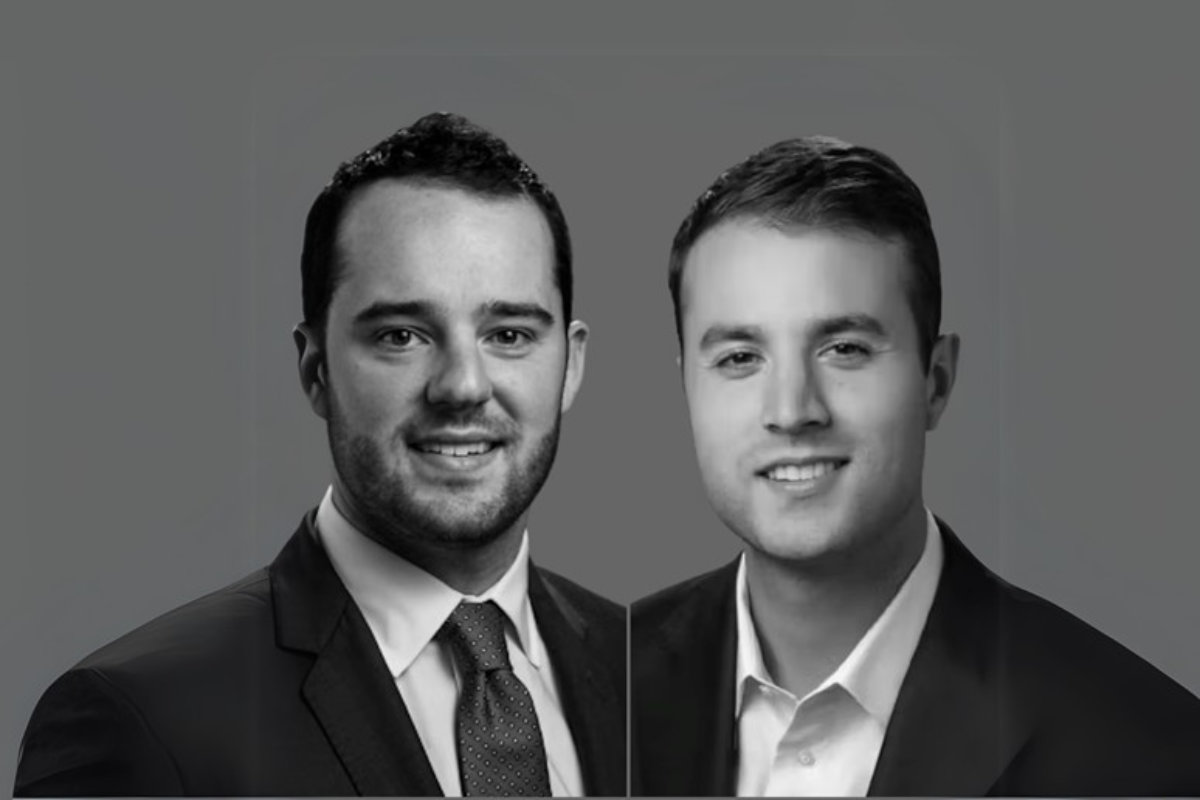
From his vantage point in Boston’s commercial real estate market, Casey Valente is witnessing a remarkable transformation. As foreign capital flows in and creative deal structures emerge, the market is showing surprising resilience amid shifting dynamics. As Associate Director of Capital Markets at Newmark, where he leads the Private Capital Group alongside partner Joseph Alvarado, Valente has closed nearly $700 million in transaction volume over the past five years.
“The basis reset is certainly real,” Valente observes. “On average, of the last five deals we’ve marketed in a six to eight month period, we’ve averaged 12 or more offers.” This surge in competitive interest has fundamentally shifted how deals get done, with buyers taking unprecedented steps to win deals. In one recent transaction, his team secured a $1 million non-refundable deposit on a $13 million deal – representing nearly 8% of the purchase price committed upfront.
Boston’s strong fundamentals continue to attract significant foreign capital, even amid broader market uncertainty. Valente points to a recent transaction that set a record for price per door, purchased by Japanese investors. The city’s unique characteristics play a crucial role in attracting international buyers. “The fundamentals of Boston are completely different and a little bit more insulated than other markets, meaning the healthcare system, the school system,” he explains. This institutional appeal was recently demonstrated when an international buyer purchased a $7.7 million downtown property sight unseen, based solely on their connection to Boston University. The property is now slated for residential conversion.
The office sector tells an equally compelling story across Boston, though with more nuanced dynamics. While Class B and C properties continue to face headwinds, Class A properties with strong amenities are finding success. At a downtown location, the landlord invested $3.5 million to build out space for Tatte Bakery as an amenity play, structuring a percentage rent deal that has already helped attract larger office tenants. This marks a significant shift from recent market conditions. “Any building that is fully amenitized in downtown is seeing a lot of uptick and less pressure on the leasing side,” Valente notes, a stark contrast from 14 months ago when landlords were offering $100 per square foot in tenant improvements and 24 months of free rent to attract tenants.
This bifurcation in the office market has led Valente’s team to emerge as a leader in office-to-residential conversions, completing approximately 10 such projects. These opportunities are attracting substantial interest, with a recent conversion project in Post Office Square trading 22% above guidance. The trend has been accelerated by Boston’s tax incentive program, which offers a significantly expedited approval timeline of four to five months, compared to 24-36 months for ground-up development.
The changing market has also sparked innovation in deal structures, particularly in response to the higher interest rate environment. Valente’s team is currently working on several seller financing arrangements, particularly with private sellers. For development sites, some deals now feature lower upfront payments coupled with profit participation once projects are fully permitted or stabilized. These creative approaches are helping bridge the gap between seller expectations and buyer constraints in the current market.
Looking into 2025, Valente expresses measured optimism about potential policy shifts and their impact on interest rates. However, he emphasizes that leasing activity remains crucial for market recovery. Despite ongoing challenges, Boston’s strong fundamentals and institutional appeal continue to attract both domestic and international investment, suggesting a potentially robust recovery as market conditions stabilize.
The market’s resilience through creative deal-making and adaptive reuse, particularly in the office sector, demonstrates Boston’s unique position among major markets. While challenges remain, Valente’s observations suggest the foundation for recovery is strengthening as market participants adapt to new realities.
Similar Articles
Explore similar articles from Our Team of Experts.