
Ayson Shammami, Managing Partner at APEX Commercial Real Estate Advisors, recently addressed the most common questions about triple net lease investment in today’s market. In a detailed in...

Companies Rethink Office Design: Same Space, New Purpose as Amenities and Wellness Take Center Stage

Written by:
Date:
19 Jan 2026
Share via Facebook

Share via Linkedin

Share via X

Copy to clipboard

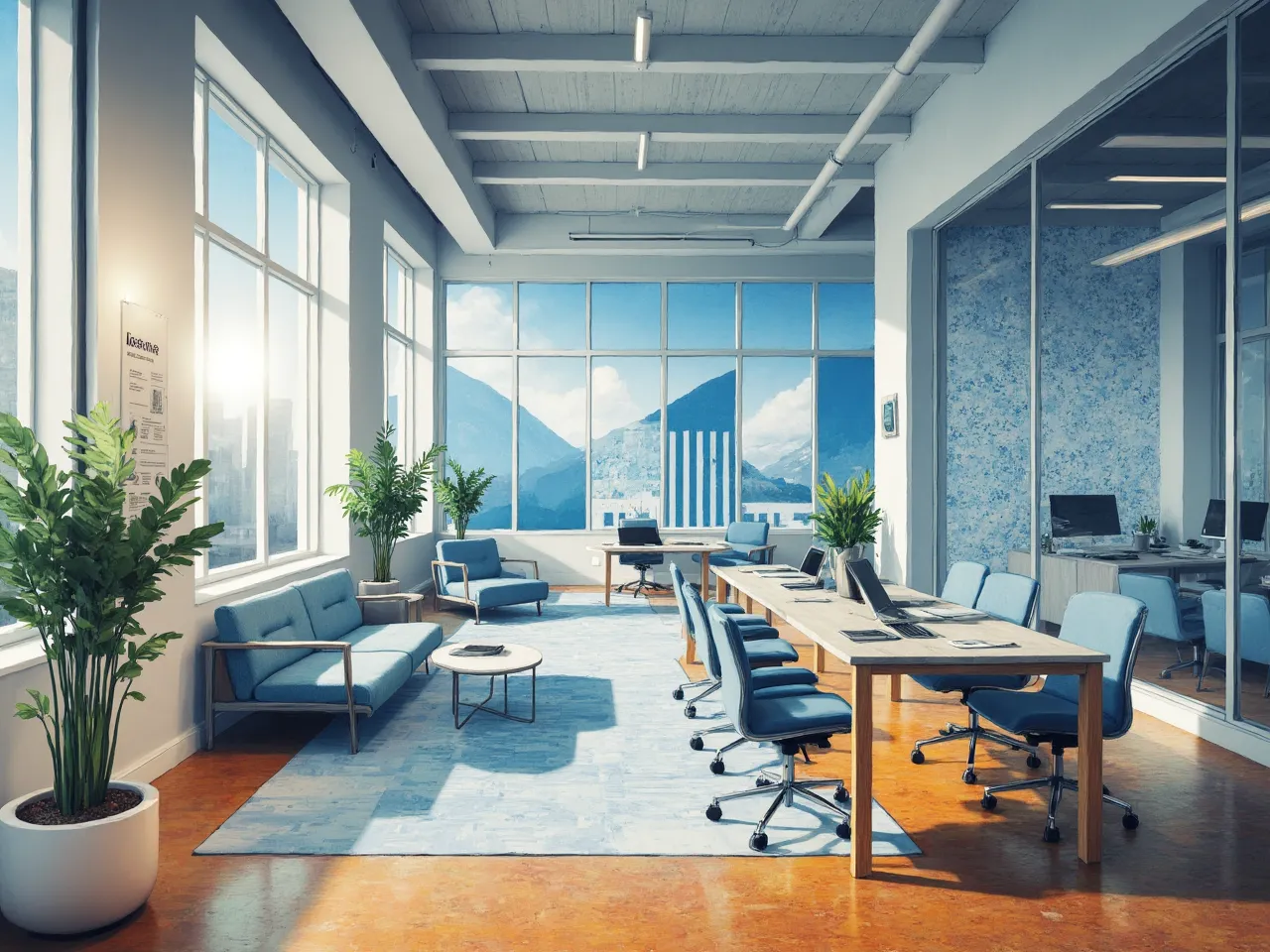
The debate over return-to-office policies has centered on mandates and compliance, but beneath the surface, companies are rethinking the purpose of their office space. Michael Rait, Founder and President of BR Design Associates, says businesses are no longer treating offices simply as places where work is done. Instead, they are redesigning them to support specific types of collaboration, culture-building, and employee well-being.
“We’re seeing firms that are growing, and while they might have fewer people in the office at any given time, they’re adding more amenities,” Rait says. “There are more collaborative areas, larger pantries, gyms, and similar features to bring their employees back and incentivize them to return.”
Office Size Holds Steady, But Space Allocation Shifts
Despite predictions that hybrid work would shrink office footprints, Rait reports that companies are still seeking as much space as before the pandemic. “If somebody was looking for 10,000 square feet pre-pandemic, they’re still looking for 10,000 square feet now or more,” he says. There has not been a significant decrease in the amount of square footage clients are requesting.
The difference, Rait explains, is how that space is used. While companies may have reduced the number of individual workstations due to hybrid schedules, they have replaced that space with amenities, collaborative areas, and wellness features that were rare five years ago.
Fitness centers, expanded pantries, wellness rooms, and shared conference facilities have become standard features, especially for companies aiming to attract employees back to the office. What were once considered perks are now viewed as necessities.
Wellness Becomes a Core Feature
Investment in wellness features is a particularly notable trend. “Wellness is essential and critical to a lot of clients now because of the pandemic and the need to spread out on the floor,” Rait explains. “It became much more front of mind for tenants, and landlords are responding by making buildings WELL certified.”
Previously, buildings pursued LEED certification for environmental sustainability. Now, wellness certification—which covers air quality, natural light, and occupant health—has become equally important. This shift signals a new expectation for what office buildings must provide.
Rait sees this investment as a direct response to the competition from remote work. “Our business is dependent on people returning to the office,” he says. “If there are no offices, I’m not in business. We came back to the office very quickly during COVID. If we weren’t back in the office, how can we expect our clients to be back?”
Trend Extends Across Industries and Company Sizes
This emphasis on amenities and wellness is not limited to large corporations or specific sectors. Rait points out that companies of all sizes and industries are making similar investments. “JP Morgan Chase just built a beautiful high-rise headquarters in Midtown, which is 2 million square feet of space,” he notes. “They’re insisting their staff come back five days a week. But there are plenty of other companies, small companies, that have employees back five days a week.”
Professional service firms, consulting practices, and nonprofits are also reconsidering their office designs. While budget constraints may limit the scale of these changes, Rait says the underlying goal is the same: to give employees a compelling reason to be in the office beyond just fulfilling a requirement.
Landlords Adapt to New Tenant Demands
Tenant expectations are also changing the way buildings are designed and operated. Landlords are investing in building-wide amenities and wellness certifications that individual tenants might not be able to provide.
Rait observes that the traditional office model—rows of desks and standard conference rooms—is quickly becoming outdated. The office companies are now designing with a focus on experiences and interactions that remote work cannot offer, rather than simply providing a place to sit and work.
Uncertain Impact on Long-Term Office Attendance
It remains unclear whether these new office designs will drive sustained return-to-office attendance. However, based on Rait’s experience with dozens of projects, companies are investing heavily in amenities and collaborative spaces, betting that these features will help bring employees back.
The shift in office design reflects a broader recognition that office space must now compete with the flexibility of remote work. Companies are not reducing their space requirements, but they are fundamentally changing what that space is for. The modern office is being reimagined as a hub for collaboration, wellness, and culture—a marked departure from its pre-pandemic role.
Similar Articles
Explore similar articles from Our Team of Experts.

Industry Profiles, Real Estate Investment, Residential Real Estate, Real Estate Services, Market Analysis & Policy
The American dream of homeownership now faces significant obstacles. In the 1970s, the average home price was just under twice the median income. Today, that ratio has risen to around six ti...