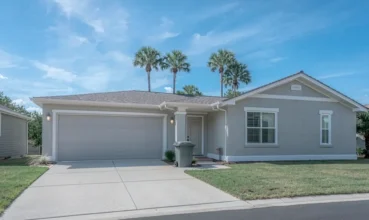
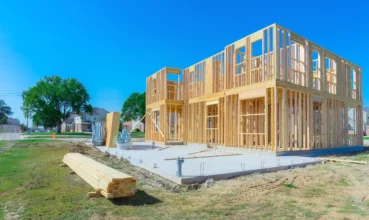
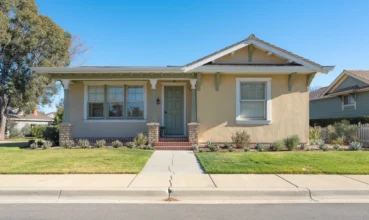
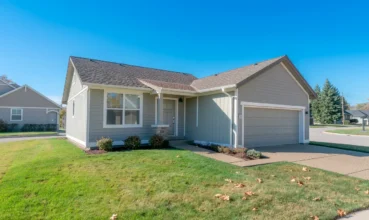
Market insider reveals unexpected pricing dynamics creating unique investment opportunities. A surprising pricing dynamic is emerging in the Twin Cities multifamily market, where Class A properties are trading significantly below replacement cost, according to Heidi Addo, Vice President at Michel Commercial Real Estate.
The Numbers Tell the Story
“Our Class A average in Q2 was 236,000 per unit,” Addo reports, emphasizing that “that is well below the cost to build that property.” This pricing dynamic is creating what she describes as “a real opportunity” for investors looking to enter or expand in the market.
The pricing patterns are particularly notable in suburban locations, where Addo points to recent transactions demonstrating the market’s current dynamics. “We recently sold a 34.5 million dollar property in a desirable suburb, for a 5.5% cap rate,” she notes, describing this as representing neutral leverage in the current environment.
Shifting Buyer Preferences
According to Addo, investor interest is increasingly focused on newer properties in suburban locations. “1990s or 2000 year built or newer, they’re getting definitely the most looks,” she explains, noting particular interest from out-of-state groups.
This preference shift has created distinct market segments. While Class A suburban properties attract significant attention, Addo notes that “older product, 60s product, or older product, is getting less interest than it ever did,” attributing this partly to insurance challenges and capital expense considerations.
Market Entry Strategy
For investors considering the Twin Cities market, Addo suggests a broad-based approach. “Underwrite the deal in the way that you feel comfortable, whether it’s cash on cash, whether it’s cap rate, whether it’s internal rate of return, offer on as many properties as possible,” she advises.
The rationale behind this strategy, according to Addo, lies in the market’s fundamental strength. “All of our suburbs have had income growth, and all of them have appreciated,” she explains, noting that “every single suburb in our market is doing better than it was last year.”
Looking ahead, Addo suggests the current pricing dynamics could present a limited-time opportunity. With strong fundamentals and below-replacement-cost pricing, she argues the market offers unique potential for well-positioned investors.