

The master-planned community sector has changed notably over the past decade, driven by shifting demographics, evolving lifestyle preferences, and economic pressures. At the forefront of thi...

Brooklyn Industrial Market Adjusts as Financing Challenges Reshape Deal Flow

Written by:
Date:
11 Feb 2026
Share via Facebook

Share via Linkedin

Share via X

Copy to clipboard

The Brooklyn industrial real estate market is recalibrating as higher interest rates and tighter lending conditions prompt buyers and sellers to rethink their strategies. After several years of strong growth, the sector now faces a more complicated environment, marked by reduced access to credit and a greater reliance on alternative financing.
From Film Post-Production to Industrial Brokerage
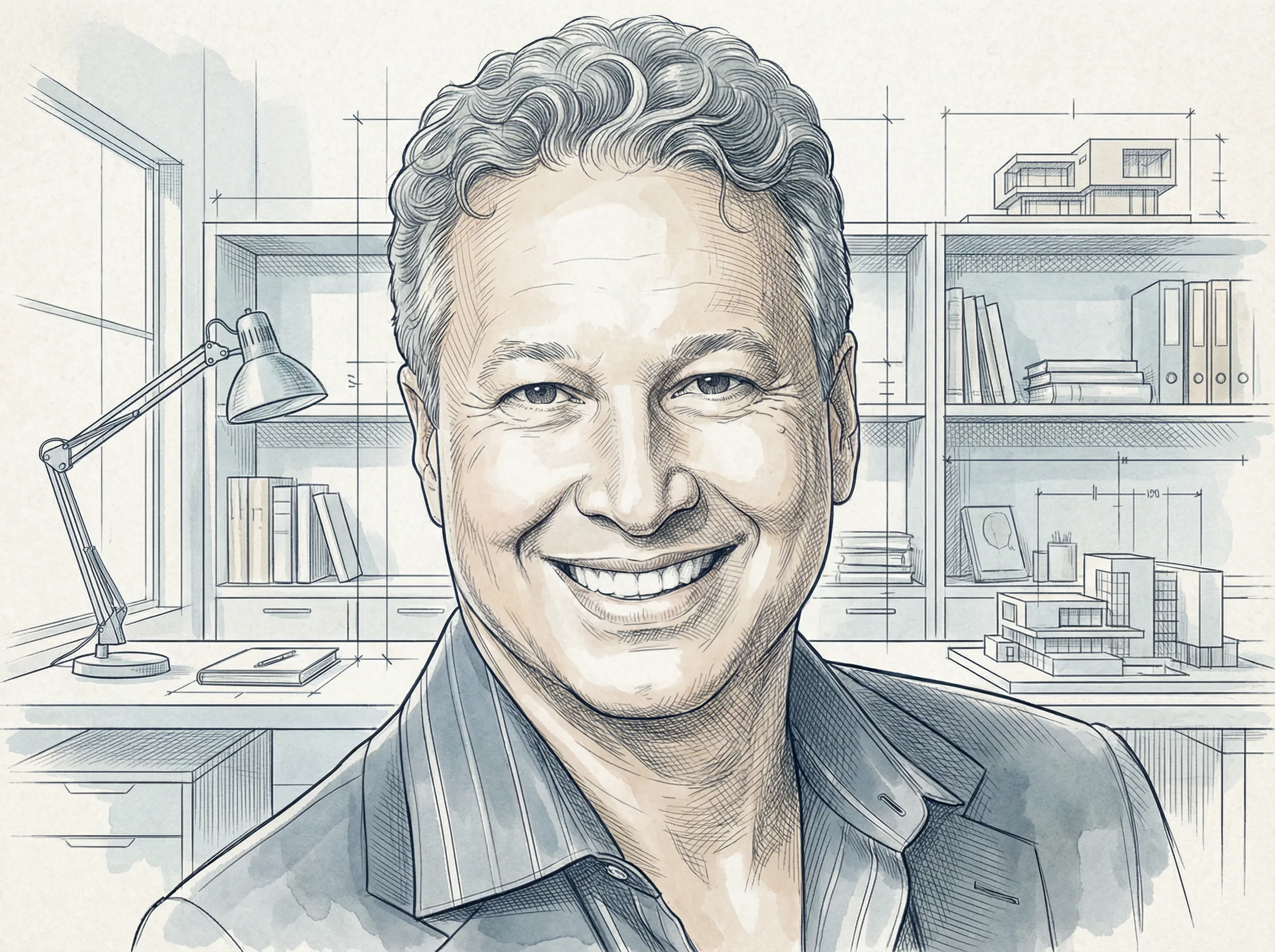
Eitan Hakami’s entry into commercial real estate followed two decades in film and television post-production. As his company expanded, he gained hands-on experience negotiating leases for about 50,000 square feet of office space in Manhattan’s West Village. When he sold the business in the mid-1990s, moving into real estate full-time was a logical next step. Eitan Hakami, a licensed associate broker at Greiner Maltz Real Estate in LIC, a 70 yr old company with 4 offices covering the NY Metro area, has spent the past five years focused on Brooklyn and Queens industrial properties, helping clients navigate a market that has become notably more complex.
Post-Pandemic Market Realities
Brooklyn’s industrial sector surged after the pandemic, as demand for warehouse and distribution space soared. Companies sought to shore up supply chains and bring operations closer to end users, driving a wave of new construction. “After COVID, there was a lot of reshoring, and there was a feeling of reassuring supply chains,” Hakami says. However, this boom led to overbuilding in larger properties and a rise in rents in smaller properties, which have been stubbornly resistant to coming down.
With interest rates climbing, the cost of buying and financing industrial properties has increased sharply. “When interest rates go up, everything becomes less affordable, so people can’t really access the credit market and the banks to finance their property,” Hakami explains. As a result, most buyers today are either exchanging into new properties through 1031 like-kind exchanges or paying all cash. Sellers are less inclined to deal with Buyers who need a mortgage contingency to finance a deal.
Regulatory Changes Push Capital Out of Multifamily
Shifts in New York’s regulatory environment have also altered the investment landscape. Stricter rent laws and new requirements, such as a “right of first refusal” that obliges sellers to offer multifamily properties to the city before private buyers, are driving many investors out of the multifamily sector. “Ever since the new administration came into power, people have been trying to get rid of multifamily properties. There are too many regulations associated with multifamilies,” Hakami observes.
Many of these investors are redirecting capital toward industrial and retail assets, hoping to avoid regulatory uncertainty and the restrictions now associated with apartment buildings. Over the past few months, Hakami has seen increased interest in diversifying away from multifamily and into commercial sectors perceived as less risky.
Owner-User Patterns Limit Supply
A defining feature of the Brooklyn industrial market is the dominance of longtime owner-users. Many property owners acquired their buildings decades ago at much lower prices. Now that values have risen dramatically, they face a dilemma: sell and realize a large tax bill, or continue to hold and lease the asset. “People who bought a property for tens of thousands now find their property is worth a few million, ask ‘What are we going to do with this money?’” Hakami explains. Without a clear reinvestment plan, many choose to lease rather than sell, keeping inventory tight.
This behavior is widespread among smaller, family-owned businesses, which often see their properties as a source of generational wealth. Larger corporate owners, by contrast, are under more pressure to deploy capital efficiently and may be more likely to sell when the numbers make sense.
Creative Financing Fills the Gap
With banks tightening lending standards and appraisals frequently coming in below contract prices, buyers and sellers are turning to creative financing. Seller financing has become much more common than in the past. “Quite a few of my recent sales have been done with seller financing,” Hakami reports. In these transactions, the seller acts as the lender for a set period, allowing the buyer to avoid the bank and often secure better terms. It’s a win-win scenario. Sellers benefit by deferring capital gains taxes and earning interest on the note, while buyers save money on various bank fees, appraisals, and, not uncommonly, get better financing terms from a seller than a traditional bank would offer.
The lending environment has become a consistent obstacle. I have seen it too many times. A buyer banks on a certain loan amount promised to him by the bank, based on the bank’s underwriting and loan-to-value lending policy. Then all too often the appraisal comes below the value of the purchase,” Hakami notes. This pattern leaves a funding gap that only seller financing or significant cash reserves can bridge.
Geographic Hotspots and Investment Strategies
Despite financing challenges, investor interest remains strong in select areas. Northern Brooklyn neighborhoods such as Greenpoint and Williamsburg, along with Sunset Park, continue to attract buyers looking for proximity to Manhattan and major transportation routes. Ridgewood, straddling the Brooklyn-Queens border, is emerging as a lower-cost alternative with room for growth.
The enduring appeal of these locations stems from their access to Manhattan, diverse businesses, and logistical advantages, such as Expressways and trucking routes, and proximity to import hubs like Newark and JFK. These fundamentals have helped insulate core Brooklyn industrial markets from more severe slowdowns seen elsewhere.
Rezoning and Development Potential
Investors are increasingly targeting properties with rezoning or redevelopment potential. Areas south of the Queensborough Bridge that have been rezoned for mixed use permit owners to convert single-story warehouses into multi-story residential or mixed-use projects. “You take a single warehouse that has a 5,000 square-foot footprint, and if you could build five, six, seven stories of residential there, then you’ve made out with a lot of money,” Hakami says. Much of the current speculation centers on identifying neighborhoods likely to undergo future zoning changes.
Environmental Risks and Due Diligence
Environmental contamination remains a significant risk, especially in industrial areas of Northern Brooklyn with long histories of manufacturing and warehousing. Hakami warns that some buyers still skip environmental assessments — Phase I or Phase II reports — but this is increasingly rare as lenders and investors become more risk-averse. “There’s less tolerance to deal with any properties that have any environmental issues. Twenty-four months ago, they would have said, ‘Okay, fine, we’ll deal with it, put a price on it and move on.’ Now it’s like, ‘Not interested in dealing with it.’” While your traditional owner-operator buyer is more likely to walk away from properties with unresolved contamination, preferring to avoid both the cost and uncertainty of remediation, there are investors who know how to deal with such properties, can stomach the risk, and factor that risk into their purchase offers.
Market Outlook
Looking ahead, Hakami expects the Brooklyn industrial market to remain stable, with neither a sharp downturn nor a dramatic rebound on the horizon. “I don’t feel anything happening that makes me overly optimistic that we’re going to have a boom, but I also do not see anything happening that we’re going to have a bust where stuff is going to just tank,” he says. The most likely scenario is a period of steady, selective deal flow, with well-located properties continuing to attract interest.
For non- institutional investors, Hakami recommends focusing on single-story industrial properties, which offer flexibility and lower risk. Upper-floor industrial spaces are, mostly, less desirable and often trade at discounts to ground-floor properties due to access and usability concerns.
Adapting to New Market Conditions
The Brooklyn industrial market’s current phase is defined by adaptation. Higher borrowing costs, regulatory shifts, and tighter supply have made creative deal-making essential. Seller financing, a renewed focus on prime locations, and careful due diligence are now central to successful transactions. Investors who adjust their strategies, embrace alternative financing, and target properties with long-term growth fundamentals are best positioned to capitalize on a market that rewards patience and flexibility.
While the days of rapid price appreciation and easy financing are over, Brooklyn’s industrial sector continues to offer value for those willing to navigate its new realities. The emphasis has shifted from aggressive expansion to careful selection, risk management, and creative structuring, hallmarks of a market maturing in response to broader economic pressures.
Similar Articles
Explore similar articles from Our Team of Experts.




Real Estate Investment, Commercial Real Estate, Market Analysis & Policy, Industry Profiles, Top Articles
Remote transactions are reshaping Miami’s luxury pre-construction real estate market, with a surge in cash buyers and a growing share of activity that does not appear in public sales data....

