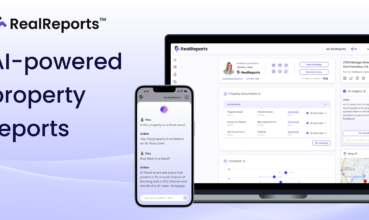
In today’s evolving commercial real estate landscape, data-driven decision making has transitioned from competitive advantage to absolute necessity. As organizations navigate the compl...

Why Algorithms Can’t Replace Human Judgment in Real Estate

Written by:
Date:
13 Aug 2025
Share via Facebook

Share via Linkedin

Share via X

Copy to clipboard


The rush to automate every aspect of real estate transactions risks undermining the essential human elements that make deals work, according to Asher Walli, a seasoned agent with Charles Rutenberg Realty.
The Human Element in Complex Transactions
“Technology should enhance the real estate experience, not dominate it,” Walli argues. “I’ve seen too many deals fall apart because automated systems failed to account for the nuanced human factors that influence property decisions.”
According to Walli, while automation can streamline paperwork and improve communication efficiency, it falls short in critical areas that require emotional intelligence and interpersonal skills. “Real estate isn’t just about property features and market data, it’s about understanding clients’ unstated needs, reading body language during showings, and navigating complex family dynamics in investment decisions.”
The Risks of Over-Automation
Walli points to several examples where over-reliance on technology has backfired:
- Automated valuation models that fail to account for unique property characteristics
- Chatbots that frustrate clients seeking nuanced advice
- Digital showing platforms that miss crucial in-person observations
“When we remove the human element from real estate, we’re not just losing the personal touch – we’re potentially missing deal-making opportunities that only come from face-to-face interaction,” Walli explains.
Finding the Right Balance
Rather than rejecting technology outright, Walli advocates for a balanced approach that leverages automation while preserving crucial human touchpoints. “The key is identifying where technology truly adds value versus where it creates artificial barriers between agents and clients.”
He suggests that brokerages should:
- Use automation for routine tasks like document processing and scheduling
- Maintain personal involvement in property evaluations and negotiations
- Keep human agents central to client communications and relationship building
Looking Forward
As the industry continues to evolve, Walli believes the most successful agents will be those who effectively combine technological tools with strong interpersonal skills. “The future of real estate isn’t about choosing between human expertise and technology, it’s about finding ways to let each complement the other.”
Similar Articles
Explore similar articles from Our Team of Experts.