

Buyers looking for homes under $500,000 in Southwest Florida might be expecting fierce competition and quick sales, but the reality is different. Today, it’s the million-dollar listings on...

Appraisal Gaps Are Quietly Killing Deals in Central Ohio

Written by:
Date:
05 May 2026
Share via Facebook

Share via Linkedin

Share via X

Copy to clipboard

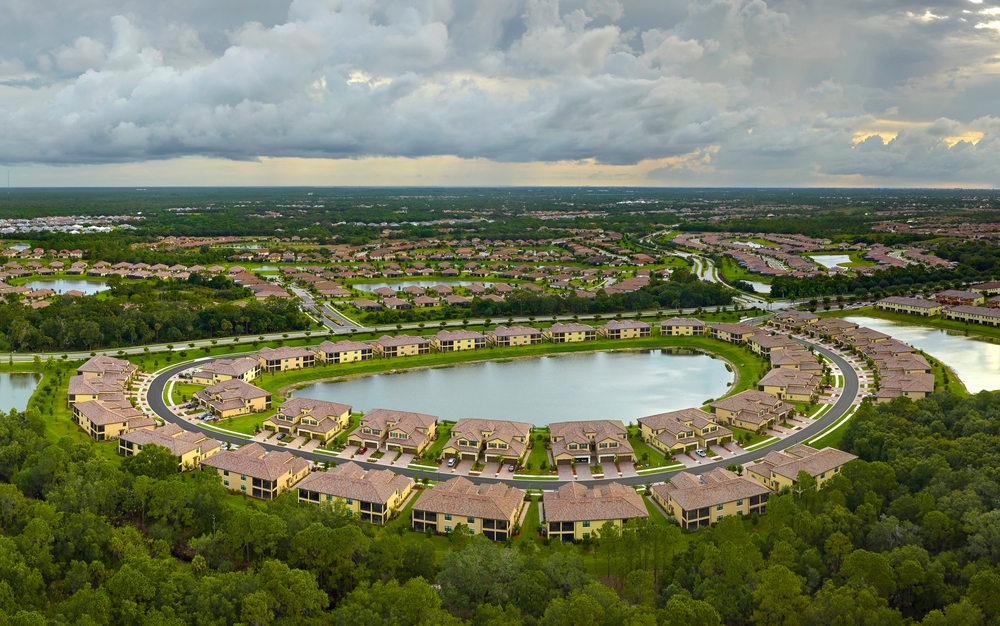
In competitive markets where homes sell in under a week, and buyers routinely bid above asking price, a friction point is emerging that neither buyers nor sellers can fully control: the appraisal. According to Paula Koontz, Team Lead and Realtor at The Koontz Team, Keller Williams Classic Properties Realty, appraisal shortfalls are becoming one of the most disruptive forces in Central Ohio transactions, and the problem is compounded by the inherent subjectivity of the valuation process itself.
“You’re kind of just at the mercy of the appraiser,” Koontz says, “because one appraiser could appraise the house at this price and the next appraiser could appraise the house at a different price.”
When Appreciation Outpaces the Appraisal Process
Central Ohio home values have been appreciating at roughly 8% per year, according to Koontz, and in high-demand neighborhoods like Upper Arlington and Grandview, well-priced homes routinely attract multiple offers within days of listing. That pace of appreciation creates a structural problem for appraisals, which rely on comparable sales data that may not yet reflect the most recent price movement in a neighborhood.
When a buyer submits an aggressive offer to win a bidding war, the purchase price can easily exceed what an appraiser, working from older comps, is willing to validate. The result is what Koontz describes as an appraisal “cut,” where the appraised value comes in below the agreed purchase price. In that scenario, either the buyer must make a larger down payment to cover the difference, or the seller must lower the price to match the appraisal.
This dynamic is particularly acute in Columbus, where institutional demand, driven by relocating employees from major hospital systems, large corporations, and Ohio State University, keeps buyer pressure elevated even as inventory remains tight.
A Three-Way Negotiation
Appraisal gaps are especially difficult to manage because they introduce a third party into what should be a two-party negotiation. Once an appraisal comes in low, the transaction effectively stalls until the buyer, the seller, and sometimes the lender can reach a new agreement, and there is no guarantee that an agreement is possible.
If the buyer cannot or will not cover the gap with additional cash, and the seller refuses to reduce the price, the deal collapses. In a market where sellers have grown accustomed to strong offers and quick closings, an appraisal shortfall can feel like a sudden reversal of fortune.
Koontz says the challenge centers on “figuring out the next steps and trying to keep everybody in agreement and keeping the deal moving forward.”
For buyers, the stakes are equally high. Many have already competed against multiple offers, waived contingencies, and committed emotionally to a property. Being asked to bring additional cash to closing, often tens of thousands of dollars above their budget, can derail a transaction even when both parties want it to proceed.
The Broader Implication for Market Pricing Confidence
The appraisal gap problem is not unique to Columbus, but it is particularly visible in markets with sustained appreciation and low inventory. When appraisals consistently lag behind transaction prices, it quietly erodes pricing confidence on all sides. Buyers begin to wonder whether they overpaid. Sellers question whether their asking price was justified. Lenders face increased risk exposure on loans where collateral values are uncertain.
Koontz’s observation that two appraisers can reach materially different valuations on the same property points to a deeper issue: appraisal methodology was not designed for markets moving at this speed. Comparable sales data, by definition, looks backward. In a market where values are rising 8% annually, and homes sell in under a week, the gap between what the market says a home is worth and what an appraiser can document may continue to widen.
For the broader industry, this raises questions about whether current appraisal standards are adequate for high-velocity markets and whether buyers and sellers need new tools or contract structures to manage the risk.
A Hands-On Approach to Keeping Deals Together
Given how frequently appraisal complications arise, Koontz says close client involvement at every stage, from pricing strategy through contract negotiation, is what allows her team to anticipate where gaps might emerge and prepare clients accordingly. “I try to make sure the contract is really, really locked down,” Koontz says, describing her approach to protecting sellers from transaction failures of all kinds, including appraisal-related ones.
For sellers, that means pricing homes strategically to attract strong offers while remaining defensible to appraisers. For buyers, it means entering competitive situations with a clear understanding of what happens if the appraisal does not support the offer price.
As Central Ohio continues to attract relocating buyers and institutional investment, the appraisal gap problem is unlikely to be resolved on its own. Whether the industry responds with updated valuation methodologies, broader use of appraisal contingency waivers, or new contract structures, the challenge Koontz describes may push more agents and clients toward proactive deal management, treating a signed contract as the beginning of a process rather than the end.
About the Expert: Paula Koontz is the team lead of The Koontz Team at Keller Williams Classic Properties Realty, specializing in residential real estate across Central Ohio.
This article is intended for informational purposes only and does not constitute legal, financial, or investment advice. The views and opinions expressed herein reflect those of the individuals quoted and do not represent an endorsement of any company, product, or service mentioned. Readers should conduct their own due diligence and consult qualified professionals before making any investment decisions.
Similar Articles
Explore similar articles from Our Team of Experts.