A growing number of Canadian homeowners over 55 are making a choice that would have seemed counterintuitive a generation ago: selling the family home and renting an apartment instead of buyi...

In Rockland County, Limited Land and Strong Demand Keep Housing Prices Climbing

Written by:
Date:
01 May 2026
Share via Facebook

Share via Linkedin

Share via X

Copy to clipboard

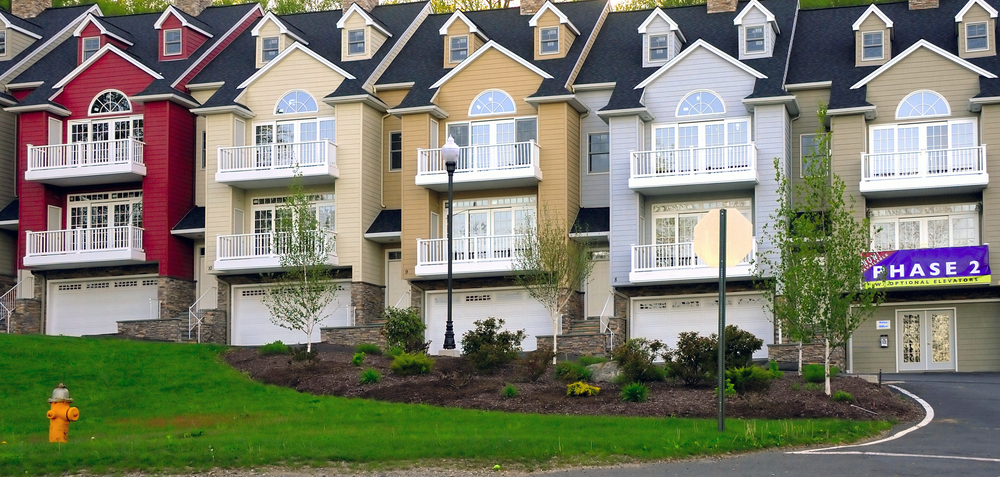
There’s a reason real estate investors keep running into the same problem in Rockland County, New York: there’s almost nothing left to buy at a bargain. The county is small, nearly fully developed, and packed with buyers who want to live there, not flip it.
That dynamic has created one of the most persistently competitive housing markets in the New York suburbs. Average sale prices have climbed from around $450,000 to $500,000 before the pandemic to $750,000 to $800,000 today — a sustained increase driven by limited supply and steady demand. For anyone thinking about buying, selling, or investing here, understanding what’s moving and what isn’t could save significant time and money.
Margo Bohlin, Associate Broker at Howard Hanna Rand Realty, has sold homes in Rockland County for nearly 39 years. “There’s no land left,” she says. “It’s basically a resale market county.” That single fact shapes how this market works.
What’s Available — And Who’s Competing for It
Rockland’s inventory constraint is structural. The county is tiny — you can drive from one end to the other in about 15 minutes — and almost all of it is already built. New construction isn’t a meaningful factor. Every buyer is chasing the same pool of existing homes, and that pool shrinks further when owners with low pandemic-era mortgage rates decide to stay put rather than sell.
The buyers competing here aren’t just locals. Bohlin sees a consistent wave of people who grew up in Rockland, moved to New York City for work, and are now returning — married, starting families, and looking for the neighborhoods where they grew up. That emotional pull creates a buyer pool that isn’t going away.
What’s Moving Fast
Entry-level and mid-range homes priced correctly are the fastest-moving segment. When a home is priced right, multiple offers are common and deals close quickly. Bohlin says she prepares every buyer before they start touring: pre-approval in hand, attorney chosen, inspector identified. “Your head is going to spin,” she tells them.
The classic move-up path is also active. Buyers start with a co-op or condo, then move to a townhouse, then to a single-family home. Each step generates both a sale and a purchase, keeping the market churning even when overall inventory is tight.
Homes in neighborhoods with strong community appeal are drawing particular interest. Buyers today aren’t just evaluating square footage — they’re asking about parks, biking trails, school districts, and local businesses. Rockland’s Hudson Valley setting, with its mountains, rivers, and tight-knit neighborhoods, is a genuine selling point that Bohlin says buyers weigh more heavily than in years past.
What’s Sitting
Overpriced homes, without exception. Bohlin’s rule is straightforward: no offer in the first two weeks means the price is wrong. She uses a coming-soon strategy to test market interest before a home officially lists. If calls come in, the price is working; if it’s quiet, she adjusts before going live. Sellers who skip that step and list too high end up watching correctly priced homes around them sell.
Investors looking for a deal are also finding Rockland difficult to crack. Families and returning residents routinely outbid numbers-driven investors simply because they want the home more. “You are competing with a buyer who is buying with their heart and not with their calculator,” Bohlin says. With no land to develop and a resale-only market, the margin for investment plays is thin.
Homes that need significant work are slower too, especially at higher price points. Buyers stretching to afford Rockland’s current prices don’t have much left over for major repairs, and sellers who price as if the home is move-in ready — when it isn’t — see that reflected in longer days on market.
What Everyone Should Know
For buyers, the window on a good home is short. Having everything ready before seriously looking — pre-approval, attorney, inspector—is essential because the right place may allow days, not weeks, to act. Homes that have been sitting for more than two weeks may offer the only real negotiating room in this market.
For sellers, pricing is the single most important decision. A correctly priced home in Rockland will generate activity fast. A price set too high will stall, and a stale listing loses momentum quickly. Early market signals, like coming-soon interest, can help calibrate before committing to a number.
For small investors, the competition here is unlike markets with more distressed inventory or new development opportunities. In a county driven by emotional buyers and constrained supply, finding a workable deal requires patience and the ability to move fast when something does appear.
Looking ahead, the conditions that define Rockland’s market — no buildable land, a loyal returning buyer base, and limited inventory — show no signs of easing. Until either interest rates drop enough to unlock existing homeowners or a meaningful supply-side alternative emerges, prices are likely to remain firm, and competition will be stiff.
About the Expert: Margo Bohlin is an Associate Broker at Howard Hanna Rand Realty with nearly 39 years of experience selling homes in Rockland County, New York. Her deep familiarity with the county’s structural constraints and buyer dynamics makes her one of the market’s most seasoned guides for buyers, sellers, and investors alike.
This article is intended for informational purposes only and does not constitute legal, financial, or investment advice. The views and opinions expressed herein reflect those of the individuals quoted and do not represent an endorsement of any company, product, or service mentioned. Readers should conduct their own due diligence and consult qualified professionals before making any investment decisions.
Similar Articles
Explore similar articles from Our Team of Experts.