The influx of out-of-state buyers is reshaping Pocatello’s newly built homes market. While these buyers see new homes as more affordable than what they left behind, local buyers often see ...

That Empty Office Building Down the Street? It Might Become Your Next Home

Written by:
Date:
01 May 2026
Share via Facebook

Share via Linkedin

Share via X

Copy to clipboard

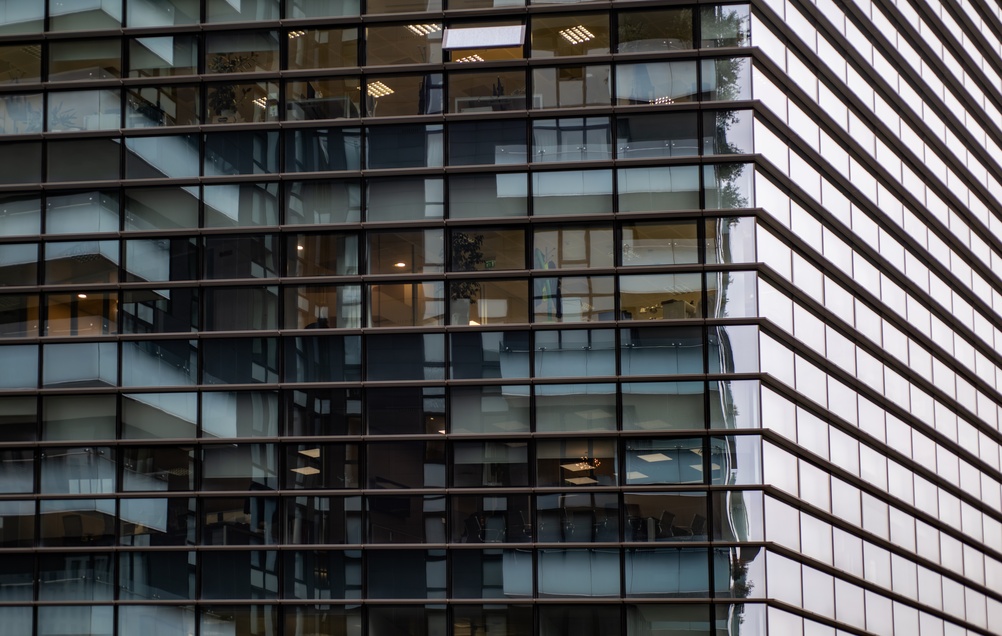
Drive through almost any downtown in America right now, and you’ll spot them — big office buildings with dark windows, empty parking garages, and “For Lease” signs that have been up for years. What’s surprising is what’s happening inside some of them. Architects and developers are turning these forgotten towers into apartments, schools, and condos — and the results are catching people off guard.
With office vacancy rates at historic highs and housing shortages squeezing renters in cities nationwide, adaptive reuse projects are accelerating. Steve Smith, a principal at Cooper Carry, a 66-year-old architecture firm that has worked in 47 states, has led some of the most ambitious office conversion projects on the East Coast. His message: these buildings aren’t dead. They’re becoming neighborhoods.
People Actually Want to Live There
Converted office buildings are leasing up fast — even under difficult conditions.
Smith points to a 600,000-square-foot building in Alexandria, Virginia, one of the largest adaptive reuse projects on the East Coast at the time. The team added three floors on top, converted office levels into parking, cut out slabs to create retail space, and replaced the entire exterior. It launched in March 2020, right as COVID hit. Within one year, all 520 units were 94% leased — during a pandemic.
A second project, City House Old Town, came to market in November, one of the slowest months for apartment leasing. Of 199 units, 49 were leased in the first month alone, with no rent concessions.
Why Are These Buildings So Appealing?
Most of these office buildings sit in downtown areas with walkable streets, restaurants, and transit access. The buildings themselves often have features that new construction can’t replicate — high ceilings, large windows, and unusual floor plans.
“There are a lot of folks out there that may celebrate something that’s not the typical new construction cookie-cutter stuff,” Smith says. Renters looking for character and personality are finding it in these conversions.
Cities are actively encouraging these projects. Municipalities have watched their commercial tax base shrink as office values have dropped over the past several years. Some cities, like Denver, are fast-tracking permit reviews for conversion projects. Washington, D.C. has streamlined its process too. Some jurisdictions are even waiving certain utility connection fees, recognizing that these buildings already have infrastructure in place.
What This Means If You’re Hunting
If you’re looking for a rental in or near a downtown area, converted buildings are worth a serious look.
Units in converted buildings often have non-standard layouts — wider rooms, deeper floor plans, or unusual window placements. That’s not a flaw. For many renters, it’s the whole point.
These buildings tend to lease quickly once they open. Smith’s projects show that even in slow seasons, demand has been strong. If you see a newly converted building come to market, don’t wait to schedule a tour.
Location is a real advantage. Many of these conversions sit in central neighborhoods where new apartment construction isn’t possible — meaning you get walkability and access that newer suburban developments simply can’t offer.
What This Means If You Own
If a former office building in your neighborhood is being converted to residential, that’s generally good news for nearby property values. More residents downtown means more foot traffic, more businesses staying open, and a more active street life — all of which support home values over time.
Smith makes a broader point about the cumulative effect of these projects. As more residents move into formerly commercial areas, those neighborhoods begin functioning as actual communities rather than places that empty out at 5 p.m. “If we are finding more and more people and rooftops being put in those locations, it can change how our downtowns are being used,” he says.
It’s Not Just Apartments
The conversion trend extends well beyond multifamily housing. Smith’s firm has turned a former IBM campus in Atlanta’s Buckhead neighborhood into a school for 2,800 students. They’ve converted historic buildings on Capitol Hill into university dorm rooms and old churches into condos.
Hotels are also entering the mix. According to Smith, hotel-to-residential conversions are gaining enough momentum that in some markets, they now outpace office conversions.
Looking Ahead
The pace of these conversions is likely to increase as office vacancies remain elevated and housing demand in urban cores stays strong. Cities that streamline permitting and offer financial incentives are positioning themselves to attract the projects — and the residents — that follow. For renters, buyers, and homeowners near these sites, the practical takeaway is straightforward: the empty building you’ve been walking past for years may soon be the most interesting address in your neighborhood.
“It’s the most sustainable thing you can do,” Smith says, “reusing that building and saving that energy.”
About the Expert: Steve Smith is a principal at Cooper Carry, a 66-year-old architecture firm with projects across 47 states, where he leads some of the East Coast’s most ambitious adaptive reuse conversions.
This article is intended for informational purposes only and does not constitute legal, financial, or investment advice. The views and opinions expressed herein reflect those of the individuals quoted and do not represent an endorsement of any company, product, or service mentioned. Readers should conduct their own due diligence and consult qualified professionals before making any investment decisions.
Similar Articles
Explore similar articles from Our Team of Experts.