

The trend toward delayed homeownership could have serious societal implications beyond just housing markets, according to Kent Keirsey, Co-Founder of Acre Homes, who points to research showi...

What It Really Costs to Build a Luxury Home in Miami Right Now

Written by:
Date:
01 May 2026
Share via Facebook

Share via Linkedin

Share via X

Copy to clipboard

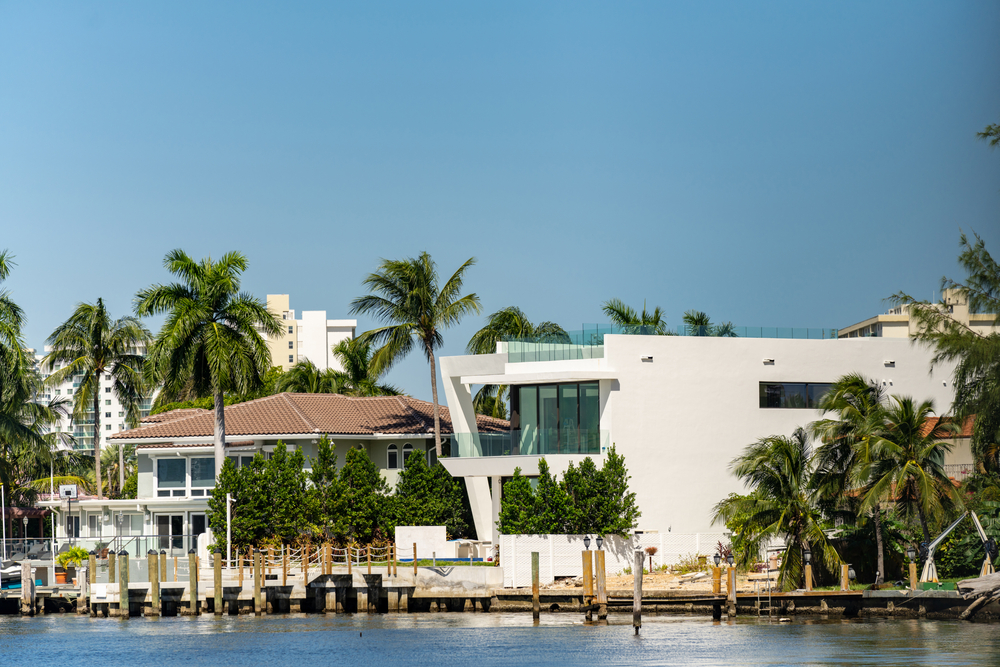
You’ve seen the listings. Stunning waterfront homes with custom finishes, open floor plans, and views that make you forget what state you’re in. But if you’ve ever wondered what it actually costs to build one of those homes from scratch — not buy it, build it — the numbers might stop you cold.
Construction costs for a true luxury custom build in Miami have more than doubled in just a few years, and waterfront land prices have surged alongside them. Humberto Ramirez, CEO of Humberto Ramirez Developers LLC and a Miami-based developer who has built more than 23 custom luxury homes over 15 years, breaks down exactly where the money goes — and what buyers and small investors need to understand before jumping in.
The Real Bottom Line
Ramirez estimates construction alone now runs between $800 and $1,000 per square foot for a high-end custom waterfront home in Miami. A few years ago, that same build cost $450 to $500 per square foot. On a 5,000-square-foot home, that difference adds up to $1.75 million or more — just in construction costs, before land.
Land prices have climbed just as sharply. Ramirez recently developed a property on Venetian Island, purchased for $5.2 million. Today, he says, that same lot would sell for more than $12 million. “To find the right waterfront land and do a good deal for investors,” he says, “is the most complicated part right now.”
Where Every Dollar Goes
Each major cost category for a luxury custom build in Miami has risen, according to Ramirez’s project experience.
Land is the single largest line item, often 40 to 50 percent of total project cost on waterfront deals. Waterfront lots are genuinely scarce, and prices have surged alongside demand.
Construction labor takes a growing share of the budget, driven by a tighter workforce. Many skilled tradespeople in South Florida are Latino immigrants, and recent immigration enforcement has reduced the available labor pool, pushing wages higher.
Materials and finishes — windows, aluminum, cabinetry, imported furniture, and high-end fixtures — have all increased sharply in price. Tariffs on imported goods have added another layer of cost that wasn’t present three years ago.
Interior design and custom work is where Ramirez says serious money gets spent. Premium finishes, custom furniture, and designer interiors can add hundreds of thousands to a project’s total. “When people come to our houses, they see exactly the house they want to live in,” he says.
Carrying costs and financing — construction loans, interest during the build period, insurance, and permits — all add to the final number before a single buyer walks through the door.
The Hidden Costs Most People Forget
Even experienced buyers underestimate several costs that rarely surface in early conversations.
Profit math is unforgiving. Ramirez is direct: if a home costs $10 million to build and sells for $10 million, you haven’t broken even — you’ve lost money. Between commissions, taxes, and investor returns, a $10 million build needs to sell for roughly $14 million to deliver a 20 percent return, according to Ramirez. Buyers who think they’re getting a deal at cost often don’t account for what it actually took to get there.
Deal-finding is its own cost. Ramirez says he reviews roughly 100 potential deals every month and moves forward on almost none. The time, due diligence, and overhead involved in sourcing the right land at the right price is a real expense that never appears on a line item.
Leverage risk is real. With costs this high, being over-leveraged can sink a project. A build that looks profitable on paper can collapse if financing terms shift or a sale takes longer than expected. “Always have the equity and leverage very comfortable,” Ramirez says.
How to Protect Yourself
If you’re considering investing in South Florida luxury development — even as a passive investor — Ramirez points to three things that matter most.
First, vet the developer’s track record. Experience with lenders, contractors, and the local market isn’t optional at this price point. Lenders respond to proven histories, not enthusiasm.
Second, understand the land before anything else. Waterfront lots are not created equal. Location, water access, lot size, and existing structures all affect what you can build and what it will sell for.
Third, know your exit before you enter. “The good deal is when you buy the land at the right price, spend the right money, and sell at a price that creates profit,” Ramirez says. If the math doesn’t work on paper before you start, it won’t work when you’re done.
Looking Ahead
In Miami’s luxury waterfront market today, total project costs — land, construction, finishes, and carrying costs — run far higher than anything developers or investors would have budgeted even three years ago. Rising material prices, a shrinking labor pool, and limited waterfront land show no signs of easing. For developers who can navigate those pressures, the margins are still there. For those who can’t, the gap between projected profit and actual loss is narrower than it has ever been.
This article is intended for informational purposes only and does not constitute legal, financial, or investment advice. The views and opinions expressed herein reflect those of the individuals quoted and do not represent an endorsement of any company, product, or service mentioned. Readers should conduct their own due diligence and consult qualified professionals before making any investment decisions.
Similar Articles
Explore similar articles from Our Team of Experts.



Perspectives, Residential Real Estate, Market Analysis & Policy, Real Estate Investment, Industry News
While many investors remained skeptical of San Francisco’s recovery prospects throughout 2024, one multifamily investment firm was already positioning itself to capitalize on the marke...