
With 361 residential sales above $10 million recorded in 2025, South Florida’s ultra-luxury segment is running at roughly twice the pace of five years ago — and the buyer profile bea...

Albuquerque's Market Just Split in Two – Here's Where Buyers Still Have Power

Written by:
Date:
29 Apr 2026
Share via Facebook

Share via Linkedin

Share via X

Copy to clipboard

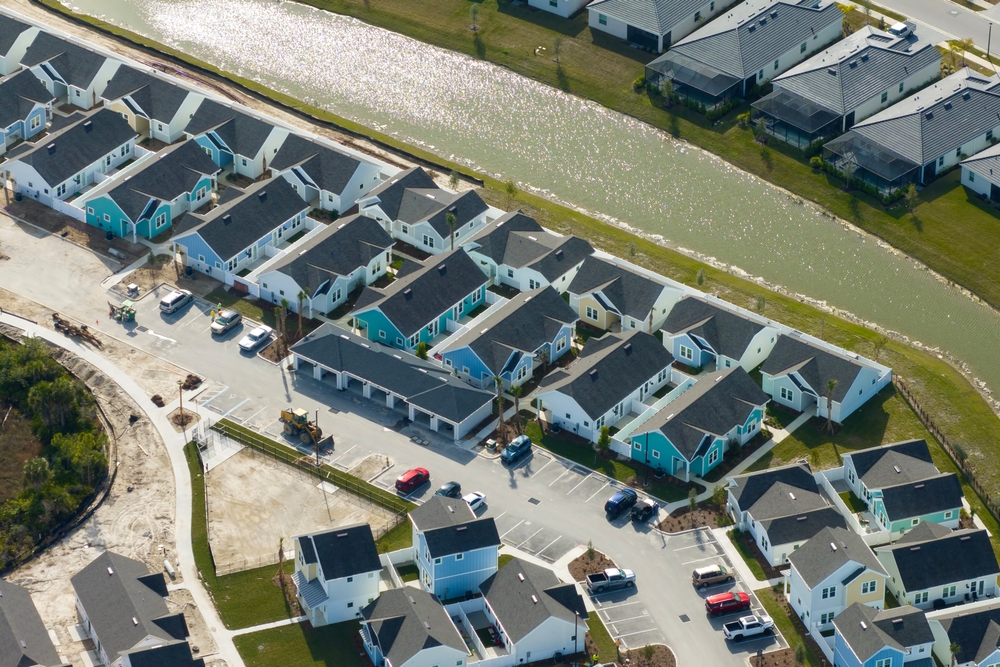
Albuquerque’s real estate market has fractured into two distinct realities. In some neighborhoods, homes in desirable school districts attract multiple offers and sell well above asking price. Just a few miles away, similar properties linger on the market with little or no interest. For buyers and sellers, understanding which side of this divide you’re on is critical to making the right move.
Rene Kessel, a Realtor with Coldwell Banker Legacy who closed 31 transactions last year, describes the city as a “split market.” Some areas still resemble the frenzied conditions of 2021, while others have slowed, giving buyers more negotiating room and time to decide.
Two Markets, Two Sets of Rules
Open houses in many Albuquerque neighborhoods now look very different from those they did a year ago. Instead of crowded sign-in sheets and rapid-fire offers, agents often see just a handful of visitors. Sellers who list at $800,000 are sometimes forced to cut their price to $775,000 after weeks without interest. Buyers are again negotiating for closing cost assistance and, in some cases, getting it.
Yet in neighborhoods near top-rated schools or close to Sandia Heights, competition remains fierce. Kessel notes that homes in these locations, when priced correctly, still draw strong offers. She recently advised a seller to wait a few days after receiving offers at the asking price. That patience paid off: the home ultimately sold for $25,000 above asking.
What’s driving the divide? Three factors: location, property condition, and seller motivation.
Why Some Homes Sell Fast, and Others Sit
Albuquerque’s housing inventory has increased slightly over the past year, but not dramatically. The real change is in buyer behavior. With less urgency, buyers are more selective and focus on homes that are move-in ready. Outdated kitchens, deferred maintenance, or obvious repair needs now turn buyers away.
“Houses that are outdated or need work are sitting on the market longer,” Kessel says. Sellers who skip updates often end up with lower offers or extended time on the market. “If they had done the updates themselves, they probably would have more money in their pocket.”
Another factor is the number of owners locked in at low mortgage rates during the pandemic. Many of these homeowners have little incentive to sell, especially in sought-after neighborhoods. This keeps inventory tight in the most desirable pockets, even as other areas see more listings and slower sales.
Interest rates also play a major role. When rates rose, some buyers paused their searches, hoping for a drop. But prices continued to climb, leaving some would-be buyers priced out. Kessel recalls a young couple who waited for rates to fall, only to find that rising prices pushed them out of the market altogether.
How Buyers Can Gain an Edge
In Albuquerque’s most competitive neighborhoods — those with good schools, updated homes, and walkable amenities — buyers still face multiple-offer scenarios. Kessel cautions against lowballing or asking for seller concessions right away. “Some buyers think the whole market is in their favor, but they end up losing out when they make aggressive demands on new listings,” she says.
In slower neighborhoods, however, buyers have more leverage. Kessel advises prospective buyers to tour several properties, negotiate for repairs, and request concessions if a home has been listed for more than three weeks. For those who can manage current mortgage payments, she suggests not waiting for rates to drop. “You can always refinance when rates go back down,” Kessel says, emphasizing that waiting can mean missing out as prices rise.
What Sellers Need to Know
For sellers in prime locations with move-in-ready homes, pricing correctly remains key. Kessel advises against underpricing or panicking if offers don’t arrive immediately. Well-prepared homes in the right neighborhoods still attract competitive bids and can sell above asking.
Sellers in slower-moving areas, or those with homes needing updates, face a different reality. Modest improvements — fresh paint, updated fixtures, and clean flooring — make a significant difference. Homes that appear as projects or require obvious repairs tend to linger and sell for less.
Kessel also encourages homeowners to consider their own motivations. Those holding onto low mortgage rates need to weigh whether a move is truly necessary. If not, waiting may make sense. But if a sale is required — due to life changes or other needs — she recommends pricing aggressively and making the property stand out among comparable listings.
Navigating The Split Market
Albuquerque’s housing market is no longer moving in a single direction. Buyers have more power in some areas, while sellers still hold the advantage in others. The difference often comes down to location, property condition, and seller urgency.
Buyers should identify which neighborhoods offer leverage and which demand quick, decisive action. In less competitive zones, patience and negotiation can yield better terms. In hot spots, realistic offers and flexibility are essential.
For sellers, the playbook depends on both the property and the neighborhood. Move-in-ready homes in top locations should be priced confidently and marketed for multiple offers. Homes needing work, or those in slower areas, benefit from modest updates and realistic pricing.
Looking Ahead
The Albuquerque real estate market is defined by its split personality — a dynamic that’s not likely to resolve soon. For buyers and sellers alike, the key is to recognize which market you’re operating in and adjust your strategy accordingly. As Kessel puts it, “It’s a weird market,” but those who understand the new rules can still find success on either side of the transaction.
About the Expert: Rene Kessel is a realtor at Coldwell Banker Legacy, Albuquerque. Specializes in emotionally complex sales, relocation buyers, and divorce transactions.
This article is intended for informational purposes only and does not constitute legal, financial, or investment advice. The views and opinions expressed herein reflect those of the individuals quoted and do not represent an endorsement of any company, product, or service mentioned. Readers should conduct their own due diligence and consult qualified professionals before making any investment decisions.
Similar Articles
Explore similar articles from Our Team of Experts.


Real Estate Investment, Industry News, Residential Real Estate, Market Analysis & Policy, Perspectives
International investors are flooding into U.S. luxury real estate markets as geopolitical instability and stock market concerns drive capital flight from overseas, according to Rod Watson, f...