
Jonathan Miller, President and CEO of Miller Samuel Inc., argues that the Federal Reserve’s pandemic-era policy of prolonged low interest rates created a housing inventory crisis that pers...

Branded Luxury Condos Outsell Boutique Projects in South Florida

Written by:
Date:
10 Apr 2026
Share via Facebook

Share via Linkedin

Share via X

Copy to clipboard

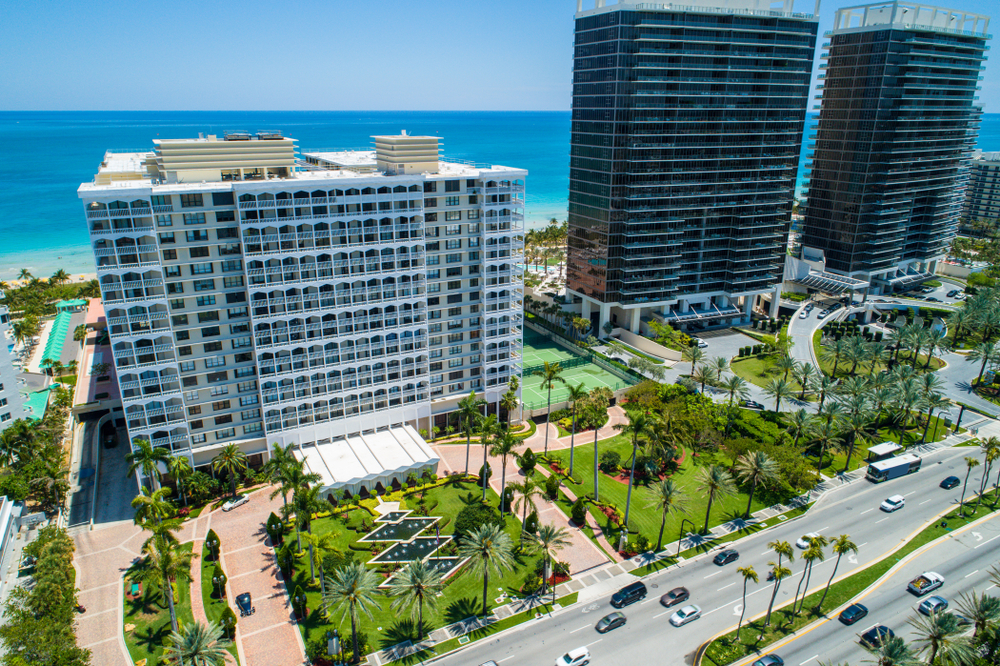
Ultra-luxury branded developments in South Florida are selling faster than unbranded boutique projects, according to agents working in the region’s condo market. This divide has become clear enough that developers without major hospitality brands attached to their buildings are facing slower sales and increased buyer hesitation, even when offering exclusivity, limited unit counts, and desirable locations.
Christopher Austad, a sales associate at Douglas Elliman specializing in new development sales in South Florida, has observed a stark difference in buyer response between branded and non-branded projects. He describes a recent experience with a boutique project in West Palm Beach, Fla. Despite its private, exclusive feel and limited number of units, the lack of a strong location and a recognizable brand led to weak buyer interest. “It just didn’t resonate with buyers,” Austad says.
By contrast, Austad’s current work on a branded ultra-luxury project in a prime location has yielded immediate results. “The more expensive it is, the more they want it,” he says, noting that demand has been strong from the outset.
Why Buyers Choose Branded Projects
Branded projects affiliated with names like Ritz-Carlton, Four Seasons, Mandarin Oriental, or Auberge are outperforming non-branded counterparts because they address a specific need among buyers. In South Florida, many luxury condo buyers are purchasing second or third homes rather than primary residences. These buyers weigh their options as vacation properties and expect a higher level of service and amenities.
Buyers want the assurance that their experience will match the brand’s standards. “When they come here, they expect a certain level of quality of service, feeling like they’re on vacation and getting all the amenities and food options that they want,” Austad explains. A well-known brand ensures service standards, operational consistency, and long-term value.
Austad likens this to other luxury purchases, saying, “People know Rolex. They know Mercedes.” In real estate, hospitality brands serve as shorthand for a certain tier of experience and reliability. For buyers who may only use the condo for a few weeks each year, the brand signals that the property will be managed to a defined standard and maintain its status in the resale market.
Branding Matters Most at Top Prices
Branding’s influence is most pronounced at the highest price points. Austad observes that in the $8 million to $12 million range and higher, branded projects are selling quickly, while unbranded projects at similar or even lower prices are slow to move.
“The ultra-luxury market is doing very well,” Austad says. In the $5 million to $10 million bracket and above, wealthy buyers continue to purchase condos and trophy homes. His current branded project, one of the highest-priced buildings in its market, generated strong demand within its first three weeks. The previous, lower-priced, unbranded project saw minimal activity for over half a year.
This relationship between higher prices and greater demand may seem counterintuitive, but Austad says it matches the mindset of buyers at this level. These clients are not primarily focused on price. They seek differentiation, exclusivity, and the assurance that comes with a globally recognized name.
How Slower Markets Favor Branding
The overall pace of luxury condo sales in South Florida has slowed over the past year, with the exception of branded projects developed by well-known companies. New luxury condo sales have generally decelerated, but demand remains strong for branded projects from reputable developers.
Rising inventory and longer days on market have made clear positioning and recognizable branding more important than ever. Projects without a strong brand are struggling to hold buyer interest, while branded developments continue to attract committed purchasers. Branding has shifted from a marketing advantage to a requirement for competitive success.
For developers planning new projects, the message is straightforward. In a market where buyers have more choices and are taking longer to commit, attaching a major hospitality brand to a development can mean the difference between rapid sales and a slow absorption timeline. The boutique, unbranded approach that succeeded in previous cycles is losing momentum as buyers prioritize the reassurance and cachet of a trusted name.
Demand for branded luxury condos is likely to remain strong as buyers seek properties that combine location, exclusivity, and the proven standards of a global brand. As the South Florida condo market grows more competitive, developers and sellers who can offer these elements will be best positioned to capture buyer attention and maintain strong sales velocity.
Similar Articles
Explore similar articles from Our Team of Experts.