

In Bergen County’s current real estate market, where homes routinely sell above asking price and inventory remains tight, the biggest obstacle to closing deals is not price but property co...

Germany Hotel Investment Market Struggles as Traditional Lease Model Breaks Down

Written by:
Date:
11 Apr 2026
Share via Facebook

Share via Linkedin

Share via X

Copy to clipboard

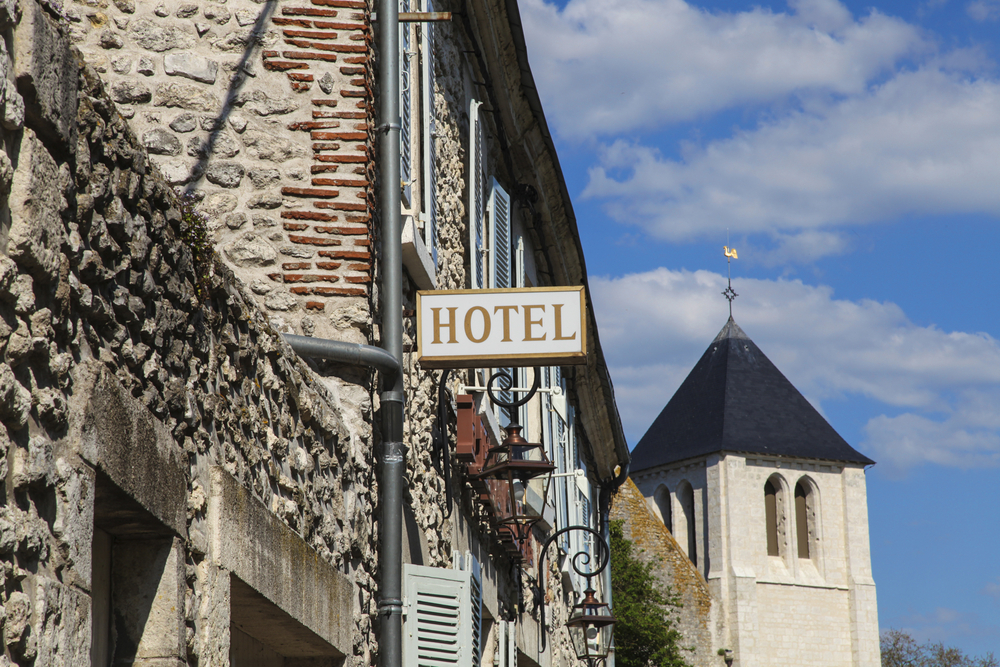
Germany’s hotel investment market remains stalled at about half its pre-pandemic transaction volume, as the country’s traditional lease-based operating model faces mounting financial strain. Thomas Emanuel, Head of Hospitality Thought Leadership, EMEA at Savills, notes that Germany historically matched the UK in annual hotel transaction volume at roughly 5 billion euros. Volumes have since settled at around 2.5 billion euros. The prolonged slump is directly tied to the collapse of the long-term lease structure that has underpinned Germany’s hotel sector for decades.
Why the Lease Model Is Failing
For years, German hotels operated on long-term leases, setting them apart from other major European markets that rely more on management agreements. These fixed leases, signed before the pandemic, are now proving untenable as operators struggle with rising costs and stagnant revenues.
Operators locked into pre-pandemic leases have faced a series of financial shocks. Germany’s minimum wage has risen faster than inflation for several years and energy costs have soared. The country’s broader economy has also underperformed compared to other European nations. A wave of operator insolvencies has followed. “Those that signed leases before the pandemic have had a challenge, and we’ve seen insolvencies as a result of that,” Emanuel says.
Unlike London or Paris, which benefit from a single dominant tourist and business hub, Germany’s hotel market is spread across seven major cities. Each is heavily reliant on domestic corporate travel and trade fairs. That fragmentation leaves German hotels more exposed to economic downturns and slowdowns in business travel. Paired with inflexible lease obligations, operators face shrinking profits and few recovery options.
Management Agreements Gain Ground
The ongoing distress is prompting a shift away from the lease model toward management agreements, a structure more common in international hotel markets. Under management agreements, owners and operators share the risks and rewards of hotel performance. The lease model, by contrast, transfers all operating risk to the operator.
Emanuel believes this change is necessary for the market to recover. Adopting management agreements could make German hotel assets more appealing to international investors, who are familiar with these structures and wary of rigid leases. “It’s time for some sort of creative look at Germany,” Emanuel says, urging owners and operators to work more collaboratively.
This transition would require significant adjustments. Owners would need to accept more direct exposure to a hotel’s financial performance and less predictable income streams. Operators would gain a share of the upside but would need to accept greater owner involvement in operations and capital spending.
Opportunity in Distressed Assets
Despite the challenges, Emanuel sees opportunity for investors willing to navigate the current distress. Distressed assets and motivated sellers could create attractive entry points for buyers with the patience and expertise to manage complex restructurings.
“We think it could be a contrarian call,” Emanuel says, suggesting 2026 and the coming years could see increased transactional activity as assets come to market under distressed conditions.
The investment case rests on Germany’s hotel market recovering toward its historical 5 billion euro transaction volume. With volumes at roughly half that level, significant room for growth exists if structural issues are resolved and the broader economy stabilizes.
Investors must be prepared to handle operator insolvencies and restructure existing leases. They must also implement new operating models in a market that lacks the liquidity and transparency of London or Paris. Success in Germany now demands local expertise and a hands-on approach, rather than simply deploying capital.
Path Forward for Germany
Germany’s hotel market is at a turning point. The traditional lease model has buckled under new economic pressures. The path forward requires structural change and operational flexibility. For investors, the current environment offers potential upside — but only for those prepared to engage deeply with a market in transition. Those willing to take calculated risks could be well positioned to benefit from the next phase of Germany’s hotel investment cycle.
Similar Articles
Explore similar articles from Our Team of Experts.