
A fundamental shift in buyer behavior is disrupting the traditional property ladder progression in Canadian real estate, according to industry veteran Michael Phinney, President and CEO of P...

Hudson County, New Jersey, Real Estate Delivers Steady Gains as Sun Belt Markets Swing Wildly

Written by:
Date:
24 Mar 2026
Share via Facebook

Share via Linkedin

Share via X

Copy to clipboard

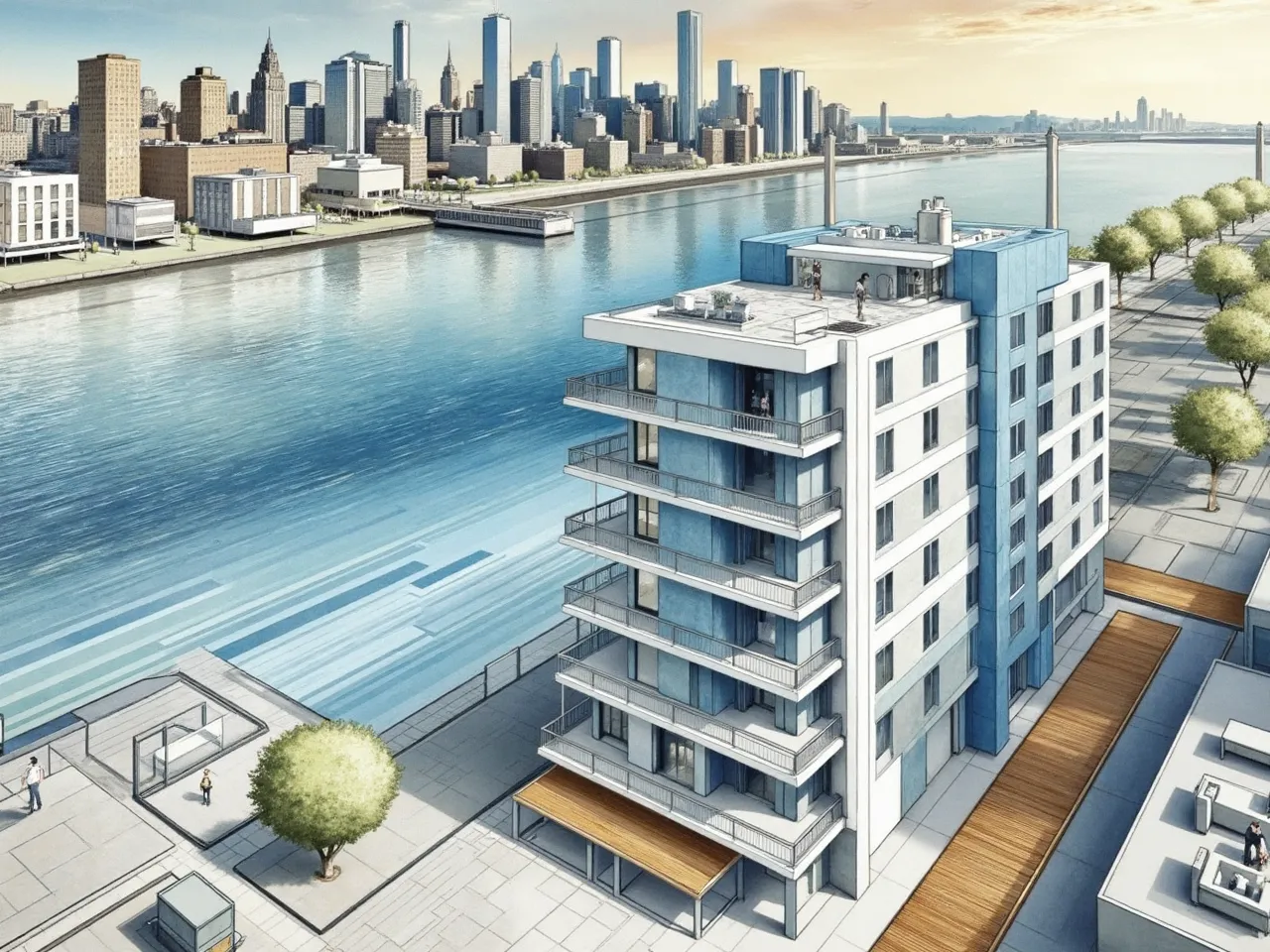
Hudson County’s real estate market offers stability that stands in contrast to the volatility seen in many Sun Belt markets. According to Levi Rezai, broker associate at Prominent Properties Sotheby’s International Realty, the county’s proximity to Manhattan creates an investment environment less exposed to the dramatic price swings common in Florida and Texas.
While Sun Belt regions often see rapid appreciation and sudden downturns, Hudson County, N.J., has delivered consistent 4-5% annual appreciation over decades. Rezai describes the area as “one of the safest areas to invest as far as real estate.” This stability is rooted in direct access to Manhattan, a global employment hub, and established infrastructure — advantages that commodity-dependent areas cannot replicate.
Why Sun Belt Markets Stay Volatile
Rezai highlights how macroeconomic events can sharply affect markets that lack the employment and infrastructure anchors found in Hudson County, N.J. For example, after a hurricane hit Tampa, Fla., home values dropped sharply, with million-dollar properties selling for half their previous price. Texas real estate also swings with the fortunes of the oil industry: when oil prices are high, the market booms; when they fall, so do property values.
These markets can deliver 15 to 30% gains in strong years, but the risk of equally steep losses is always present. Rezai describes these as “roller coaster years,” where investors face significant capital risk during economic downturns or natural disasters.
In contrast, Hudson County’s steady performance comes from its connection to Manhattan’s job market rather than reliance on any single commodity. The New Jersey Gold Coast, the stretch of Hudson River waterfront from the George Washington Bridge south through Hudson County, has maintained its appreciation even as other markets have struggled.
During the 2008 financial crisis, downtown Jersey City set price-per-square-foot records even as the national real estate market collapsed. While Rezai notes this was unusual, the performance highlights the area’s resilience during broader market distress.
What Keeps Hudson County Stable
Real estate markets are shaped by a range of factors, including interest rates, demographics, macroeconomic and microeconomic conditions, and local policies such as tax abatements and developer incentives, Rezai explains. The weight of each factor varies by location.
In Hudson County, several variables combine to create a floor under property values. New Jersey consistently ranks among the top states for K-12 education, attracting families willing to pay a premium for access to schools. The area’s commute advantage also plays a significant role. Homes in Jersey City or Hoboken often cost half as much as comparable properties in Brooklyn, yet offer a faster and more convenient commute into Manhattan.
This price gap creates steady demand from buyers who work in Manhattan but want better value than the city’s five boroughs offer. Manhattan’s employment concentration, which until recently had more billionaires per capita than any city except Dubai, drives sustained demand that commodity-driven markets cannot match.
Jersey City now has more millionaires renting per capita than any other U.S. city, according to a study Rezai cites. This marks a significant change from two decades ago and underscores the wealth accumulation enabled by proximity to Manhattan.
Rising Costs Squeeze Smaller Developers
Hudson County’s stability benefits long-term investors, but rising construction costs and higher interest rates are compressing margins for smaller developers, Rezai notes. “The supply is there, and the demand is there, but the cost of everything has been higher, so the margins are smaller,” he says. Smaller projects, such as the 21-unit Glenwood Avenue development Rezai is currently launching, are especially vulnerable because they lack the economies of scale that help larger developers absorb increased costs.
This environment has led to a standoff between builders and buyers. Developers need to sell at higher prices to maintain margins, but buyers are not always willing or able to pay more. As a result, some smaller developers are delaying projects or leaving the market.
Rezai describes this as a crossroads between the builder and the buyer that is resolved at the price point; if developers cannot achieve the pricing they need, projects stall or are abandoned.
Despite these challenges, Rezai remains confident in Hudson County’s long-term prospects. The area’s record of steady appreciation and its appeal as a lower-cost alternative to Manhattan continue to attract investment. Rezai expects that once seasonal factors lift, the market will see renewed activity.
Spring Market Expected to Rebound
Rezai’s firm, Hudson Gold, is preparing for an active spring market as the weather improves. “In New Jersey, we have two seasons,” Rezai says. “We have construction and summer.” The coming months will test whether demand built up during winter converts to transaction volume, and whether current pricing levels are sustainable.
For investors and developers, Hudson County’s combination of steady appreciation, strong demand from Manhattan commuters, and relative insulation from commodity shocks offers a clear alternative to the high-risk, high-reward cycles seen in the Sun Belt. As national markets continue to experience volatility, Hudson County’s consistent performance may attract even more attention from those seeking long-term security in real estate investment.
Similar Articles
Explore similar articles from Our Team of Experts.