
In 2025, Jacksonville’s industrial leasing market was led by small tenants, with most deals involving spaces under 10,000 square feet. According to John Cole, an Industrial Real Estate Adv...

Banks Won't Lend on Speculation: Why Multifamily and Mixed-Use Projects Are Replacing Single-Family Development in Northern New Jersey

Written by:
Date:
07 Mar 2026
Share via Facebook

Share via Linkedin

Share via X

Copy to clipboard

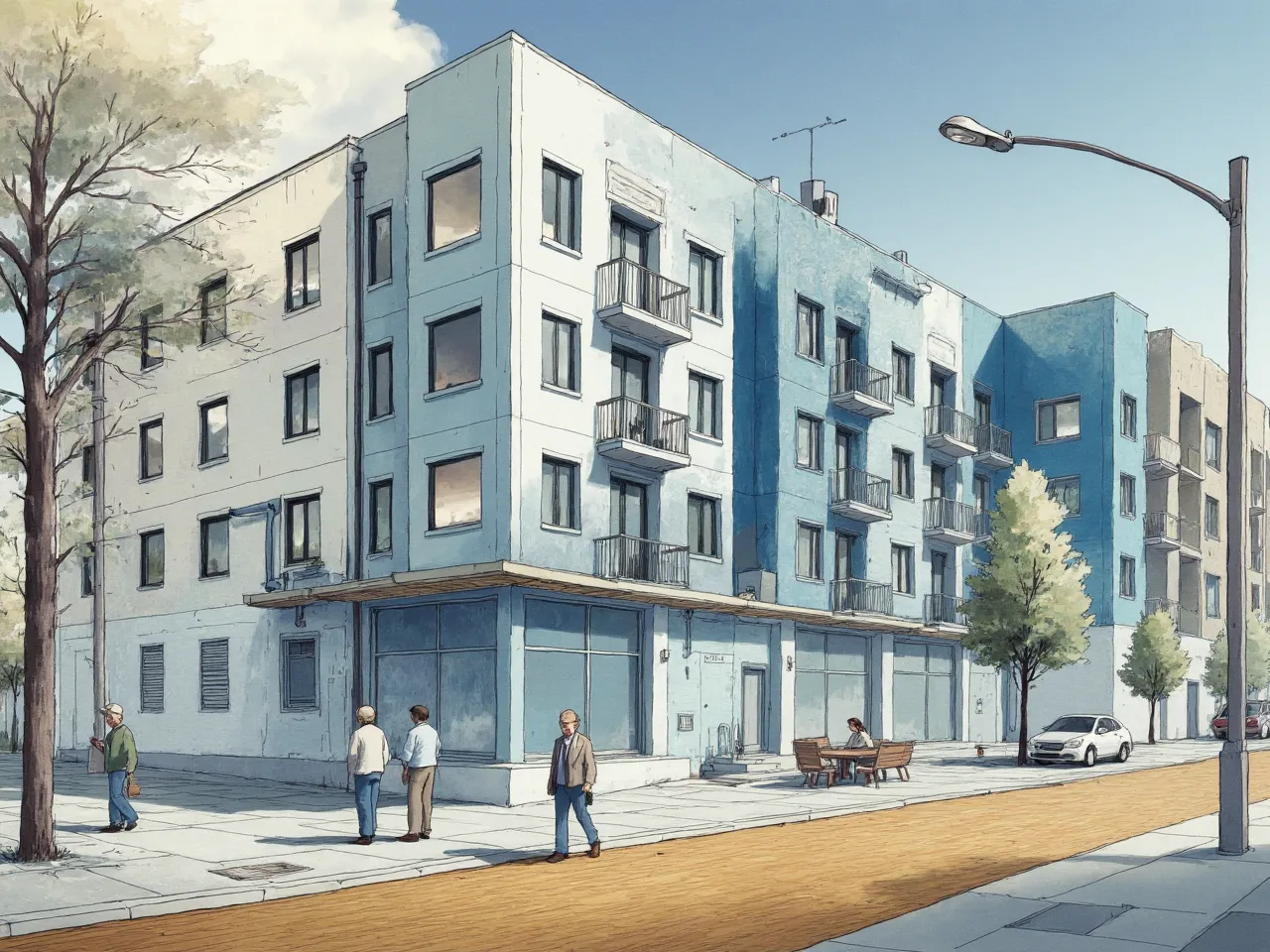
In Northern New Jersey, tighter bank lending standards have steered developers away from speculative single-family homes and toward projects with reliable rental income. According to Robert Abbott, President and Broker of Record at Berkshire Hathaway HomeServices Abbott Realtors, banks in Bergen and Rockland counties are now reluctant to finance projects without a built-in rental income stream, pushing developers toward multifamily apartments and mixed-use buildings.
Why Northern New Jersey Developers Are Walking Away From Single-Family Spec Builds
Traditional speculative building, particularly luxury single-family homes, has become less attractive to both lenders and developers. Abbott explains that banks are far more likely to approve loans for projects that generate steady rental income than for projects that rely on finding a buyer after construction. “There are a lot of banks that won’t lend on speculation, so that restricts what developers can borrow. If they do a development with apartments above retail, banks are more apt to approve it because it has a rental income stream. It’s safer for the bank than lending for a single $3 million home hoping it will sell,” Abbott says.
The preference for rental income has reshaped what gets built across Northern New Jersey. Projects with built-in cash flow, such as apartment complexes or buildings with both retail and residential units, are now the standard, while single-family spec homes have become rare.
Why Apartments Are the Top Investment Choice in Northern New Jersey as Vacancy Rates Stay Low
Apartments have become the top investment category in Northern New Jersey, driven by both financing availability and strong rental demand. Abbott ranks the current investment hierarchy as follows: apartments first, then warehouse space, then small-format retail, with office space trailing well behind.
Low vacancy rates reinforce the investment case for apartments. In Bergen County, apartment vacancies are between 1% and 2%, according to Abbott, and developers are responding with new construction projects throughout the region.
The financing structure of multifamily projects is a key factor for investors. Abbott points to three- and four-family buildings as especially attractive, since they qualify for conforming loans rather than commercial loans. The conforming loan distinction lowers financing costs and makes these properties more accessible to a broader pool of investors. “I like three families or four families because they’re conforming loans, not commercial,” Abbott says. “That extra unit helps with the maintenance on the building.”
Why Small Retail Spaces Are Holding Up in Northern New Jersey While Big-Box Properties Struggle
While big-box retail continues to struggle, smaller retail spaces, typically around 1,500 square feet, are holding up well in Northern New Jersey. Abbott attributes the resilience of smaller retail to shifting consumer habits and the durability of neighborhood-serving businesses. “Small square footage retail, not the big boxes, but the 1,500 square foot units — retail is a good investment,” he explains.
Mixed-use projects that combine small retail units with apartments are particularly appealing to lenders. Mixed-use buildings spread risk by providing multiple income streams, making them easier to finance than single-use properties.
How Financing Restrictions Are Steering Northern New Jersey Developers Toward Rental Properties
Financing restrictions now dictate not just how projects are funded, but which projects get built at all. Banks remain unwilling to approve loans for developments that depend solely on home sales after construction, particularly at the higher price points common in Bergen County.
“There’s a big need for new construction in our area, so that is a home run,” Abbott says.
The move toward rental properties is not driven solely by lender caution. With high rental demand and low vacancy rates across Bergen County, developers see more reliable returns on apartments than on single-family homes that may sit unsold in a slower market.
Bank preferences for stable cash flow have produced a divided lending environment. Projects with rental income receive favorable terms and easier access to capital, while speculative developments face higher costs and more stringent approval requirements.
What Northern New Jersey Investors Should Know Before Choosing a Development Project
Abbott steers investors toward multifamily properties, particularly three- and four-family buildings, and small-format retail. His background in development and construction allows him to navigate zoning, estimate construction costs, and manage municipal approvals, helping investors identify viable projects and avoid common pitfalls.
Smaller multifamily buildings that qualify for conforming loans continue to attract investor interest in Northern New Jersey, as do well-located retail units that serve neighborhood needs. Mixed-use projects remain in demand, given their appeal to both lenders and tenants.
Why Northern New Jersey’s Development Pipeline Will Stay Focused on Rental Properties
The current financing environment is unlikely to loosen in the near term. As long as banks insist on rental income as a condition for lending, developers will continue to prioritize apartments and mixed-use projects over speculative single-family homes. Abbott expects the preference for income-producing properties to persist, with developers who build for rental demand best positioned to secure financing and find buyers.
Developers who can deliver properties with reliable income streams will be better positioned to secure loans, attract tenants, and complete projects in Northern New Jersey’s increasingly competitive real estate market.
Similar Articles
Explore similar articles from Our Team of Experts.